
More Than Riding Lessons: How Horses Help People Heal, Grow, and Connect
Horses have a remarkable way of helping people slow down, build confidence, and find connection. From therapeutic riding to equine-assisted learning, discover how these incredible partners are making a positive impact both in and out of the saddle.

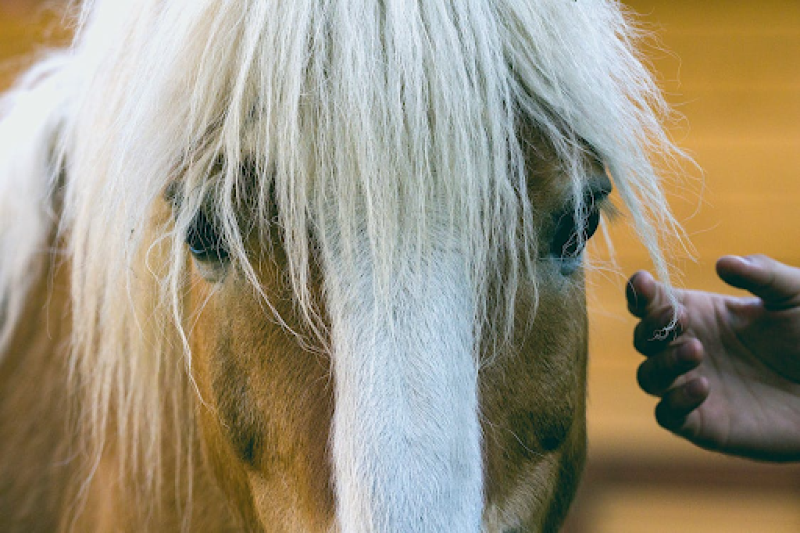
There is something special about watching a tense rider relax the moment a horse lowers its head and quietly walks forward. The barn gets quieter, shoulders soften, and suddenly the outside world does not feel quite so loud.
Horse people see this kind of moment all the time.
Horses are increasingly being used in therapeutic programs that support emotional well-being, confidence, physical strength, communication skills, and personal growth for people of all ages and backgrounds. While these programs can absolutely support people with disabilities, they also help children, veterans, stressed-out adults, anxious teens, and anyone looking for connection and healing through horses.
In this post, you’ll learn:
- The different ways horses are used in therapeutic settings
- Why horses can have such a powerful emotional impact on people
- What families and horse owners should know about equine-assisted programs
Why Horses Make Such Incredible Therapy Partners
Horse people already know horses are deeply sensitive animals. They notice body language, tension, breathing, energy shifts, and emotions often before humans do.
That awareness is part of what makes horses so effective in therapeutic environments.
Horses Encourage Presence and Calm
When you are working around horses, you cannot really multitask your way through it.
You have to slow down, pay attention, and stay present in the moment. For many people, especially those dealing with stress, anxiety, burnout, grief, or emotional overwhelm, that alone can feel therapeutic.
Even simple barn activities like grooming or hand-walking can help people feel calmer and more grounded.
Horses Help Build Confidence
There is something incredibly empowering about guiding a 1,000-pound animal with trust and communication.
Therapeutic riding and groundwork programs often help people:
- Build confidence
- Improve communication skills
- Develop patience and focus
- Practice emotional regulation
- Feel successful in a supportive environment
Honestly, some days getting a horse to politely stand at the mounting block deserves a confidence boost all by itself.
The Different Types of Horse Therapy Programs
Therapeutic Riding
Therapeutic riding uses horseback riding and horsemanship activities to support emotional, physical, social, or developmental goals.
These lessons are often adapted to meet individual needs and comfort levels.
Riders may benefit from:
- Improved balance and coordination
- Greater body awareness
- Confidence-building
- Social interaction
- Stress relief
Equine-Assisted Learning
Equine-assisted learning focuses more on personal growth, communication, teamwork, and emotional skills through horse-related activities.
Many programs involve:
- Grooming
- Leading exercises
- Obstacle courses
- Problem-solving activities
- Horse care routines
In many cases, riders do not even need to get in the saddle to benefit from the experience.
Hippotherapy
Hippotherapy is a therapy approach where licensed physical, occupational, or speech therapists use horse movement as part of treatment sessions.
The horse’s natural movement can help support balance, posture, coordination, and muscle engagement.
Hippotherapy is a medical treatment approach, while therapeutic riding is usually recreational and instructional.
Horses Can Help More People Than You Might Expect
A lot of people assume horse therapy programs are only for children or riders with physical challenges, but the reality is much broader.
Equine-assisted programs may support:
- Children building confidence
- Teens managing stress or anxiety
- Veterans and first responders
- Adults recovering from burnout
- Riders returning after injury
- People processing grief or trauma
- Families looking for connection and community
For many participants, the barn becomes a safe place to breathe, reset, and reconnect with themselves.
The Horse-Human Connection Matters
Horses respond honestly. They do not care about job titles, school grades, social media followers, or whether you had a rough day.
That kind of quiet, judgment-free interaction can feel incredibly meaningful.
Sometimes healing looks like a big breakthrough moment. Sometimes it looks like brushing a horse in total silence for 20 peaceful minutes.
Both count.
What Families and New Horse Owners Should Know
If you are exploring therapeutic riding or equine-assisted programs, finding the right environment matters.
Here is a simple checklist:
- Look for programs with trained instructors and clear safety standards
- Make sure instructors and facilities have proper accreditation. Path Intl. is the industry standard and often mandated by insurance companies. (Therapeutic Horsemanship | Professional Certifications | PATH Intl )
- Visit the facility before signing up
- Ask about horse welfare and lesson structure
- Share any concerns or goals openly with instructors
- Remember that progress can look different for every participant
Therapy Horses Need Support Too
Not every horse is suited for therapeutic work.
Therapy horses are usually chosen because they are patient, calm, adaptable, and comfortable around different environments and equipment. These horses work hard and deserve thoughtful care, downtime, and support as well.
The best programs prioritize both human and horse well-being.
Horse Terms to Know
Groundwork
Groundwork includes horse activities done from the ground rather than while riding. This may include leading, grooming, obstacle exercises, or lunging.
Groundwork is often a big part of therapeutic horse programs.
Side Walker
A side walker is a trained volunteer or assistant who walks beside a rider during lessons to provide support and improve safety when needed.
In Summary
Horses have a unique way of helping people slow down, reconnect, and grow in confidence. Therapeutic riding and equine-assisted programs can support emotional well-being, physical strength, communication, and personal development for all kinds of people, both in and out of the saddle.
For some, these programs provide healing. For others, they provide joy, connection, or simply a peaceful place to breathe for an hour. Every experience looks a little different, and that is part of what makes the horse world so special.
At the heart of it all is the partnership between horse and human.
This article is general information and not a substitute for medical, mental health, or veterinary advice.
Join the Conversation
Have horses helped you or someone in your family through a difficult season, stressful time, or confidence-building journey? We would love to hear your story.
Join the TurnoutHQ community to connect with horse people who understand just how powerful these partnerships can be.