
Mastering Showmanship: Present Your Horse with Precision and Poise
Showmanship is all about teamwork, timing, and presentation. Whether you're stepping into the ring for the first time or polishing your pattern skills, these tips will help you present your horse with confidence, precision, and poise.

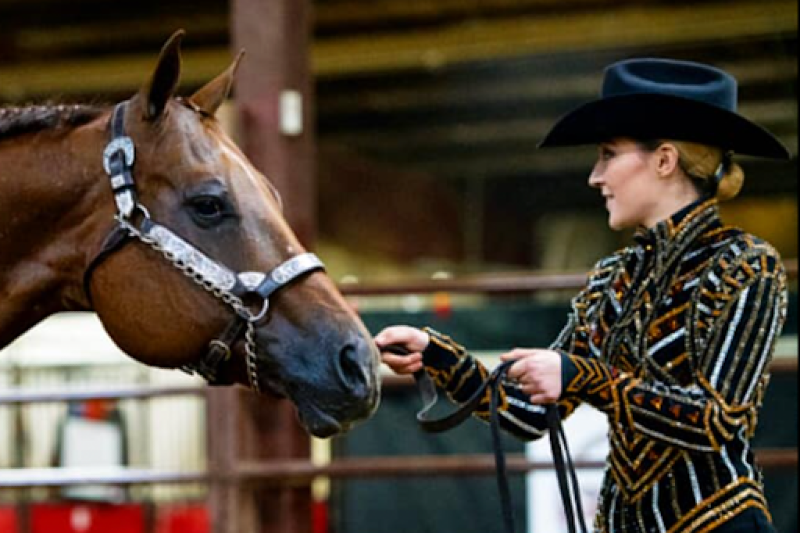
In showmanship classes, you’re not simply riding your horse — you are walking beside him, presenting him. The spotlight is on you and the horse working as a team: your ability to lead, position and present with ease will draw the judge’s attention. Success comes from consistently showing your horse at his best, understanding the pattern and presenting with confidence.
Understanding What the Judge Sees
When you enter the showmanship ring, you must remember that you and your horse are being evaluated on how smoothly you execute the pattern, how well the horse responds to your cues, and how effectively you present him through his transitions, turns, pivots and stops. The judge is also evaluating your overall equitation and how you use the space. According to AQHA, best practices include keeping sessions short and successful in training so your horse remains sharp and engaged in the show pen.
As you train and prepare, always remember that consistency, rhythm, responsiveness and the subtle exchange of cues between you and your horse are what stand out.
Preparation Before You Enter the Ring
Before you even step up to the start cone, there are critical preparation steps that set the tone. Grooming your horse meticulously is a given; a clean, well-fitted halter or show lead, brushed mane and tail, tidy coat and clean tack all create the impression of readiness. But beyond that, your warm-up must include the same basic movements you’ll perform in the pattern: walk-throughs, jogs, backs, pivots and squared setups.
And as you practice, remember what AQHA recommends: keep practice sessions short enough to maintain success rather than fatigued error.
Executing the Pattern with Precision
Once the class begins, the pattern you walk will contain specific maneuvers, showmanship demands your ability to execute with fluidity and correct form. You lead your horse into the pattern, maintain position beside him, move him at the prescribed gait (walk or jog), turn, back, pivot and then set up for inspection.One very useful tool is the “quarter method” of positioning. This method has you standing out of the judge’s line of view while still controlling your horse’s presentation.
When leading, keep your shoulders aligned, maintain smooth tempo and communicate with your horse. A steady jog, precise stop and fluid pivot all show how you and your horse are in sync. During the backing portion, for example, avoid stepping in front of the horse. Maintain your position beside the shoulder and ask with subtle, controlled pressure. A crooked back or hesitation will draw the judge’s eye.
When you reach the setup, this is your chance to shine. A well-set horse will square his feet cleanly, stand quietly, and display good attitude. You should stand by his side, maintain proper body position, keep your arm relaxed and your lead shank handled neatly. The judge sees your readiness here and how you present the horse under pressure.
The Handler’s Role: Clarity, Fluidity and Confidence
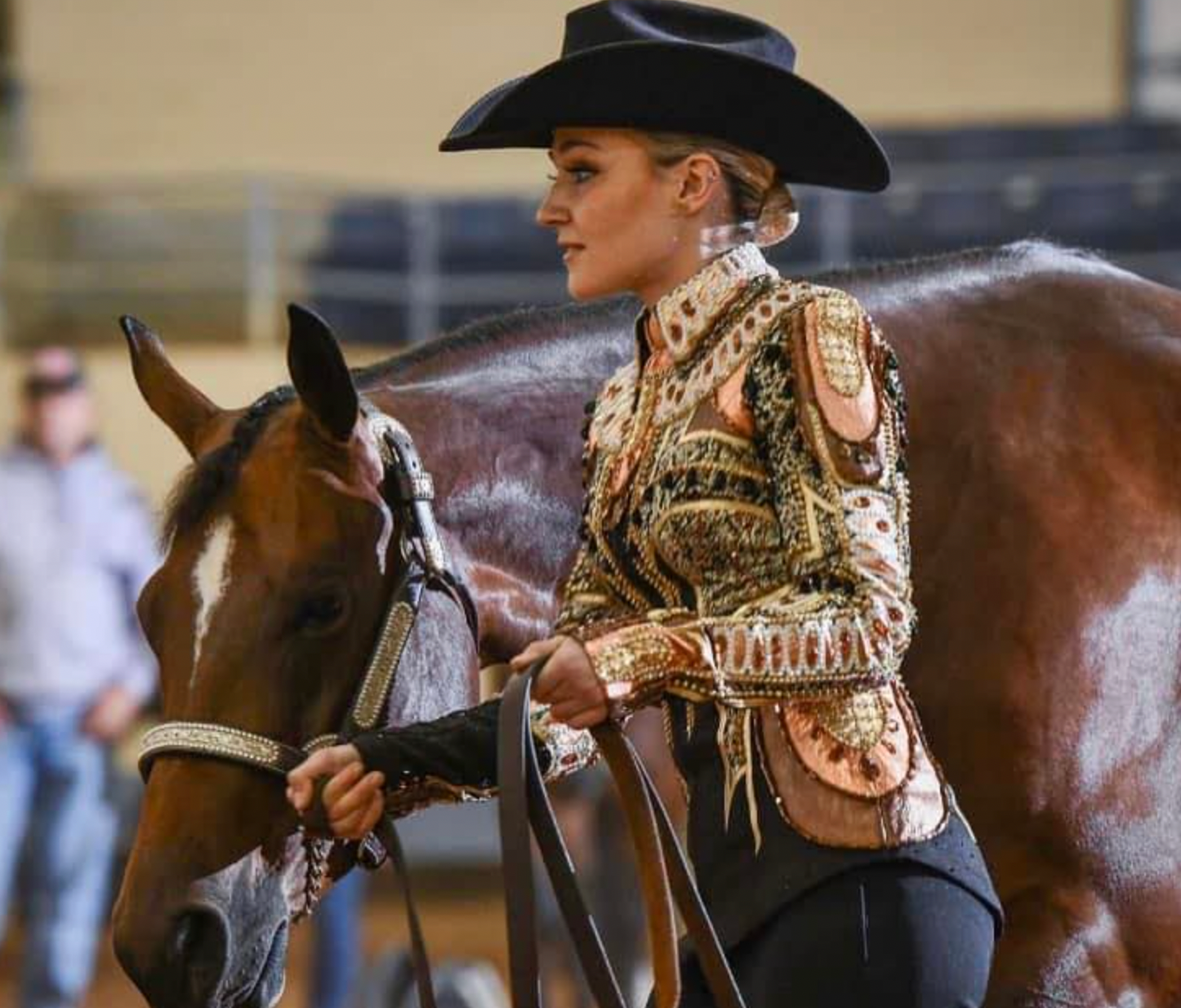
Your role isn’t passive. You are an active partner in the show ring. Your body language, your position, your control and your awareness all contribute. Judges look for exhibitors who not only know the pattern but seem to anticipate their horse’s moves and guide them with finesse. What sets the winners apart is often the handler’s connection with the horse, not just the flashy bling.
While you should not force the horse, you must assume a leadership mentality, not domineering, but clear. Your signals should be consistent in timing and pressure. You attain quiet control so your horse responds before you ask. Your movements should be smooth and your transitions seamless. If you make a mistake, keep going. It is better to finish strong rather than give up.
Common Maneuvers and How to Nail Them
Walking and JoggingBegin with the walk: lead with confident strides, maintain alignment with your horse’s shoulder at your side, and manage position so his nose is slightly ahead of your body. As you transition into jog, timing is key. A clean jog with a balanced stride is the goal. The rhythm must not be rushed or choppy.
Backing This maneuver often separates the seasoned from the novice exhibitor. Maintain position beside the shoulder; step toward the horse’s space to initiate a back. Use minimal pressure on the lead shank; allow the horse to step back from your position. Never stand in front of the horse when backing, that’s both unsafe and a major fault. If the line is crooked, continue to back and correct the line rather than stopping and restarting.
Pivots and Turns When asked to pivot on the hindquarters or execute a turn of the horse toward you, proper foot anchoring and body position are essential. Keep your own body steady and your hand position light. After the pivot, show him squared, balanced and ready before moving on to the next maneuver.
Setup Once you have completed the pattern moves, you must “set up” your horse for inspection. That means you must get his feet square, his head in a natural position, and his body aligned. Your hands should be composed, your lead well handled, and you should stand poised. This is where the judge will inspect you both up close. A messy setup undermines the best maneuvers you just performed.
Mistakes to Avoid
Errors can cost you more than 3-point deductions; they can distract and overshadow the rest of your performance. Don’t allow your horse to drag your lead, ride your hip, or become disconnected from your cues. Avoid rushing transitions, standing unbalanced, or dropping your arm. When your horse shifts his feet before you are ready, reset mentally and finish confident. The judge remembers how you looked at the end.
Bringing It Together: Your Complete Performance
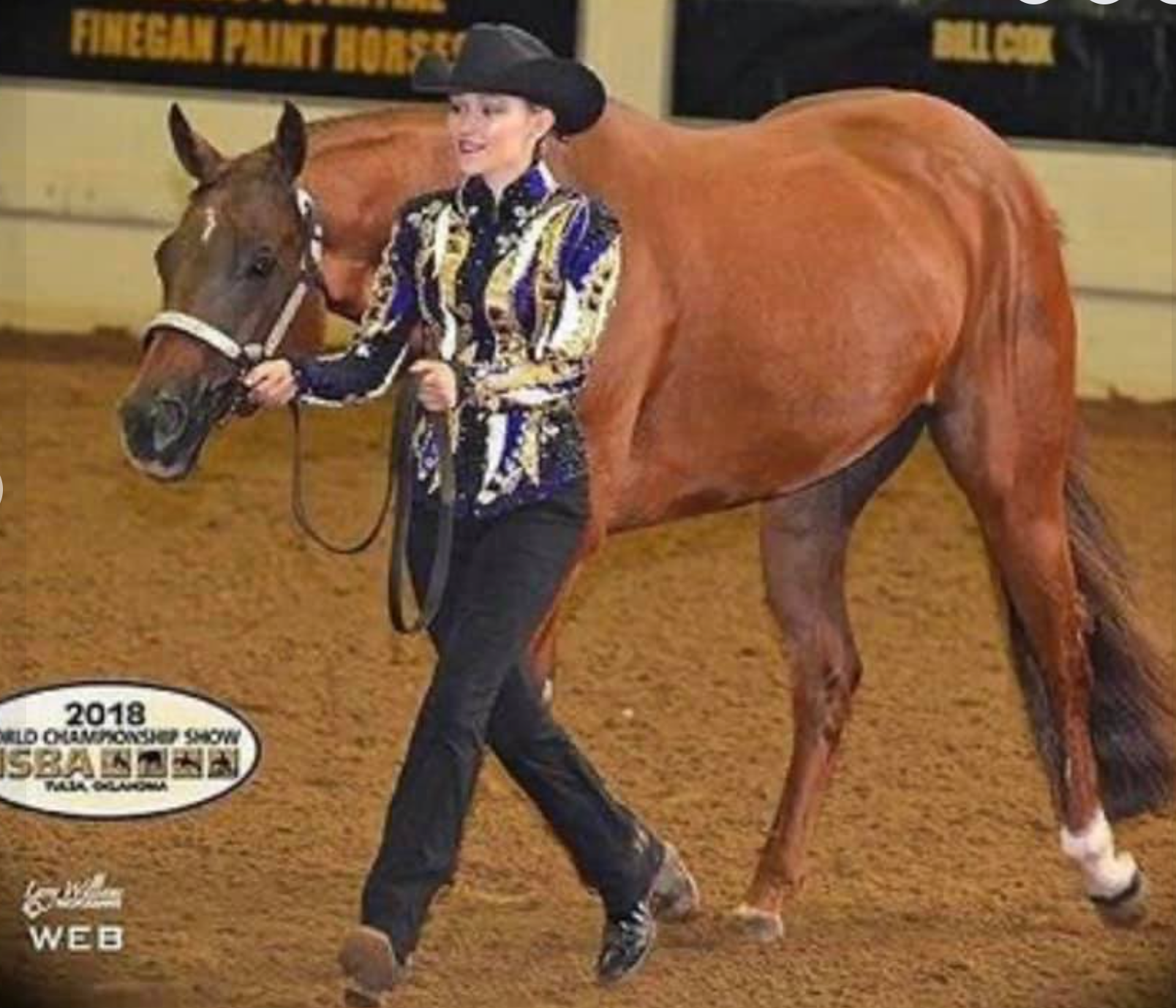
In the showmanship ring you present a story: you walk in, your horse responds, you transition, you perform pivots or backs, your horse stands squared, you finish ready. Each section builds on the last. Consistency in your presentation matters as much as your individual maneuvers. You must control your pace, your space and your horse’s channel of cues.
From the very moment you step in the ring to the moment you leave, your attitude counts. Stay focused, keep your composure and present your horse confidently. If you make a small error, don’t let it unravel you. Keep your head up and your body in control. The judge will note how you responded rather than just the error itself. By combining well-practiced maneuvers, a strong handler-horse connection, clean presentation and poise under pressure you present yourself as a winner. The goal is to appear effortless. Judges like to see the horse move in sync with the handler without extensive effort. That harmony is what judges reward.
Final Thoughts
Showmanship is as much about you as it is your horse. A great performance doesn’t rely only on flash; it relies on consistency, clarity and polish. Your horse needs to trust your cues and respond readily. You need to be in the moment, anticipate his movement and guide him smoothly. From grooming before you walk to the ring, to the final stop, you control the narrative.
When you step into that arena next time, remember: you’re showing the horse you have at his very best. Your job is to let him shine and make your presentation mirror his quality. With preparation, focus and steady execution you’ll give your judge exactly what they’re looking for.
On TurnoutHQ, you can share your Showmanship journey. From finding trusted resources to connecting with others who understand the effort behind every polished performance, THQ is here to keep that energy alive.
Because showmanship, at its heart, isn’t just about impressing a judge; it’s about showing up for your horse, your craft, and your community. And that’s exactly what TurnoutHQ is all about.
Sources
https://www.aqha.com/-/horse-showing-showmanship-best-practices