
Finding the Right Riding Instructor: Questions to Ask
The right riding instructor can build confidence, improve skills, and make every ride safer and more enjoyable. Before you commit to a program, here are the key questions to ask and what to look for in a trainer who fits your goals.

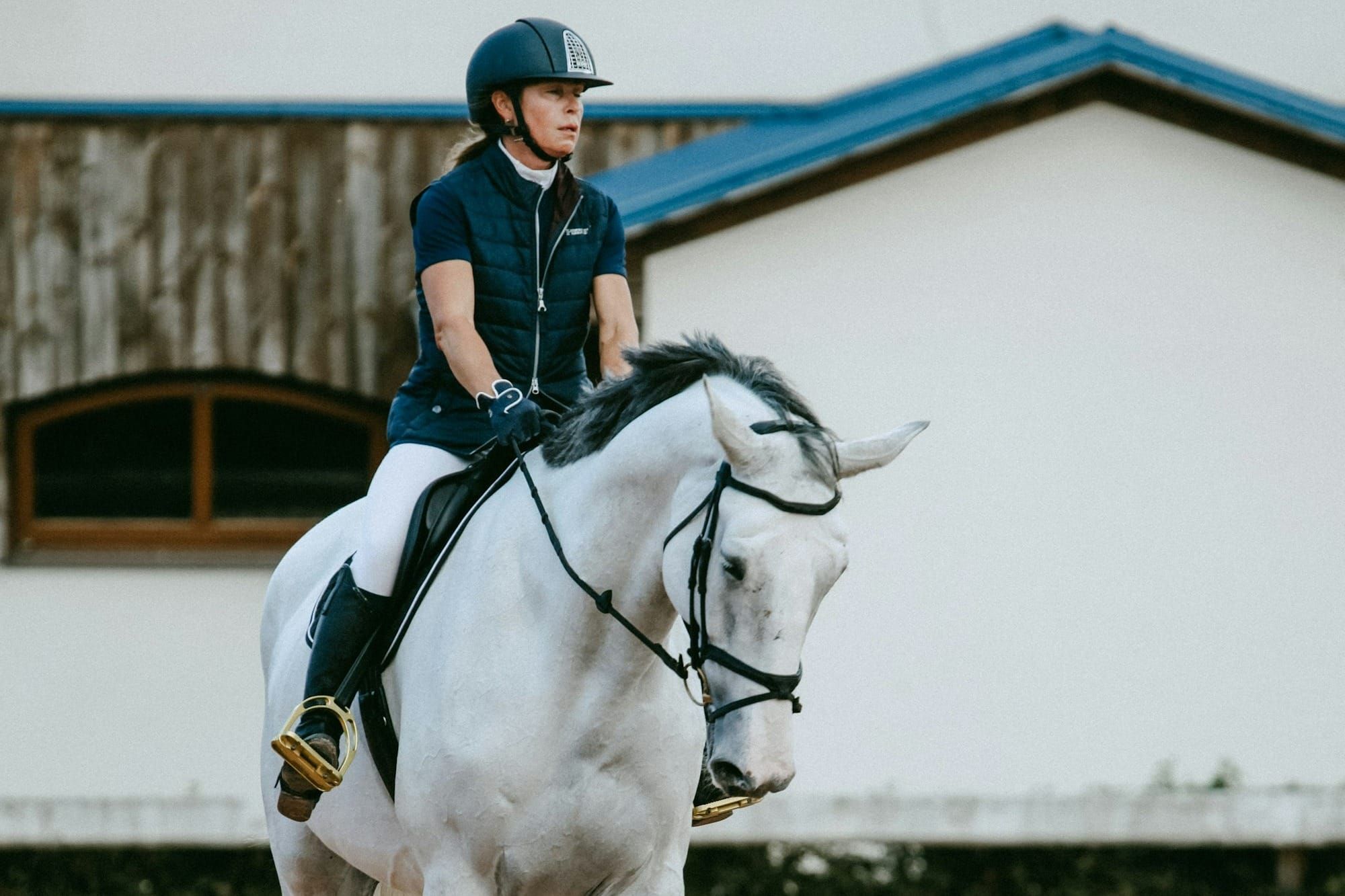
Whether you’re just beginning your equestrian journey or striving to reach the next level of performance, one truth remains constant: no rider succeeds alone. Behind every great partnership between horse and rider is a trusted instructor who fosters confidence and keeps both horse and rider safe.
Choosing that instructor is one of the most important decisions you can make in your riding life. From safety and skill development to long-term enjoyment of the sport, the right teacher can make all the difference.
Why the Right Instructor Matters
Horses are living, breathing partners, and instruction in this sport carries unique responsibilities. A great riding instructor does more than point out body positions or correct mistakes. They help riders understand why an exercise works, how to communicate effectively with their horse, and how to become safer, more confident, and more self-aware in and out of the saddle.
The right instructor manages more than just lessons: they help structure your training time, support your goals whether they involve competition or pleasure riding, and nurture your growth so that you and your horse can enjoy the sport for years to come.
Start With Self-Reflection: What Do You Need?
Before you set out to find an instructor, it’s essential to understand what you want from riding instruction. This isn’t just about finding someone with accolades on the show circuit. It's also about finding someone who matches your personality, learning style, goals, and communication preferences.
Ask yourself questions like:
- What are your goals; competition, horsemanship, confidence, or fun?
- Are you willing to travel long distances for the right trainer?
- How important is the instructor’s experience and teaching philosophy?
- How much emphasis do they place on horse care and management?
Working through questions like these helps clarify your priorities and ensures you choose someone aligned with your expectations.
Where to Look for Instructors
Finding instructors can be as simple as asking for recommendations at your local barn, tack shop, or horse community. But you can also seek certified professionals through respected organizations such as the Certified Horsemanship Association (CHA) or the AQHA Professional Horsemen directory, both of which list instructors who meet industry standards and ethical guidelines.
Certification isn’t the only marker of quality, but it is a reliable indicator that an instructor has met minimum standards of training, safety awareness, and teaching competency.
Watch, Observe, and Ask Questions
Once you have a list of potential instructors, it’s time to do your homework:
Visit in Person and Observe Lessons
Spend time watching lessons before you commit. Observe how the instructor communicates with students. Do riders seem comfortable and focused? Are the horses calm and well-treated? Do students understand what’s expected of them? These are real-world indicators of teaching quality and barn culture.
Take Notes on Facilities and Safety
A good instructor operates within a stable environment. Clean arenas, well-kept horses, organized equipment, and attention to safety protocols matter every day, not just in competition.
Prepare Your Own Questions
Come prepared with thoughtful questions to ask potential instructors.
Here are a few to point you in the right direction:
- What are their lesson formats (private, semi-private, group)?
- Do they provide a structured progress plan for riders?
- How do they approach safety, especially for nervous or beginner riders?
- What is their cancellation and payment policy?
Asking about teaching methods, expectations, and student goals gives you valuable insight into how you’ll fit into their program.
The Importance of Communication
Equestrian instruction is inherently personal. You are placing yourself, and your safety, in someone else’s hands. That makes communication and trust critical.
A good instructor explains concepts clearly, answers questions patiently, and adapts their approach to your learning style. If you feel confused or anxious after a lesson rather than being encouraged and clear-headed, that’s a signal the teaching style may not be right for you.
Compatibility also goes beyond riding. Respect, encouragement, and mutual trust form the foundation of a long-term rider-instructor relationship. Find one that helps you improve while preserving your enthusiasm for the sport.
Take a Couple Lessons
One of the most useful steps in choosing an instructor is scheduling a few lessons with multiple trainers. Even with great reviews and a strong reputation, an instructor’s teaching style might not suit every rider, and that’s okay.
During trial lessons observe:
- How clearly instructions are given.
- Whether the instructor explains why they want a correction made.
- If you feel challenged but safe.
- How they adjust their guidance based on your reactions and questions.
A good instructor should leave you motivated; ready to work, but with a sense of progress and understanding.
Trust, Safety, and the Long Game
Above all else, trust and safety should drive your decision. Instructors influence not just your riding performance but your mindset, habits, and long-term experience with horses. An instructor’s methods should prioritize rider confidence, horse welfare, and responsible training practices.
When you find someone who meets these criteria and supports you through challenges you’ve found more than just a teacher. You’ve found a partner in your equestrian journey.
Remember: the right riding instructor doesn’t just make you a better rider, they help you become a more thoughtful, confident, and connected horseperson.
That’s where TurnoutHQ fits into the picture. THQ was built to connect riders with trusted trainers, educators, and equine professionals while creating a space for meaningful conversations. From discovering instructors and educational resources to engaging with communities that align with your goals, THQ helps riders take a more informed.
Because finding the right instructor isn’t just about asking the right questions, it’s about having access to the right people, tools, and support.
Sources
https://www.theplaidhorse.com/2025/11/04/15-questions-to-help-you-find-the-right-riding-instructor/
https://www.aqha.com/-/finding-a-riding-instructor?utm_source=chatgpt.com