
From Smart Saddles to AI Ride Reviews: Equestrian Tech Worth Knowing About
From smart saddles and wearable trackers to AI ride analysis and connected barns, equestrian technology is changing the way we ride, train, and care for our horses. Here's a look at the horse tech riders are talking about right now.

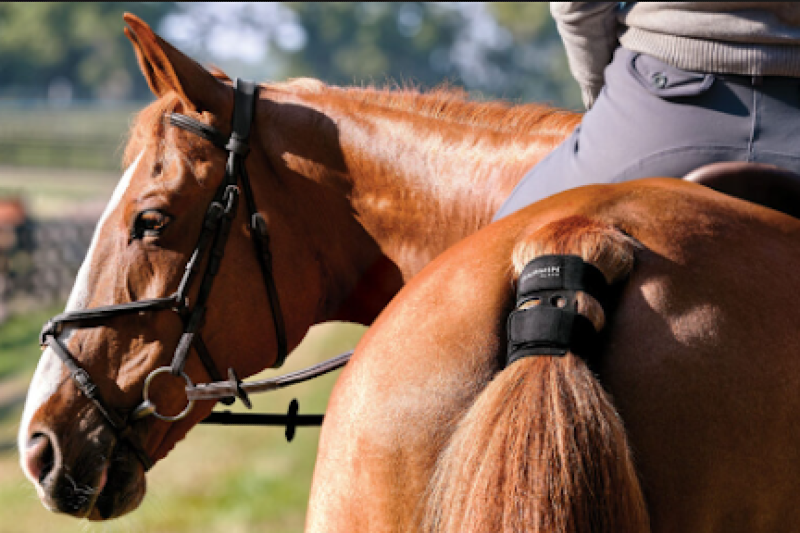
Ever glance around the barn and realize someone’s horse is wearing a fitness tracker, another rider is reviewing slow-motion canter footage on their phone, and somebody just mentioned an app that checks stall temperatures from home?
The horse world is getting more connected, and honestly, some of the new technology is pretty fascinating.
Equestrian technology includes smart tools, wearable devices, apps, and digital systems designed to support horse health, rider performance, training, and barn management. Some are high-tech, some are surprisingly practical, and many are becoming more common in everyday riding life.
The New Barn Toolbox: Why Horse Tech Is Everywhere
Horse tech is no longer limited to giant training barns or professional riders. More tools are becoming affordable, portable, and beginner-friendly, which means everyday horse owners are getting curious too.
A lot of these tools focus on 3 big areas:
- Horse wellness and recovery
- Rider improvement and confidence
- Barn convenience and safety
And let’s be honest, if technology can help you avoid one unnecessary “Is my horse okay?” panic spiral at 10 p.m., many riders are willing to give it a shot.
AI Video Analysis Is Becoming More Common
One of the fastest-growing trends is AI video analysis, software that reviews riding footage and gives feedback on position, balance, rhythm, and movement patterns.
Some apps can:
- Track your riding symmetry
- Highlight posture issues
- Compare rides over time
- Create slow-motion playback for jumping or flatwork
It is basically like having a second set of eyes in the arena, minus the pressure of someone watching you miss your diagonal.
Wearable Devices for Horses Are Expanding Fast
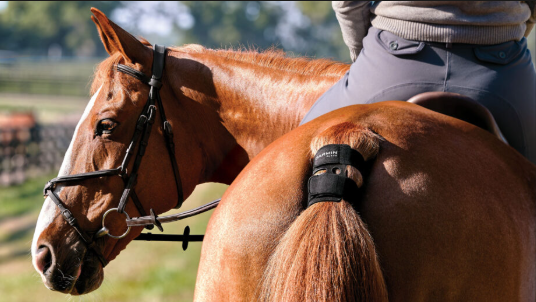
Horse wearables are becoming much more advanced than simple GPS trackers.
New devices can monitor:
- Heart rate during rides
- Recovery after exercise
- Sleep and resting patterns
- Daily movement in turnout
- Changes that could signal discomfort or soreness
Some systems even send alerts if a horse’s behavior changes noticeably.
Good to know: These tools can support early observation, but they do not replace your vet or farrier.
Cool Tech Riders Are Talking About Right Now
Therapeutic Technology for Recovery and Comfort
Therapeutic technology includes devices designed to support circulation, muscle recovery, and comfort after work.
Popular examples include:
- PEMF therapy systems
- Red-light therapy blankets
- Compression boots
- Cold therapy wraps
- Massage pads
Many riders use these tools after training sessions, long trailer rides, or competitions.
Virtual Riding Practice and Simulators
Yes, horse riding simulators are very much a thing now.
Some training centers and universities use mechanical horses or virtual riding systems to help riders improve balance, coordination, and position without being in the saddle of a live horse.
Virtual lesson platforms are also growing quickly, especially for riders who:
- Want feedback between lessons
- Ride in remote areas
- Are returning to riding after time away
Smart Barn Systems
Barn technology is getting smarter too.
Modern systems can now monitor:
- Stall temperatures
- Air quality and ventilation
- Automatic water usage
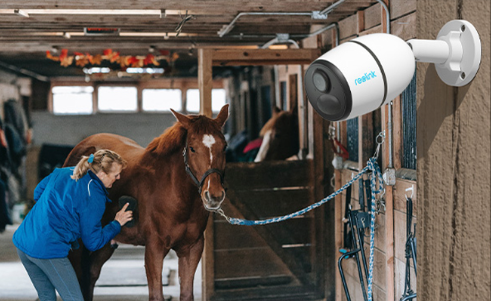
- Security cameras
- Feeding schedules
Some barns even use app-connected systems that notify owners if water buckets are low or temperatures rise too high during hot weather.
Rider Air Vests and Smart Safety Gear
Safety equipment has also gotten a serious upgrade in recent years.
Modern air vests inflate during a fall to help protect a rider’s torso, spine, and internal organs. Many riders in eventing, jumping, and even trail riding are starting to use them regularly.
Some newer helmets and safety devices also include:
- Fall detection alerts
- GPS ride tracking
- Emergency contact notifications
- Bluetooth communication
For riders returning after time away, this technology can add a little extra confidence in the saddle.
Thermal Imaging for Horse Health
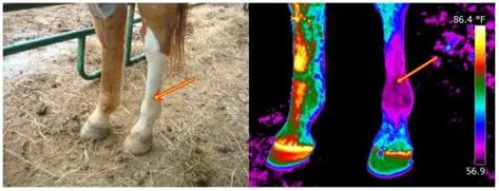
Another growing trend is thermal imaging, which uses heat-detecting cameras to spot temperature changes in a horse’s body.
Riders and professionals sometimes use thermal imaging to:
- Monitor areas of inflammation
- Check saddle fit pressure points
- Observe recovery after exercise
- Watch for uneven heat patterns in legs or hooves
It is not a replacement for veterinary diagnostics, but it can provide another useful layer of information.
Horse Terms You Might Hear Along the Way
Digital Pulse
A digital pulse is the pulse found near the horse’s fetlock or pastern. A stronger-than-normal pulse can sometimes indicate inflammation in the hoof.
Some wearable devices now monitor changes in movement and circulation patterns that may encourage riders to check things like digital pulse sooner.
Biometric Tracking
Biometric tracking means collecting body-related data like heart rate, recovery time, or movement patterns through wearable devices or sensors.
You will see this term often with horse fitness trackers and rider performance apps.
What Riders Love Most About These Tools
The biggest appeal is not replacing horsemanship. It is having more information and support between lessons, vet visits, and barn checks.
Riders often enjoy:
- Feeling more organized
- Tracking progress over time
- Catching small changes earlier
- Reviewing rides objectively
- Staying connected to their horse when away from the barn
And honestly, many horse people simply enjoy seeing how innovation is finding its way into a very old-school world.
In Summary
Equestrian technology is growing quickly, and some of the newest tools are genuinely useful for riders of all experience levels. From AI ride analysis to wearable horse trackers and smart barn systems, there are more ways than ever to support your horse and your riding goals.
For new owners and returning riders, these tools can make learning feel more approachable and connected. The best technology is not about replacing experience or instinct. It is about adding another helpful tool to your tack trunk.
And if nothing else, it definitely gives horse people one more thing to talk about in the barn aisle.
This article is general information and not a substitute for veterinary advice.
Join the Conversation
Have you tried any horse tech lately? Maybe your barn has smart stall systems, or maybe your horse has strong opinions about wearable gadgets.
Come swap stories, favorite tools, and curious questions with fellow riders in the TurnoutHQ community. We’d love to hear what technology has made your horse life easier, more fun, or just plain interesting.