
Working Smarter With Ground Poles and Cavaletti to Build Strength and Coordination
Getting back in the saddle and looking for a simple way to improve your horse’s balance and confidence? Ground poles and cavaletti may look basic, but they can make a big difference. Learn how these exercises build rhythm, strength, and coordination for horses and riders alike.

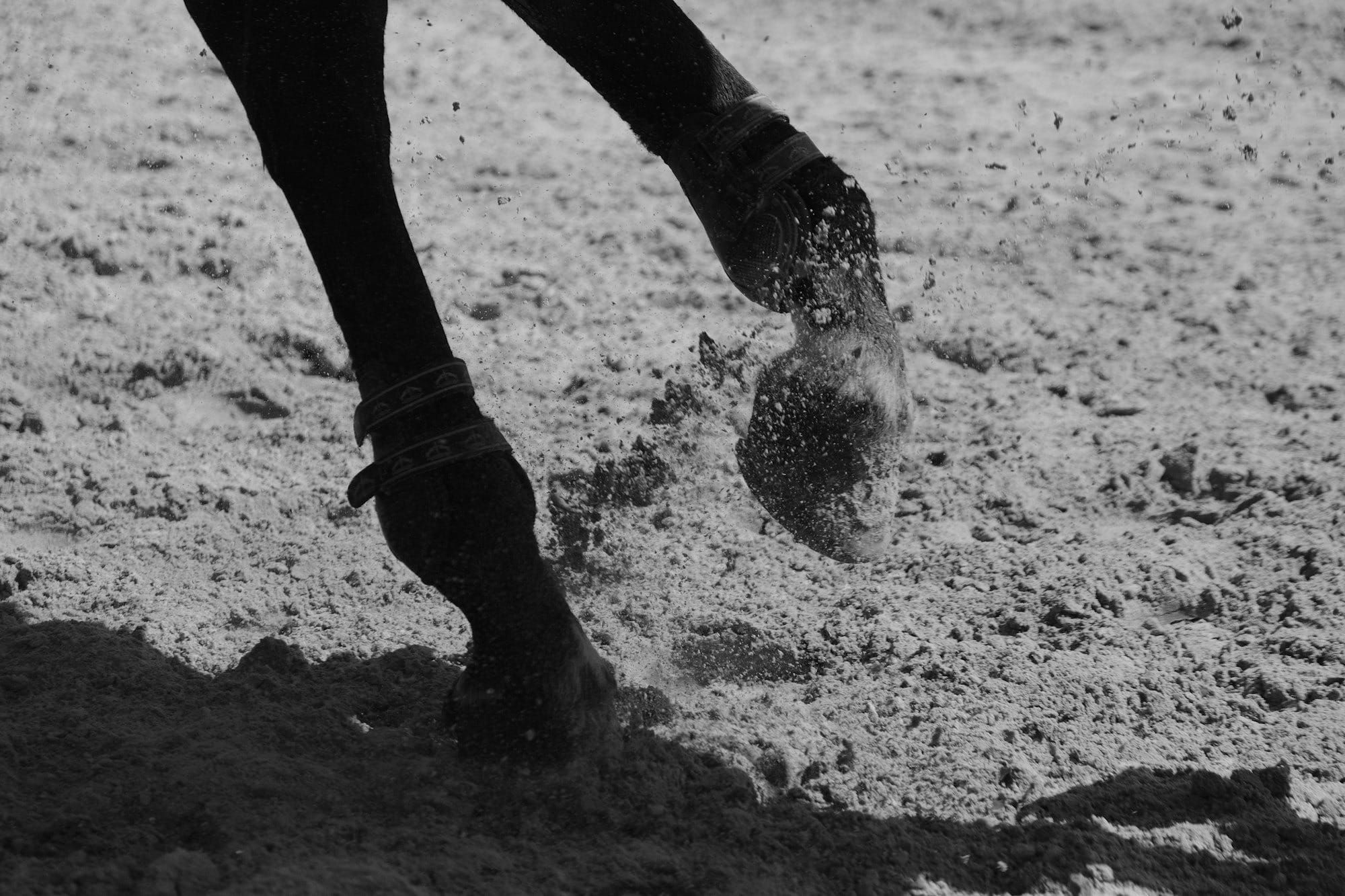
Why Pole Work Deserves a Spot in Your Ride
Ever set out a few poles in the arena, only to watch your horse suddenly act like they are crossing a field of lava? You are not alone. Ground poles and cavaletti can look simple, but they ask your horse to slow down, think, and use their body in a whole new way.
In plain language, ground poles and cavaletti are training tools that help horses improve movement, rhythm, and body awareness through carefully spaced exercises. Whether you are getting back in the saddle after time away or rebuilding confidence with your horse, these exercises are a friendly place to start.
In this guide, you will learn how pole work improves your horse’s balance and strength, how to safely introduce exercises step-by-step, and which common mistakes to avoid. Let’s break it down.
Key Takeaways
- Ground poles and cavaletti help improve your horse’s balance, strength, and coordination.
- Simple exercises can help both horse and rider rebuild confidence and consistency.
- Correct spacing and slow progression matter more than fancy setups.
- Pole work encourages better engagement from your horse’s hind end.
- Short, thoughtful sessions are often more effective than long workouts.
Why Horses Benefit From Pole Work
Ground poles are poles placed flat on the ground, while cavaletti are slightly raised poles designed to encourage more deliberate movement. Both are useful for horses of all disciplines, from trail mounts to dressage partners.
The magic happens because poles encourage your horse to pay attention to where their feet are landing. That extra focus builds body awareness and improves movement quality over time.
Good pole work supports balance, coordination, strength, and engagement all at once. Pretty efficient for a few poles and some patience.
Ground poles are also wonderfully adaptable. You can walk through them with a green horse, trot them with a returning rider, or build raised exercises later as fitness improves.
Start Small and Steady
If your horse rushes, trips, or drifts sideways through poles, that is usually a sign they need simpler exercises and slower pacing. Good to know: slower is often harder for horses because it requires more balance and control.
Walking poles are an excellent starting point for returning riders. They give you time to focus on your position and rhythm without feeling rushed.
Spacing Matters
Pole spacing changes depending on your horse’s stride and gait. As a general starting point:
- Walk poles: about 2.5–3 feet apart
- Trot poles: about 4–4.5 feet apart
You may need to adjust slightly for ponies, big warmbloods, or horses with shorter strides. Watch your horse’s movement and make changes gradually.
If you are unsure about spacing, ask your trainer for guidance or use TurnoutAI to quickly look up common pole setup recommendations.
Getting Started With Ground Poles and Cavaletti
Here is a simple step-by-step plan for introducing pole work safely and confidently.
Start With a Simple Line
Place 3–4 poles in a straight line on level ground. Keep things uncomplicated at first. Your horse does not need a gymnastics course on day one.
Walk Before You Trot
Ride through the poles at a relaxed walk several times before increasing speed. Let your horse look, sniff, and think. Curiosity is part of learning.
Focus on Rhythm
Try to maintain an even pace before, during, and after the poles. Avoid chasing your horse forward or pulling them back suddenly.
A steady rhythm helps improve balance and coordination more effectively than speed.
Add Raised Cavaletti Gradually
Once your horse feels confident with flat poles, raise one end slightly using cavaletti blocks or safe supports. Even a few inches can increase muscle engagement and strengthen the topline.
Keep sessions short, especially if your horse is coming back into work.
End on a Good Note
If your horse calmly trots through one clean pass, celebrate that win and call it a day. Pole work can be physically and mentally tiring, especially in the beginning.
You’ve got this.
Common Mistakes and Quick Tips
Here is a simple checklist to help your sessions stay productive and safe:
- Do not overdo raised poles too soon
- Keep poles evenly spaced
- Avoid drilling the same exercise repeatedly
- Ride with soft hands and steady leg support
- Look ahead, not down at the poles
- Use protective boots if your horse tends to clip poles
- Stop if your horse seems sore or unusually fatigued
- Ask your vet or farrier if you are unsure about soundness concerns
One common mistake returning riders make is trying to “fix” every imperfect stride. Pole work is supposed to help your horse learn through repetition and balance, not tension.
A little wobble now and then is perfectly normal.
In Summary
Ground poles and cavaletti are simple tools with big benefits. They help your horse improve balance, coordination, strength, and engagement while giving you a structured way to rebuild confidence in the saddle.
The key is to start small, stay patient, and focus on quality over quantity. Even a few poles can encourage better movement and stronger muscles when used thoughtfully.
Whether you ride dressage, trail, hunter-jumper, or simply enjoy peaceful arena rides, pole work can fit into your routine in a practical and approachable way.
This article is general information and not a substitute for veterinary advice.
Join the Conversation
Have a favorite cavaletti setup that your horse loves? Or maybe you discovered that your “brave” horse is suddenly suspicious of striped poles. We want to hear about it.
Join the TurnoutHQ community to swap tips, ask questions, and connect with fellow riders who are learning right alongside you.