
Finding Your Confidence Again: Getting Back in the Saddle After an Injury
Getting back in the saddle after an injury can feel equal parts exciting and intimidating. Whether you're rebuilding confidence or finding your rhythm again, these tips can help make your return to riding feel safer, steadier, and more manageable.

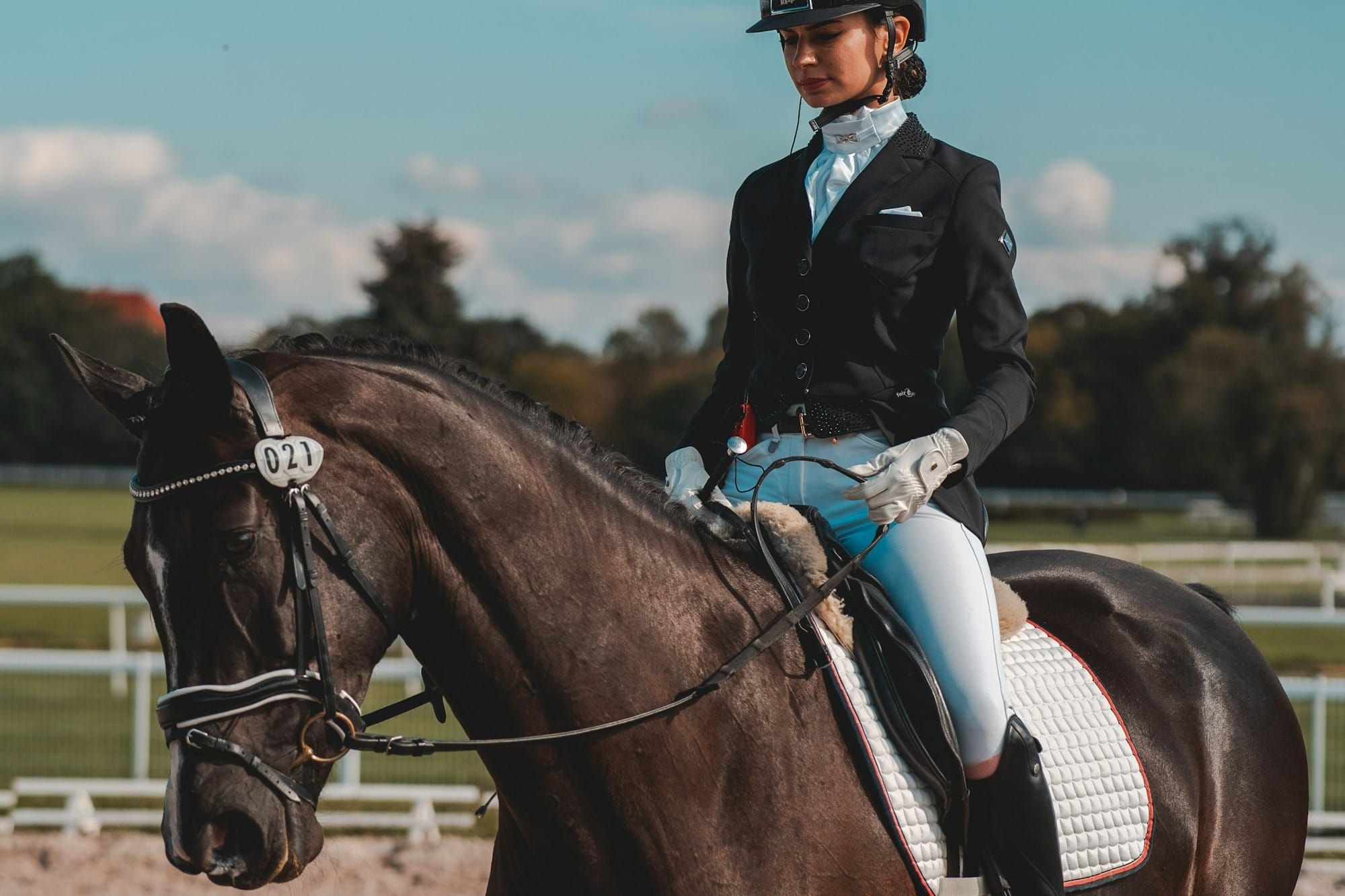
The first ride back after an injury can feel strangely familiar and completely new all at once. Maybe you are tightening your girth with shaky hands, double-checking your helmet for the fifth time, or wondering why mounting suddenly feels like the biggest event of the day.
If that sounds familiar, you are far from alone.
Getting back in the saddle after an injury means rebuilding trust in your body, your horse, and your confidence at a pace that feels safe and sustainable. Whether you are a returning rider, a first-time horse owner, or a parent helping a young rider navigate nerves after a fall, this process can feel emotional, frustrating, exciting, and hopeful all at once.
Why Returning to Riding Feels So Different
Horse people are tough. Sometimes a little too tough.
Many riders expect themselves to “just get back on” quickly after an injury, but recovery is rarely that simple. Even after your body heals, your brain may still be trying to protect you from another scary experience.
That is completely normal.
Fear after an accident does not make you weak or inexperienced. It makes you human.
Your Confidence and Your Skills May Recover at Different Speeds
One of the hardest parts of returning to riding is realizing your riding knowledge may still be there while your confidence feels miles behind.
You may:
- Feel nervous doing things that once felt easy
- Overthink mounting, cantering, or trail riding
- Worry about letting your horse down
- Feel frustrated by slower progress
Good to know: Confidence often returns gradually, not all at once.
Kids and Teens May Process Injuries Differently
For youth riders, fear may show up in quiet ways.
A child who once sprinted to the barn may suddenly hesitate at lesson time or become unusually emotional before rides. Sometimes young riders struggle to explain what they are feeling, especially if they worry about disappointing parents, trainers, or teammates.
Patience matters here more than pressure.
What to Expect When You Return to the Barn
Your Body Might Feel Different for a While
Even after medical clearance, your balance, flexibility, or stamina may take time to rebuild.
Simple things like posting trot or carrying tack can feel surprisingly tiring at first. That does not mean you are failing. It means your body is adjusting.
Horses Notice Our Energy
Most horses are incredibly sensitive to tension and body language. If you are nervous, your horse may feel that uncertainty too.
That does not mean you need to “fake confidence.” It simply means quiet, steady rides often help both horse and rider settle back into rhythm together.
Sometimes the best comeback rides are the boring ones. Truly.
A Gentle Way to Build Confidence Again
Let’s break it down.
You do not need to jump straight back into your old routine to prove you still belong in the saddle.
Here is a simple checklist many riders find helpful:
- Start smaller than your ego wants to A quiet hack, groundwork session, or short walk ride still counts as progress.
- Choose the right horse if possible A steady, forgiving horse can make a huge difference during recovery.
- Celebrate tiny wins Mounting calmly, relaxing your shoulders, or completing 10 comfortable minutes in the saddle all matter.
- Talk openly with your trainer or support system You do not need to pretend everything feels fine.
- Give yourself permission to take your time There is no ribbon for rushing your comeback.
You’ve got this.
Common Mistakes Riders Make After an Injury
It is easy to fall into the trap of comparing yourself to your “before injury” self.
Here are a few things that can make recovery harder:
- Returning too quickly without rebuilding confidence
- Feeling embarrassed about fear or nerves
- Comparing progress to other riders
- Ignoring physical discomfort or fatigue
- Assuming one bad ride means you are back at square one
One nervous ride does not erase your progress.
Neither does one emotional day at the barn.
Horse Terms You May Hear During Recovery
Groundwork
Groundwork includes exercises done with the horse from the ground instead of riding. This can include leading, lunging, obstacle work, or in-hand exercises.
Groundwork can help riders reconnect with horses and rebuild confidence without saddle pressure.
Body Protector
A body protector is a protective vest designed to help reduce impact injuries during riding falls. Some riders returning from injury also choose to wear newer air vests for additional support and peace of mind.
In Summary
Getting back in the saddle after an injury is not just physical. It is emotional too. Confidence rebuilds differently for every rider, and there is no single “correct” timeline for feeling ready again.
The important thing is allowing yourself space to rebuild trust, celebrate progress, and ask for support when needed. Small steps still count, even when they feel frustratingly small in the moment.
Your riding journey did not end because of one setback. It is simply entering a new chapter.
This article is general information and not a substitute for medical or veterinary advice.
Join the Conversation
Have you returned to riding after an injury, or supported a young rider through that process? We would love to hear what helped you feel confident again.
Join the TurnoutHQ community to share experiences, ask questions, and connect with horse people who understand both the hard days and the hopeful ones.