
Tack Cleaning Tips
Tack cleaning may not be the most exciting barn chore, but it is one of the most important. A simple care routine can help your equipment last longer, keep your horse comfortable, and ensure every ride starts with safe, well-maintained tack.

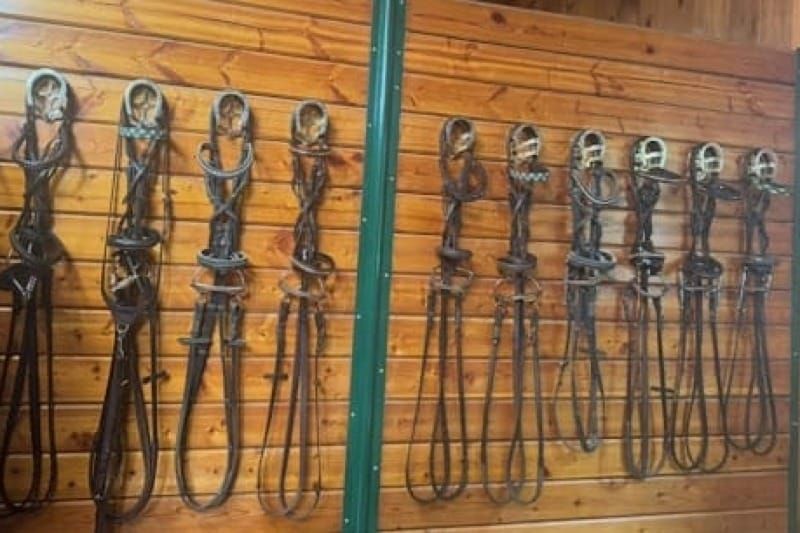
If there’s one barn chore riders tend to avoid, it’s cleaning tack. After a long ride, most equestrians would rather untack their horse, put everything away, and head home than spend extra time scrubbing leather. But putting off tack care can create bigger problems over time. Dirty tack wears out faster, becomes less comfortable for your horse, and can even turn into a safety risk if leather cracks or stitching weakens.
Tack goes through a lot during everyday rides. Sweat, dust, dirt, horse hair, and arena footing can quickly build up on saddles, bridles, reins, and girths. Over time, that grime dries out leather and causes unnecessary wear. You may not notice the damage right away, but eventually neglected tack can fail when you least expect it. A broken rein, cracked billet, or damaged stirrup leather is never something you want to discover while riding or competing.
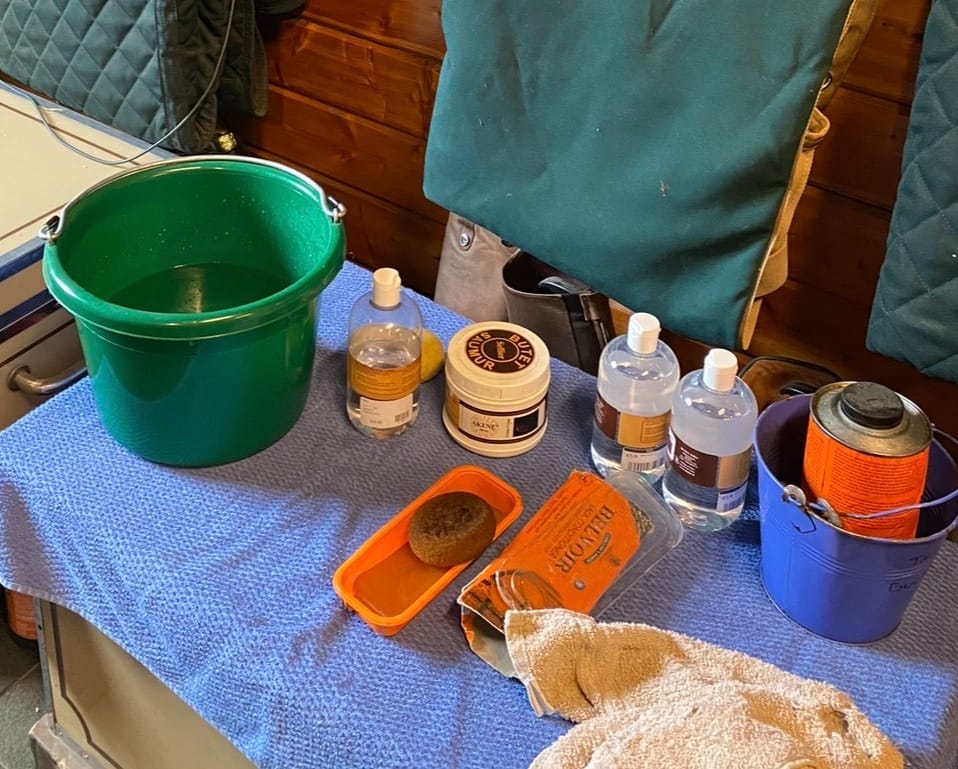
The good news is that tack cleaning does not have to become a full-day project. Creating a simple routine can help you keep your equipment in great shape while making the process feel much more manageable.
One of the easiest habits to build is doing a quick wipe down after every ride. While your tack does not need a full deep clean each time you ride, removing fresh dirt and sweat can make a huge difference. Using a damp sponge or soft cloth to wipe off your saddle, bridle, reins, and girth after each ride helps prevent grime from building up. This becomes especially important during warmer months when horses sweat more and salt residue can collect on leather. Spending just a couple of extra minutes after your ride can save you from much larger cleaning sessions later.
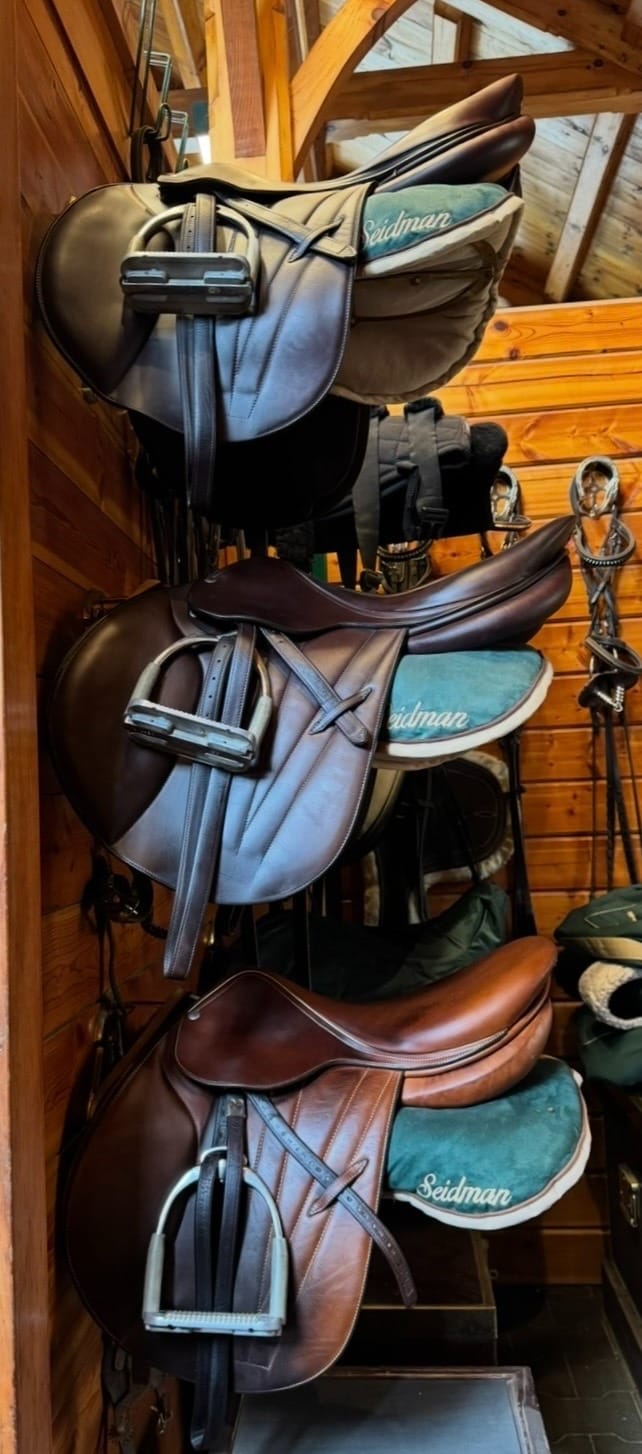
When it is time for a deeper clean, take the time to fully disassemble your tack. It can be tempting to quickly clean around buckles and straps, but dirt tends to hide in those hard-to-reach areas. Taking apart your bridle, removing stirrup leathers, and separating individual pieces allows you to clean much more thoroughly. It also gives you the chance to inspect every part of your tack for potential problems. While cleaning, look closely for cracked leather, loose stitching, rusted hardware, or worn areas that may need repairs. Catching these issues early can prevent accidents later.
Using the right products also makes a major difference in maintaining leather. Tack should be cleaned with products specifically designed for leather care. Saddle soap, leather cleaners, conditioners, and oils all serve different purposes, and using harsh household cleaners can strip leather of its natural oils. While it may be tempting to use whatever product you already have at home, sticking to tack-safe products will help your equipment last longer and maintain its appearance.
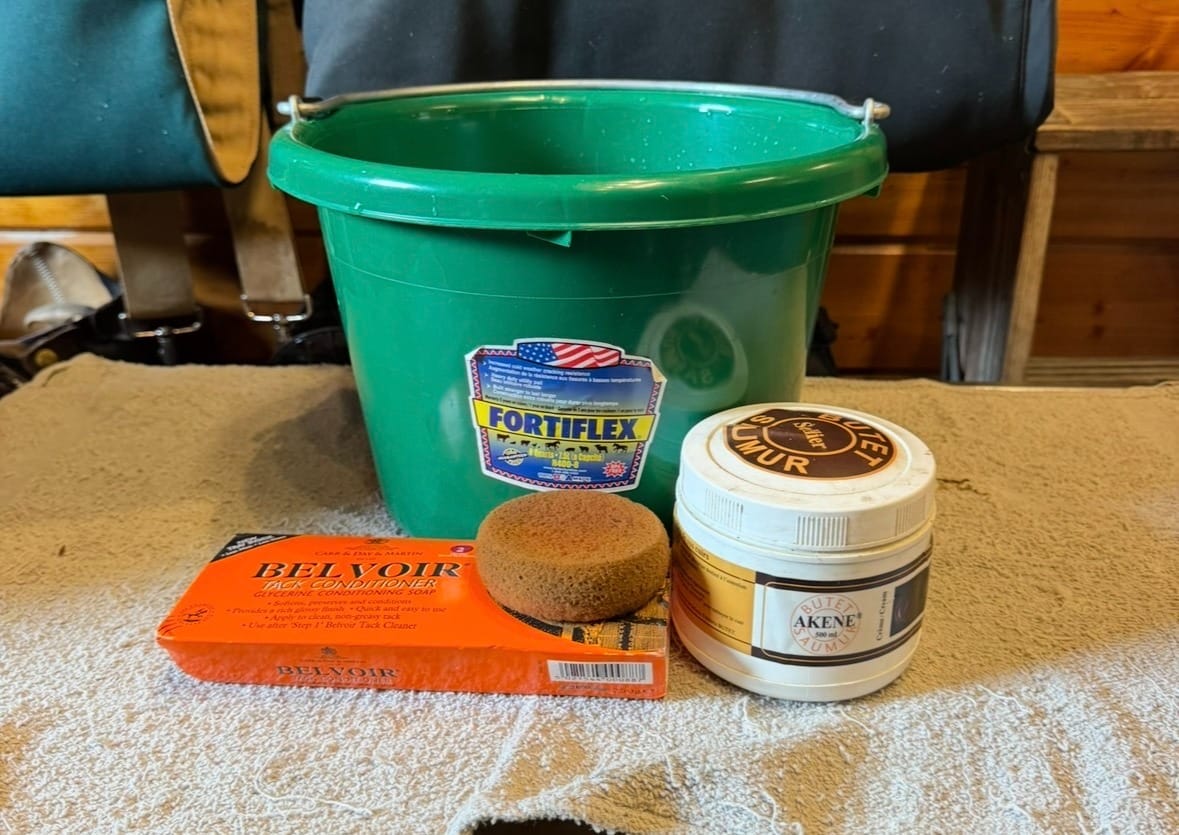
Smaller areas of tack often need extra attention during cleaning. Buckles, stitching, tooling, and tight creases tend to collect dirt that larger sponges cannot reach. A soft toothbrush or small detailing brush can help remove grime from these difficult areas without damaging the leather. Taking the extra time to clean these spots can make your tack look significantly better and help preserve it long term.
One common mistake riders make is over-oiling leather. Many people assume that if a little oil softens leather, more must be better. In reality, too much oil can oversaturate leather, stretch it out, and weaken it over time. Most tack only needs occasional oiling unless it has become extremely dry or has been neglected for long periods. In many cases, regular cleaning and conditioning are enough to keep leather soft and healthy.
Many riders focus heavily on saddles and bridles but forget smaller pieces of equipment that also require regular care. Bits should be cleaned frequently to remove saliva, feed particles, and buildup that can make them uncomfortable for your horse. Stirrups also collect dust, mud, and dirt that should be removed regularly. Tack care should include every piece your horse uses, not just the obvious ones.
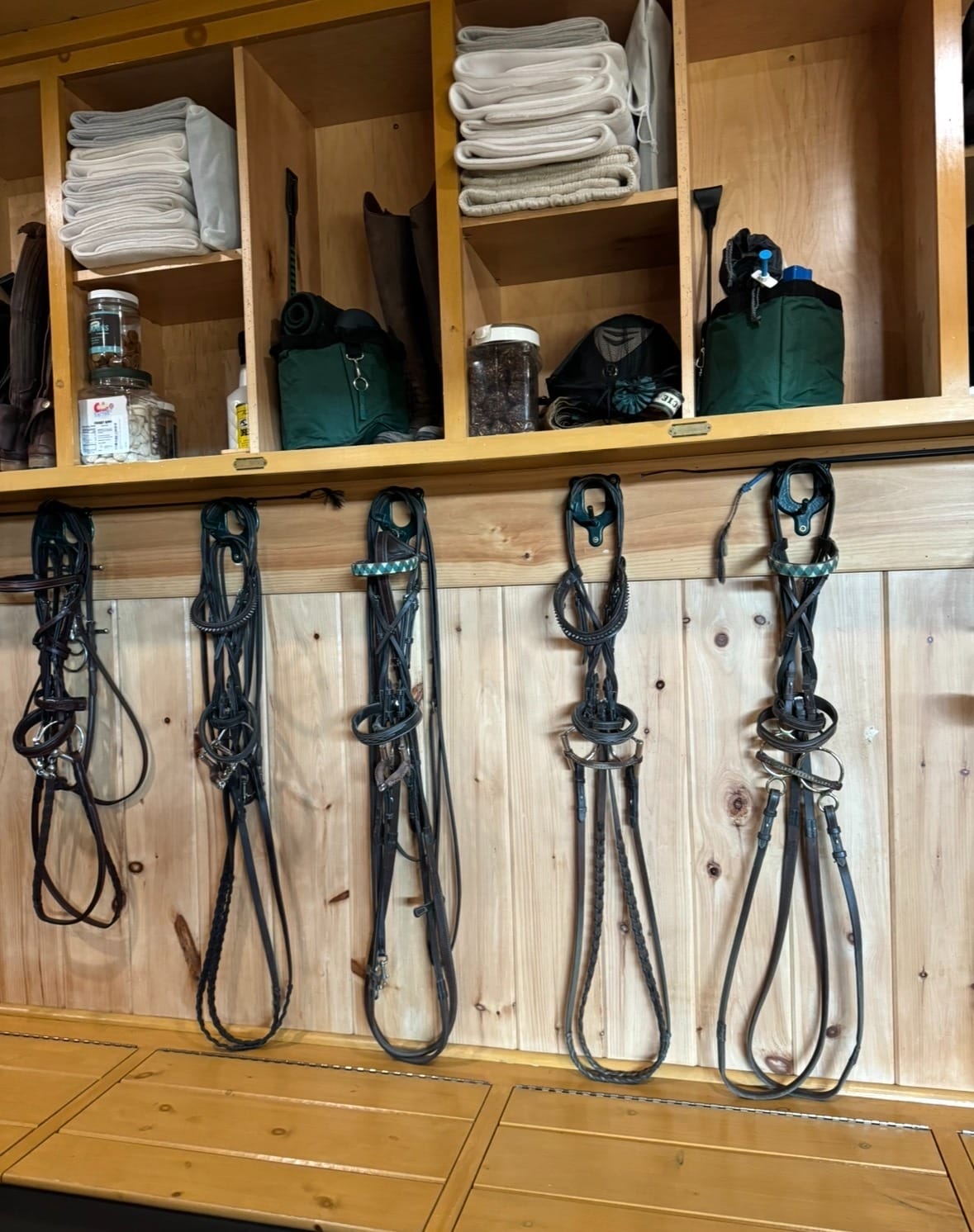
After cleaning, proper drying and storage are just as important as the cleaning process itself. Leather should be allowed to dry naturally in a cool, well-ventilated space. Direct sunlight and excessive heat can dry out leather and cause cracking, while damp storage areas can lead to mold. Using saddle covers or tack bags can help keep clean equipment protected from dust when it is not being used.
Creating a regular cleaning schedule can help prevent tack maintenance from feeling overwhelming. Riders who wait until their tack looks visibly dirty often end up facing much larger cleaning projects. Staying consistent with quick wipe-downs after rides and scheduling occasional deep cleans throughout the year helps keep everything manageable.
Clean tack also becomes especially important during horse show season. Showing up with polished, well-maintained equipment creates a more professional appearance and helps riders feel more prepared. If you already stay on top of regular maintenance, pre-show tack prep becomes much less stressful.
At TurnoutHQ, we know that great horsemanship extends beyond what happens in the saddle. The behind-the-scenes work, from tack cleaning to show prep, plays a major role in keeping horses comfortable and riders successful. THQ helps equestrians stay connected with educational content, horse show updates, and a community built specifically for horse people. Because success in the horse world often comes down to the small details, and clean tack is one of them.