
Are Fireworks Ethical? An Equestrian’s Perspective on Welfare and Social Responsibility
Fireworks may symbolize celebration, but for horses, wildlife, pets, and many people, they can bring fear, injury, and lasting stress. As animal welfare takes center stage, it's worth asking: are fireworks still an ethical way to celebrate?

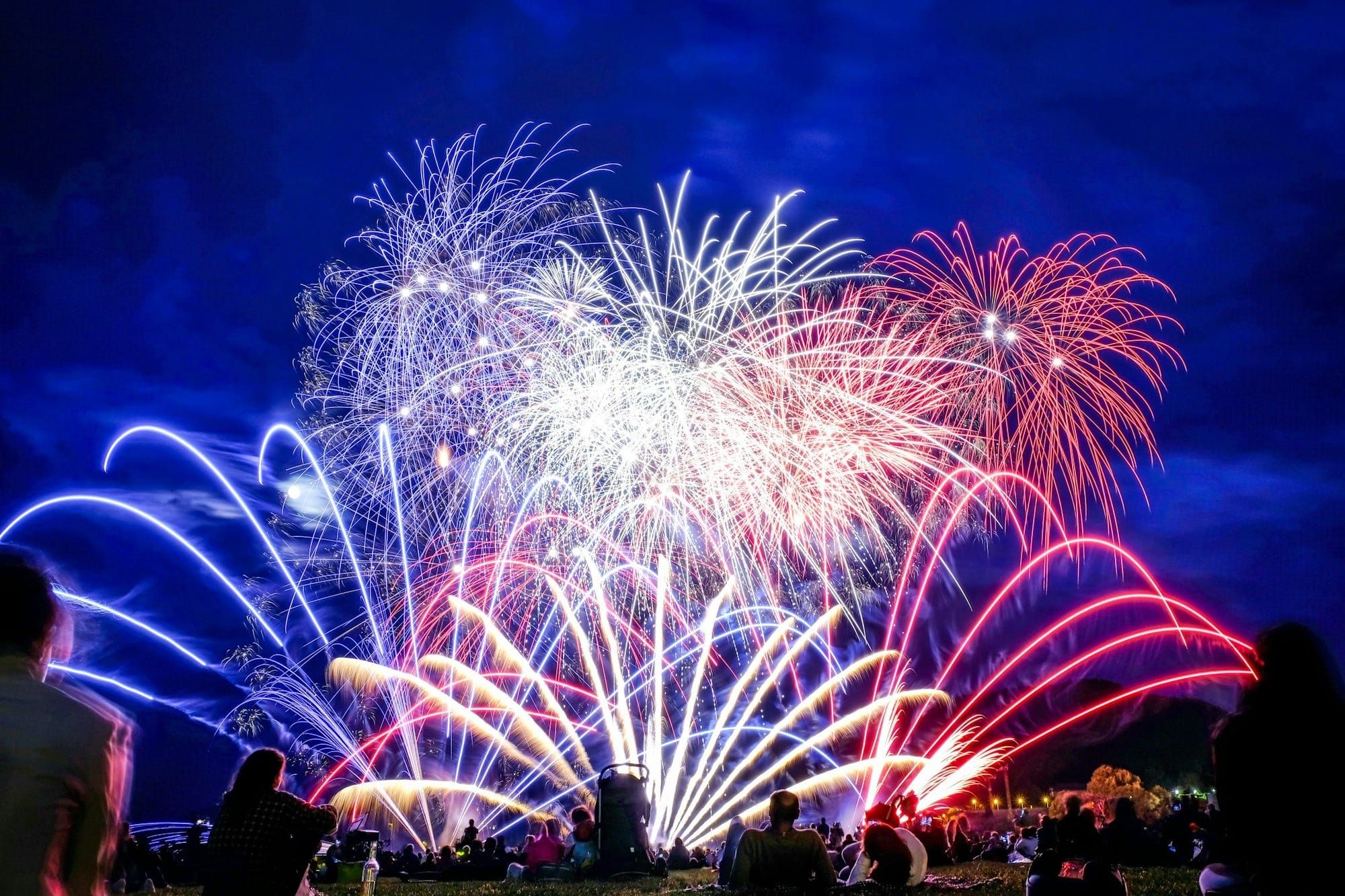
If you ask people to name something synonymous with celebration, fireworks would likely be a common answer. From holidays to sporting events and even weddings, Americans as a whole have always liked bright lights that go boom. In fact, according to the New York Times, the United States accounts for roughly 34% of global fireworks imports by volume, making it the world's largest consumer.
But how did fireworks get so ingrained in our culture? For that, we have to embark on a brief (I promise, it’s brief) history lesson. Fireworks have been part of human celebrations for centuries, with historians tracing their origins all the way back to ancient China. By the 13th century, fireworks had reached Europe, where they became popular at religious festivals, royal celebrations (the royals particularly liked to use them as a display of power to impress their plebeian subjects), and public events. European settlers brought that tradition with them to North America, and fireworks have been part of every Independence Day celebration since the very beginning. Over time, fireworks have gotten bigger, more powerful, more colorful, and more extreme. They have also become more accessible to the general public, and for many have become a fixture of American life. And while for many people, fireworks are synonymous with celebration, for others, they can be a living nightmare.
From an equestrian perspective, the debate is particularly relevant. Horses are prey animals with highly developed senses and a natural flight response. Sudden loud noises and bright flashes can trigger extreme reactions that can result in injury or death.However, the ethical discussion about fireworks extends far beyond the horse industry and affects pets, livestock, wildlife, the environment, and people as well.
The Obvious Equine Welfare Concerns
For horse owners, “firework holidays” are often some of the most dreaded days of the year, with a lot of required management and preparation. The light and noise of fireworks can be terrifying to horses, and lead to dangerous situations where they can be hurt or even killed. Horses spooked by fireworks can break through fences, run into structures, try to jump out of stalls or pastures, or colic.
These issues aren’t just limited to horses, either. Livestock, including cattle, sheep, poultry, and pigs, have also been documented experiencing stress responses associated with fireworks.
Dogs and cats can also have a very difficult time handling the stress caused by fireworks. The 4th of July and New Year’s Eve are two of the busiest days of the year for emergency veterinarians, both large and small. July 4th is the most common day of the year for reports of lost animals - ie animals that have run away as a fear response.
At what point does the enjoyment experienced by people outweigh the welfare costs imposed on animals that have no ability to understand or avoid the event?
The Wildlife Might Have It Even Worse
Unlike domestic animals, wildlife can’t be moved to safer locations, monitored, or provided with things to help them cope with the noise. Deer and coyote are two species that have been noted to be particularly impacted by the lights and noise. Fireworks can cause major issues with birds - there was an incident in Beebe, Arkansas where over 5,000 birds dropped dead from the sky after a fireworks display.
Animals, both wild and domesticated, bear the consequences of celebrations from which they receive no benefit.
“You’ll Blow Your Finger Off, Kid”
Animals aren’t the only ones sporting firework-related injuries. An estimated 13,000 people were injured by fireworks in 2025, with a whopping 10% of those injuries coming from relatively tame and unassuming sparklers. Unsurprisingly, burns are the most common injury. Fireworks have also been responsible for an estimated 32,300 fires, causing roughly $142 million dollars in property damage (another big concern for horse people with overzealous neighbors).
Breathe It In
The impact extends beyond animals. Fireworks contribute to spikes in air pollution through the release of particulate matter, gases, and metal compounds used to create colors and effects. Studies have documented increases in fine particulate pollution following major fireworks displays, with potential impacts on respiratory and cardiovascular health, particularly among vulnerable populations such as the young, sick, or elderly. Unfortunately large urban fireworks displays often take place in areas where residents are unable to escape the after-effects.
Not All People Like Bright Lights and Loud Booms
There are also concerns regarding people with post-traumatic stress disorder (PTSD), sensory sensitivities, autism, and certain medical conditions who may experience negative effects from loud explosions. While these impacts can vary significantly between individuals, they are increasingly part of public discussions surrounding fireworks use. People with PTSD (particularly common among military veterans) and survivors of gun violence can find fireworks especially difficult because the loud, sudden explosions can trigger a panic response. The sounds and unpredictability of fireworks may resemble aspects of past traumatic experiences, making it difficult to feel safe even when they know there is no real danger. Some sufferers even put signs up in their yard or around their neighborhood to let people know that there’s someone in the area with sensitivities, but I have, unfortunately, seen them be largely ignored.
For many people with autism (of which I am one) fireworks can be overwhelming due to heightened sensory sensitivities. The intense and unpredictable noise, bright flashes, and changes to routine can all trigger varying degrees of distress and sensory overload that’s inescapable and very stressful.
Ok, But What Are The Alternatives?
A recent poll showed that only 25% of Americans view fireworks negatively, and some people may feel that in this case, the majority should rule. I would instead propose that rather than outlaw fireworks altogether, we should explore alternative options. I think it’s entirely possible to appease both sides of the issue and create displays that people can enjoy, without causing all the damage, stress, and destruction of traditional fireworks.
Drone light shows have emerged as a popular option. These displays use hundreds of synchronized drones to create animated images and patterns in the sky. Major theme parks (including Disney), cities, sporting events, and holiday celebrations have already adopted drone shows either alongside or in place of traditional fireworks.
Other alternatives include laser shows, projection mapping, coordinated light displays, and “quiet fireworks,” which greatly reduce explosive noise while still maintaining the visual effects of traditional fireworks. Several communities in Europe have adopted quiet fireworks for festivals and public events specifically to reduce impacts on animals and noise-sensitive populations, and they have been very well-received.
Quiet fireworks are already available through vendors such as Black Cat, Epic, and Fireworks Connections. If they were more commonly requested or even required, they would certainly be even more readily available.
That Brings Us Back To The Ethical Question(s)
For horse owners, the ethical concerns around fireworks go beyond the possibility of a horse getting hurt. Even when no injuries occur, the noise and unpredictability can leave horses stressed, anxious, and unable to settle, sometimes affecting their eating, turnout, and rest. Many owners change their routines on fireworks holidays, staying at the barn late, adjusting schedules, or talking with their veterinarian about ways to help horses cope.
Foals, pregnant mares, and younger horses can be especially affected, and neighboring farms often have little warning or control over fireworks being set off nearby. There are also concerns about fire risks, as well as disruptions to training and competition schedules. Taken together, these issues raise a fair ethical question: how much responsibility do we have to consider the impact of our celebrations on horses and the people who care for them?
If the primary purpose of fireworks is public enjoyment, is that benefit sufficient to justify the widely negative impacts on animals, wildlife, air quality, and certain groups of people?
Should longstanding tradition reign supreme, or should they be altered when newer, more modern, more humane methods emerge?
How much unintended harm is acceptable in the pursuit of personal enjoyment?
Particularly at a time when concerns about animal welfare and social license continue to grow, fireworks may increasingly be evaluated not only by whether they are legal or popular, but by whether they remain ethically justifiable in a changing world.