
Why Schooling and In-Barn Shows Matter
Thinking about hosting a schooling show? These low-key events build confident riders and horses by offering a safe place to practice, learn, and grow. Here’s how to create your own in-barn show and support your local horse community, one pattern at a time.

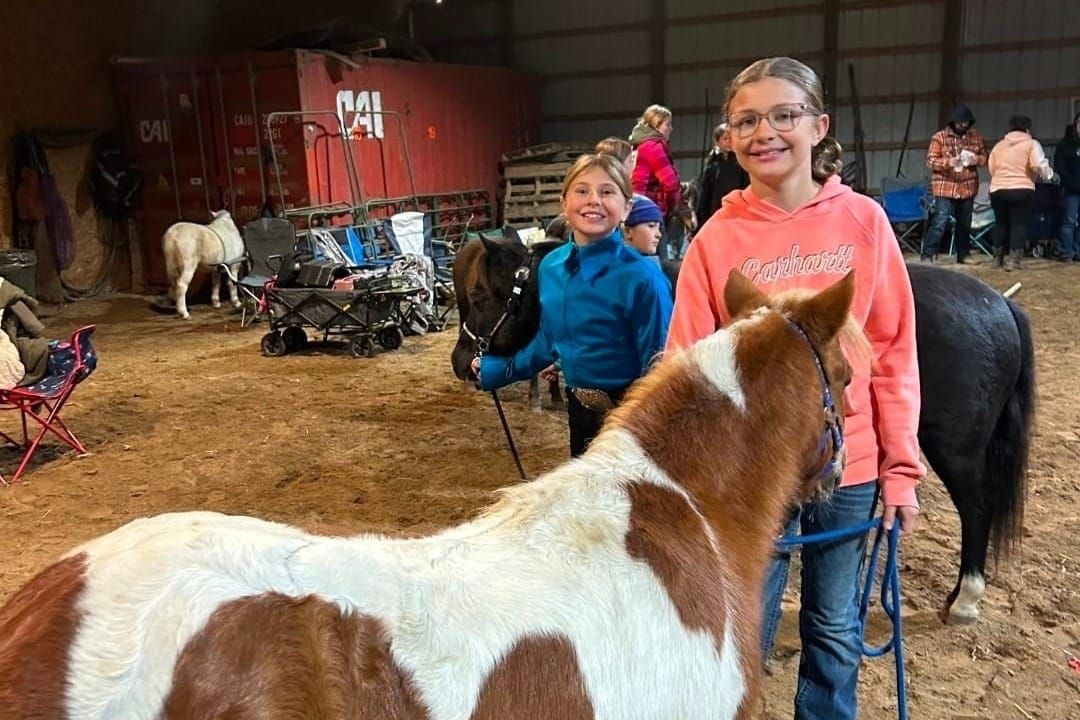
Schooling and in-barn shows play a critical role in developing confident, capable exhibitors across all horse disciplines. They provide a low-pressure environment where riders and handlers can practice with real show equipment, patterns, and procedures before stepping into larger, more formal competitions.
For youth and new exhibitors especially, schooling shows offer something invaluable: experience. Participants learn how to arrive on time for classes, navigate warm-up spaces, manage nerves, and perform under light competitive pressure. No show clothing or serious grooming required! Even experienced exhibitors, or people with green horses benefit from having a space to try new skills, or techniques without the stress of a “real” show.
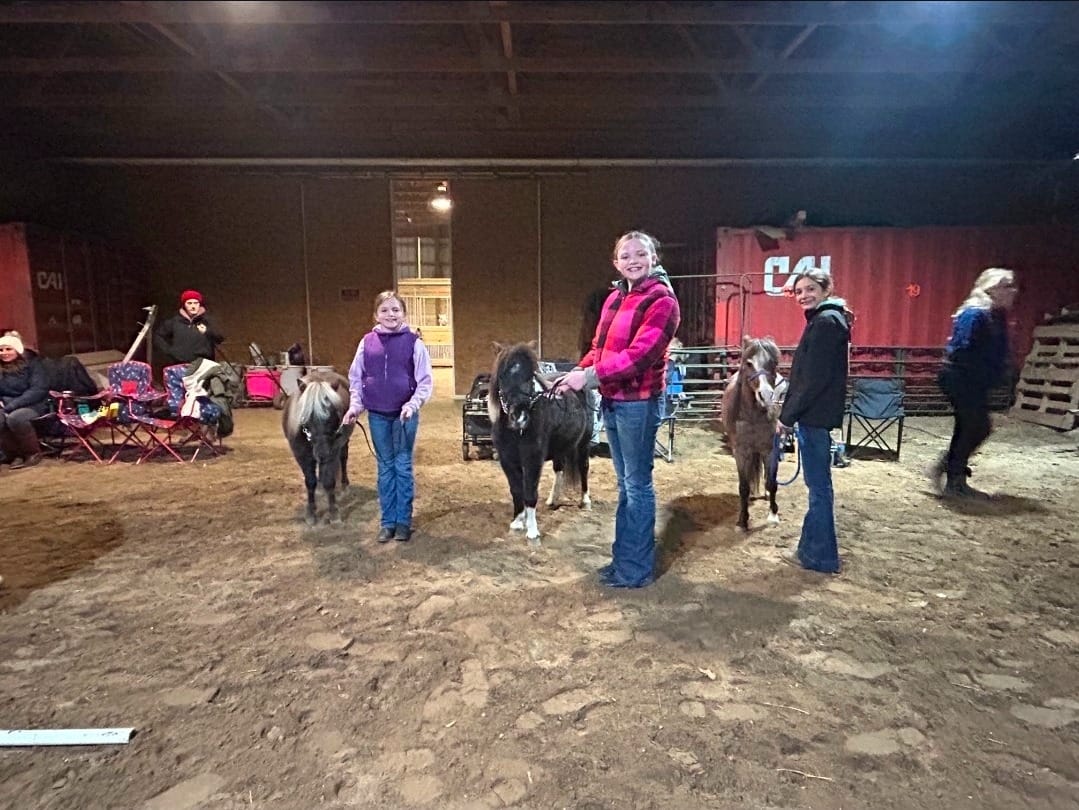
While I currently host schooling shows for miniature horses and ponies, the same need exists for full-sized horses in every discipline. Exhibitors often attend their first “real” show having never seen the obstacles, jumps, or pattern layouts they are expected to perform. Schooling shows help bridge that gap by allowing horses and people to become familiar with equipment, expectations, and the overall show atmosphere. Schooling shows also create an environment where questions are welcome, and mistakes are expected, which is great for new people. Big or rated shows give the impression that everyone knows what they are doing, and for a new person to the show world, that is intimidating.
By hiring a local judge, using scoresheets, and offering feedback on patterns or courses, these shows become true learning experiences rather than just competitions. I also build in time for exhibitors to practice over jumps or obstacles before their class, allowing them to fix issues proactively. Short training demonstrations, such as how to improve a sidepass, are mixed into the schedule to reinforce learning for everyone present.
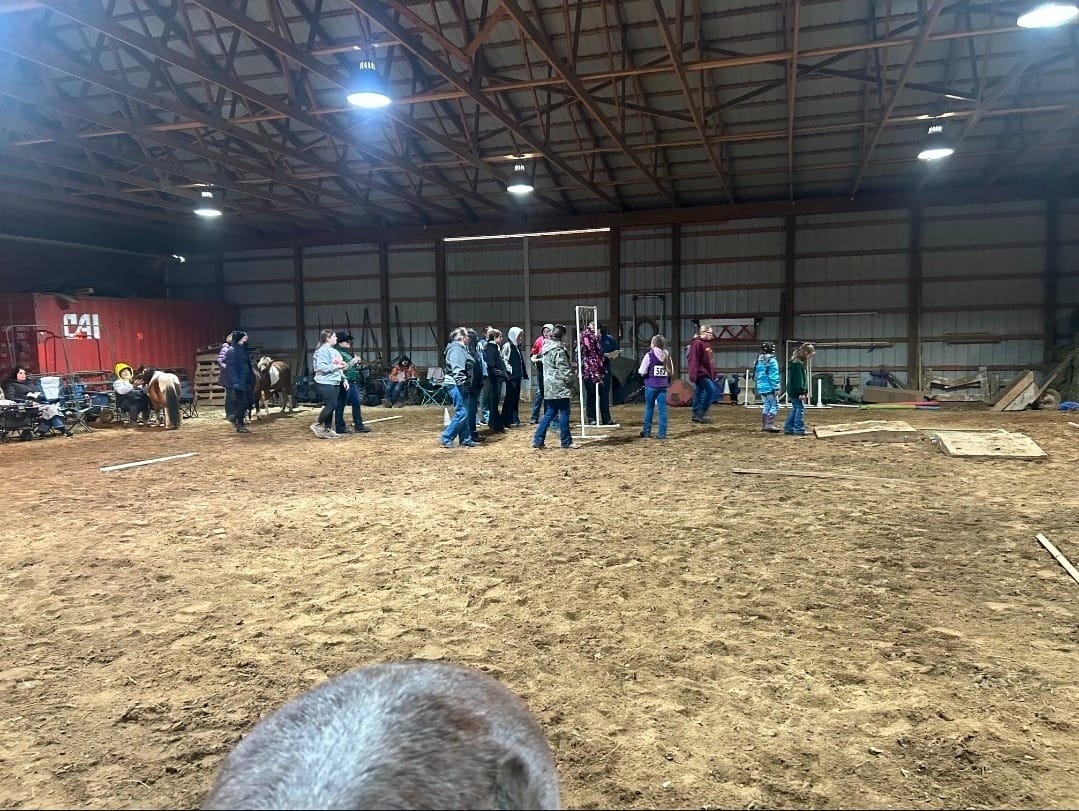
How to Create a Schooling or In-Barn Show at Your Farm
Creating a schooling or in-barn show can be simple and scalable, regardless of the type of horses you work with. Start with your current clients. They are often eager for more opportunities to practice and gain experience. From there, reach out to local youth and adults who may be interested in showing but unsure how to begin.
Create a clear event and share it with your community through social media, barn groups, and word of mouth. Keep the class list short and manageable to ensure the day runs smoothly. As an example, my schooling shows typically include about 15 classes, which allows for variety without overwhelming exhibitors or horses. Classes can be divided by age groups, such as: Adult, Youth 13 to 17, 12 and under. This structure works well across disciplines and can easily be adapted to riding, mini/pony, or performance classes.
Mix one or two short demonstrations into the schedule. These demos might focus on training a specific skill, such as a sidepass, obstacle approach, or pattern execution. Demos add educational value for both participants and spectators.
Hiring a judge adds consistency and credibility, even in a relaxed setting. Be sure to print scoresheets and judge’s cards so exhibitors receive written feedback. This transparency helps people understand how they were evaluated and what they can work on moving forward. I have the judge give each exhibitor feedback at the end of their pattern as well.
To streamline the process, set up a Google Form for pre-entries. Once entries are collected, assign back numbers ahead of time, and just like that, the show is prepped. I charge a very reasonable flat fee per exhibitor to cover my expenses. With thoughtful planning, a supportive atmosphere, and a focus on education, schooling and in-barn shows can be an accessible and powerful tool for growing confident exhibitors and stronger horse communities, no matter the size or discipline of the horse.
Good luck hosting your own show!
For more discussion about horse shows, join the conversation on TurnoutHQ!
Source
Dr. Amy Wertenberger