
Why Electrolytes Matter
After a ride, a sweaty coat or salty foam might just seem like part of the routine. But it’s also your horse’s way of saying they’ve lost more than water. This blog covers the basics of electrolytes, why they matter, and simple ways to support your horse after work.

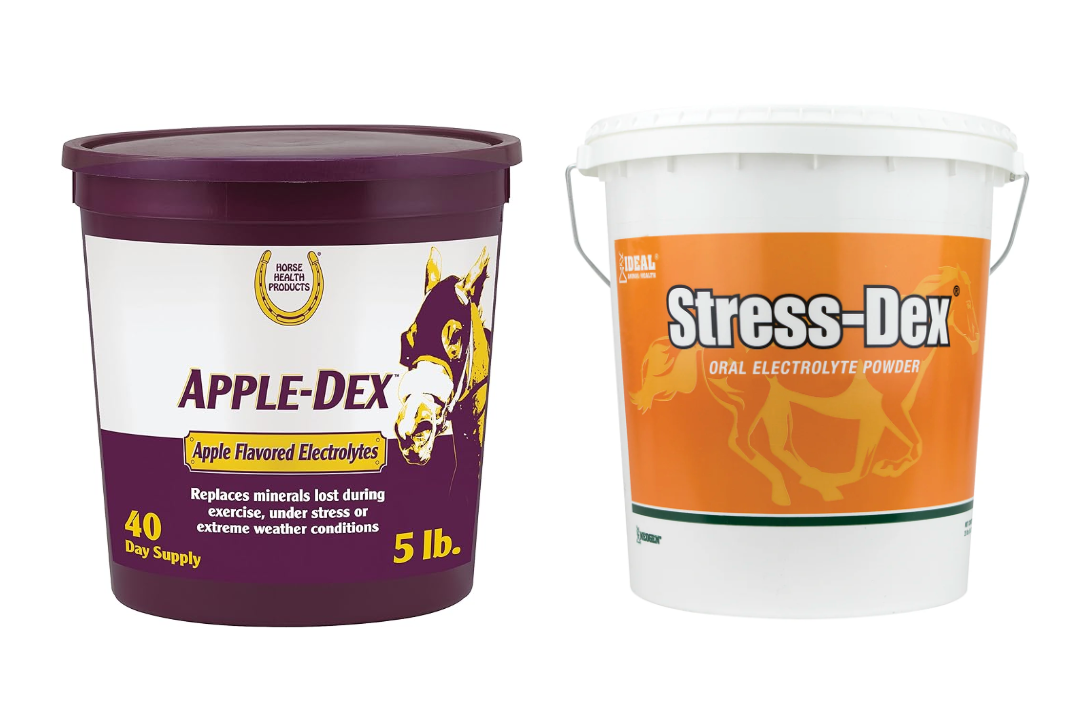
Ever finish a ride, loosen the girth, and notice your horse is soaked? That salty foam and darkened coat are a classic barn-life moment. They are also a clue.
Electrolytes are minerals that help your horse stay hydrated, balanced, and ready to work, especially during hard training or hot weather. In this post, you will learn what electrolytes are and why they matter, the basics and signs every rider should know, and simple steps to support your horse through exercise.
Let’s break it down.
What It Is and Why It Matters
Electrolytes are key minerals like sodium, chloride, potassium, calcium, and magnesium that help regulate fluid balance, muscle function, and nerve signals. Horses do not store large reserves of these minerals, so daily balance really matters.
Here is why electrolytes are especially important for horses in tougher programs:
- Horses cool themselves by sweating, and horse sweat is rich in electrolytes.
- During intense heat, sweat losses increase quickly.
- If those minerals are not replaced, hydration, recovery, and performance can suffer.
Good to know: Horses lose far more electrolytes in sweat than people do, which is why replacement matters.
Signs or Basics to Know
Dehydration and What It Looks Like
Dehydration means your horse has lost more fluids than they have taken in. It can happen faster than many riders expect during hard work or hot conditions.
Early signs may include reduced appetite, darker urine, slower skin snap-back, or a generally flat attitude. More advanced dehydration can affect performance and muscle function.
Sweating and Loss of Electrolytes
Sweating and loss of electrolytes always happen together. When a horse sweats, they lose water and essential minerals at the same time.
Offering plain water replaces fluids but not electrolytes. This is why a horse may drink well after work and still feel off if minerals are not replenished.
How to Handle It or Steps to Take
Here is a simple checklist to support your horse during intense exercise.
- Provide unlimited access to fresh, clean water.
- Offer free-choice plain salt daily to support baseline needs. (2 tablespoons per day for a 1000 lb. horse)
- Add electrolytes during heavy work, hot weather, or travel, following label directions.
- Feed electrolytes after exercise rather than before to reduce stomach upset.
- Monitor recovery. Normal appetite, energy, and manure are good signs.
If you are unsure about amounts or timing, ask your veterinarian for guidance.
Common Mistakes and Quick Tips
A few practical reminders from around the barn:
- Do not mix electrolytes into water unless your horse already accepts the taste.
- Avoid over-supplementing. Balance matters more than quantity.
- Cool weather still counts. Horses can sweat heavily even on mild days.
- Good forage supports hydration. Hay intake matters.
- Check the sugar content of your electrolytes if you have a horse with EMS/insulin resistance as it’s often too high to be safe.
This article is general information and not a substitute for veterinary advice.
Join the Conversation
Electrolytes play a key role in hydration, muscle function, and recovery during intense exercise. Sweat loss increases rapidly during hard work and hot conditions, and plain water alone may not be enough. Understanding dehydration and electrolyte balance helps you support your horse more confidently. A few thoughtful habits can go a long way toward keeping your horse comfortable and ready to work.
Have a routine that works well for your horse, or a question about electrolytes and training? Share your experience or ask the herd in the TurnoutHQ community. Riders of every discipline and experience level are always welcome.
Sources
- Horse & Hound. “Electrolytes Explained”https://www.horseandhound.co.uk/horse-care/vet-advice/electrolytes-explained-hh-vip-685199
- Horse & Hound. “Best Electrolytes for Horses: Why and How to Feed”https://www.horseandhound.co.uk/buyers-guides/understanding-essential-electrolytes-450961
- Kentucky Equine Research. “Electrolytes for Horses: Just the Basics”https://ker.com/equinews/electrolytes-horses-just-basics/