
Understanding Your Horse’s Digestive System
Horse nutrition starts with understanding what’s going on inside. From constant grazing to a hardworking hindgut, your horse’s digestive system is built a little differently. Let’s break it down so you can feed smarter, support gut health, and keep your horse feeling their best every day.

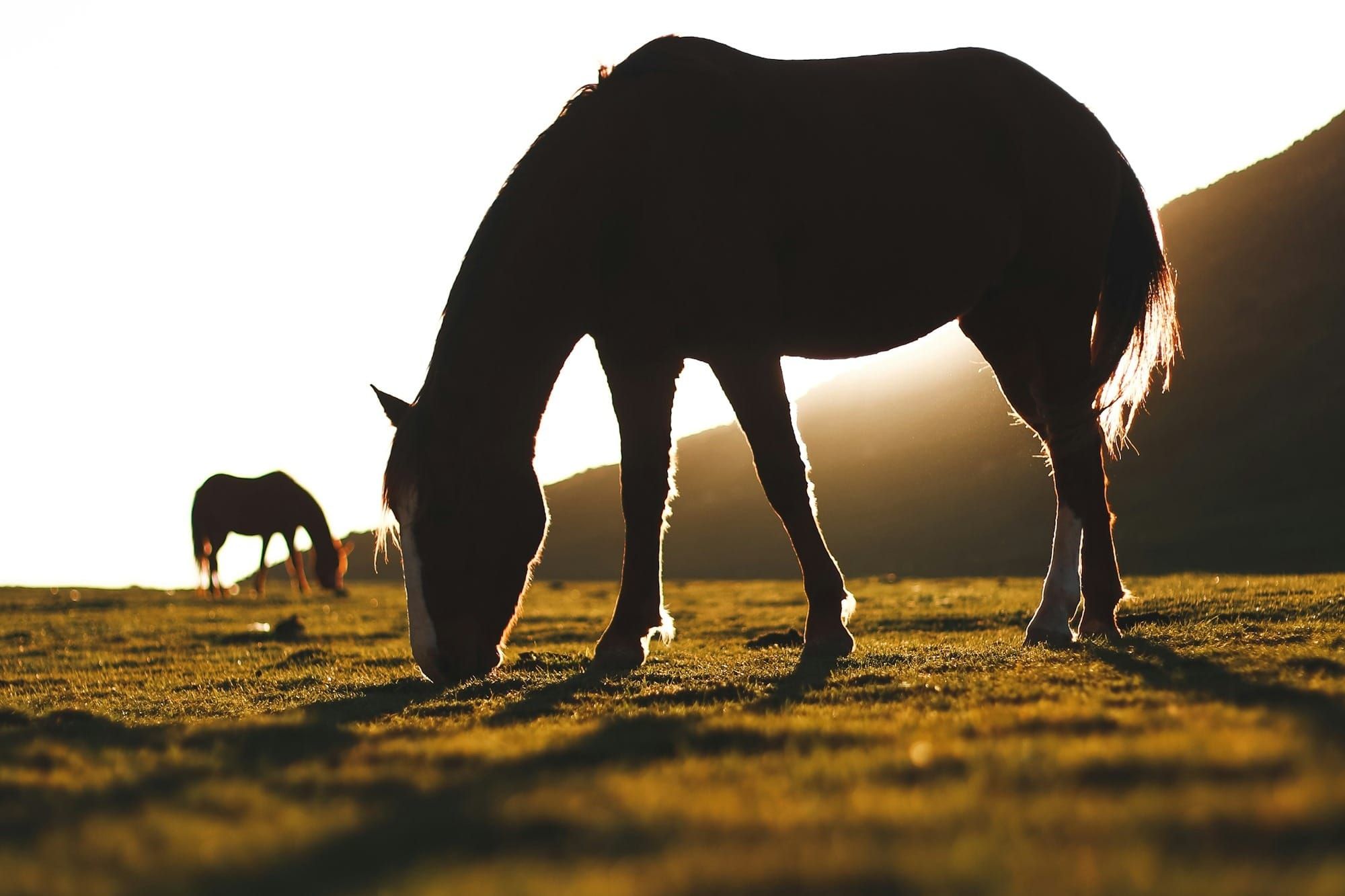
Horse owners spend a lot of time thinking about feed. From choosing the right hay to deciding whether grain is necessary, nutrition plays a major role in every horse’s health and performance. What many riders do not realize, however, is that a horse’s digestive system is very different from that of many other animals. Understanding how it works can help owners make better feeding decisions and reduce the risk of common digestive problems.
Horses evolved as grazing animals, meaning their digestive system is designed to process small amounts of forage continuously throughout the day. Because of this, their entire gastrointestinal system works best when food is moving steadily through it. When feeding practices do not match this natural design, digestive issues can arise.
Learning how each part of the digestive system works helps explain why feeding management is so important for horses.
Horses Are Hindgut Fermenters
One of the most important things to know about horses is that they are classified as hindgut fermenters. This means that much of their fiber digestion takes place in the later portions of the digestive tract rather than the stomach.
Unlike ruminant animals such as cows that ferment feed in their stomach, horses rely on microbial fermentation in the large intestine to break down fibrous plant material. This system allows horses to convert grass and hay into usable energy.
The process works well when horses consume a diet based primarily on forage. The microbes in the hindgut break down plant fibers into volatile fatty acids, which the horse can absorb and use as a major energy source.
Because of this unique digestive design, horses thrive on a steady intake of fiber and are more sensitive to sudden changes in feed.
Digestion Begins in the Mouth
Every meal begins in the horse’s mouth. Horses chew their feed thoroughly to break it down into smaller particles before swallowing. Chewing also stimulates the production of saliva, which helps moisten food and begin the digestive process.
Saliva plays an important role beyond simply making food easier to swallow. It contains compounds that help buffer stomach acid and support digestion. Horses can produce significant amounts of saliva each day depending on how much they chew and the moisture level of their feed.
Healthy teeth are critical during this stage. Horses use incisors to bite off forage and molars to grind it down. If dental issues prevent proper chewing, food may not be broken down effectively, which can affect digestion further along in the digestive tract.
Once feed is chewed and mixed with saliva, it travels down the esophagus toward the stomach.
The Stomach: Small but Important
The horse’s stomach is relatively small compared to the rest of the digestive system. Food can pass through it quickly, sometimes in as little as an hour.
This small stomach size is one reason horses are meant to eat frequent small meals instead of large portions. In the wild, horses graze for many hours each day, allowing food to enter the stomach slowly and continuously.
Inside the stomach, digestive acids and enzymes begin breaking down carbohydrates, proteins, and fats. However, because feed does not stay here very long, the stomach is only the first step in the digestive process.
Another unique aspect of horses is that they cannot vomit due to the strength of the esophageal sphincter entering the stomach. This means spoiled or harmful feed cannot be expelled once swallowed, making quality feed and careful feeding practices extremely important.
The Small Intestine: Major Nutrient Absorption
After leaving the stomach, digested feed moves into the small intestine. This section of the digestive tract is extremely long, often reaching 50 to 70 feet in length.
The small intestine is responsible for most of the enzymatic digestion and nutrient absorption in the horse. Enzymes produced by the pancreas help break down proteins, fats, and carbohydrates so they can be absorbed into the bloodstream.
Vitamins, minerals, and other nutrients are also absorbed here. Because digestion happens relatively quickly in this area, feed that is not properly broken down earlier in the digestive process may pass through without being fully utilized.
Another interesting difference between horses and many other animals is that horses do not have a gallbladder. Instead of storing bile, bile is continuously released from the liver into the small intestine to assist with fat digestion.
Once nutrients have been absorbed, the remaining fibrous material moves into the largest portion of the digestive system.
The Hindgut: The Powerhouse of Fiber Digestion
The hindgut consists of the cecum, large colon, small colon, and rectum. Together, these sections make up roughly sixty percent of the horse’s digestive tract.
This is where the real magic of fiber digestion happens.
The Cecum
The cecum acts as a large fermentation chamber filled with billions of microbes. These microorganisms break down plant fibers that could not be digested earlier in the digestive tract.
During this fermentation process, microbes produce volatile fatty acids that serve as a major energy source for the horse. Fermentation also produces certain vitamins such as B vitamins and vitamin K.
The microbial population in the cecum is extremely sensitive. Sudden diet changes or excessive starch intake can disrupt the balance of microbes and potentially lead to digestive problems.
The Large Colon
After fermentation begins in the cecum, feed material moves into the large colon. This section continues the fermentation process while also absorbing water and electrolytes.
The large colon contains several bends and turns, which can make it vulnerable to digestive disturbances. In fact, many cases of colic are associated with issues in this portion of the digestive tract.
Proper feeding management and consistent routines help reduce the risk of problems developing in this sensitive area.
The Small Colon and Rectum
The final stage of digestion occurs in the small colon. Here, the body absorbs additional water from the remaining digesta while forming fecal balls.
Once the process is complete, the waste moves through the rectum and is expelled as manure. From the moment feed enters the mouth until it leaves the body, the entire digestive process can take anywhere from about 36 to 72 hours depending on the type of feed consumed.
Why Feeding Management Matters
Because the horse digestive system is complex and sensitive, feeding practices have a direct impact on overall health.
Forage should always be the foundation of a horse’s diet. Fiber keeps the digestive tract functioning properly and supports the microbial population responsible for fermentation. Horses evolved to graze for many hours each day, and their digestive system works best when it receives a steady supply of forage.
Consistency is also important. Sudden feed changes can disrupt the balance of microbes in the hindgut, which may lead to digestive upset or more serious issues. Gradual transitions allow the microbial population to adjust safely to new feed sources.
Other management practices that support digestive health include routine dental care, access to clean water, and feeding smaller meals throughout the day rather than large portions.
Supporting Digestive Health Through Knowledge
Understanding how the equine digestive system works gives horse owners valuable insight into daily management decisions. Feeding practices that align with the horse’s natural biology can improve nutrient absorption, reduce the risk of digestive disorders, and support overall wellbeing.
While the digestive process itself is complex, the core principle is simple. Horses thrive when their diet closely resembles the grazing lifestyle they evolved with.
Learn More with the THQ Community
Horse ownership always comes with questions, especially when it comes to nutrition and health. On TurnoutHQ, riders and horse owners can connect with a knowledgeable community to share experiences, ask questions, and learn more about caring for their horses.
Whether you are discussing feeding strategies, training techniques, or everyday barn life, THQ brings the horse community together in one place to help everyone become better horse people.