
Understanding EMS and Insulin Resistance
Managing EMS can feel like a balancing act, but with the right approach, your horse can thrive. From low-sugar feeding to smart grazing and steady exercise, small changes make a big difference in keeping insulin levels in check and hooves healthy.

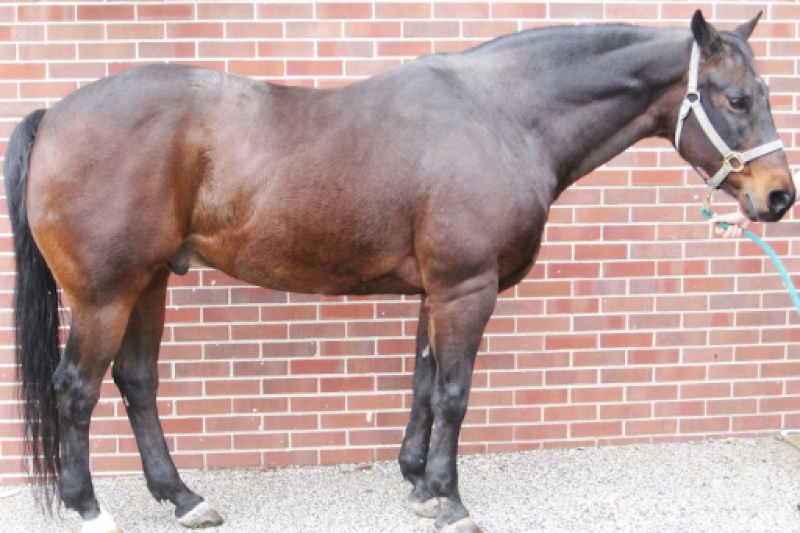
Equine Metabolic Syndrome isn’t a disease you cure — it’s a metabolic imbalance you manage.
At the heart of EMS is insulin resistance (IR). Normally, insulin helps shuttle glucose from the bloodstream into cells for energy. In insulin-resistant horses, cells don’t respond well to insulin; glucose stays high in the blood and the pancreas compensates by producing more insulin. Over time, high circulating insulin not only makes fat loss harder, it also greatly increases the risk of laminitis — a painful and potentially severe inflammation of the hoof tissues.
Classic signs include:
- Obesity or “cresty” fat deposits (especially along the neck)
- Difficulty losing weight despite reduced calories
- History of laminitis triggered by grass or feed changes
- High blood insulin levels with normal or low glucose
Diet First: How Feed Affects Insulin
Keep Non-Structural Carbohydrates (NSC) Low
NSCs include simple sugars, starches, and fructans in grass and hay. These are the parts of forage that spike blood glucose and insulin. Horses with EMS do best when NSC content stays below ~10-12% of dry matter. To be safe, get your hay tested. You can send in forage samples to places like the Dairy One Forage Laboratory to be analyzed. (Submitting a Sample | Dairy One). It is inexpensive and easy to do! (NSC = ESC + Starch)
Grass hay or pasture with higher NSC feeds the problem. Pasture grass — especially lush spring or stressed grass — can be very high in sugars and trigger both insulin spikes and laminitis.
Soaking Hay: Reduce Sugars Before Feeding
If you can’t get tested low-NSC hay, soaking is your friend.
Soaking hay in water — typically 30 minutes in hot water or 1 hour in cool water — leaches a good portion of water-soluble carbohydrates out of the hay. Studies suggest this can reduce the sugar content by up to ~30% or more depending on soak time and hay type. (Soaking longer is not generally recommended as it does not remove much more of the sugars, but does remove many of the nutrients & minerals).
Best practices for soaking:
Use cold tap water or pond water — studies show it’s effective.
Fully submerge hay for at least 30-60 minutes. Consider putting hay in a haynet, then weighting it down and submerging in a muck tub for the soak. There are also products like the Haycube (Haycube USA LLC | Hay Soaker & Slow Feeder for Horses | New Jersey, USA) you can use for soaking.
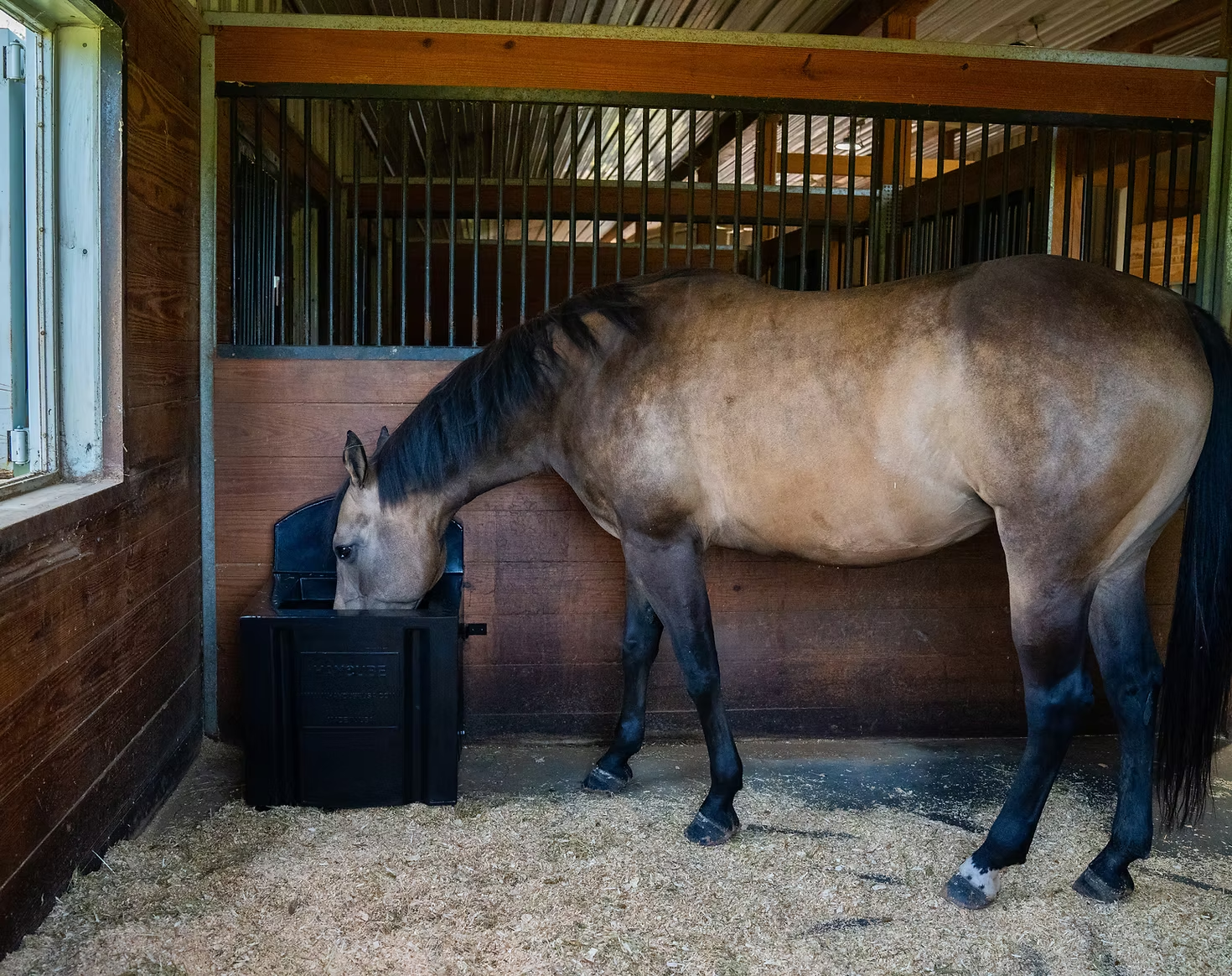
Drain the soak water before feeding — this water carries the sugars out of the forage. Dispose of this sugar filled water somewhere horses cannot reach it! Many people drain the water then hang the haynet to drip dry for a short time before feeding.
Be aware that long soaks also reduce minerals — so imagine you might need a ration balancer or supplement to balance the diet.
Soaking doesn’t always bring NSC below 10%, but it often helps greatly — especially when you can’t access low-sugar hay.
Grazing and Pasture Sugar
Grass itself can be risky:
- Cool-season grasses (like orchardgrass, timothy, rye) can accumulate sugars during the day.
- Sugar levels peak mid-afternoon and are lower in early morning.
Ways to reduce grazing risk:
- Turn out only in early morning when grass sugars are lowest, typically between 3-10am (IF night temperatures stayed above 40 degrees F).
- Use grazing muzzles to limit intake.
- Restrict turnout during high-risk seasons (spring and fall) and remove from pasture entirely if needed.
Management Strategies That Work
Calorie Moderation Without Starvation
Horses with EMS often need careful restriction of calories, but starvation backfires — it can worsen insulin resistance and even lead to hyperlipemia, a dangerous metabolic condition. Donkeys are especially prone to hyperlipemia.
Target feeds around 1.2-1.5% of bodyweight in dry matter per day using low-NSC forage and soaked hay.
Exercise Enhances Insulin Sensitivity
Movement helps muscles use glucose more efficiently and improves insulin response. Even gentle, consistent work — such as walking under saddle or hand-walking — can make a positive difference.
However:
- Avoid intense work if the horse is actively laminitic.
- Build exercise gradually after laminitis clears.
Balanced Nutrition
If your horse is on a forage-only diet, a ration balancer or vitamin/mineral supplement can help ensure nutritional needs are met, especially sodium, zinc, copper, and vitamin E.
Also:
- Avoid feeds with added molasses or sweeteners.
- Treats should be low-calorie and low-sugar.
Final Thoughts
EMS isn’t something you “fix” overnight, but with a well-designed diet, careful forage selection, strategic grazing management, and appropriate exercise, most horses can live happily and healthily without recurrent laminitis.
Work closely with your veterinarian and, if possible, get forages analyzed to guide your decisions. Knowing the NSC content of your hay/pasture will help tailor your plan for success.
Want to talk more about EMS & insulin resistance? Join the conversation on THQ!
Sources
University of California, Davis – Center for Equine Healthhttps://ceh.vetmed.ucdavis.edu/health-topics/equine-metabolic-syndrome
Utah State University Extensionhttps://extension.usu.edu/equine/research/managing-equine-metabolic-syndrome
EquiManagement (AAEP publication)https://equimanagement.com/research-medical/metabolic/managing-ems-and-id-horses/
Amy E Sherrick, M.B.A., Associate Professor of Equine Business Management