
Tying Up in Horses: What Owners and Riders Need to Know
“Tying up” can be a frightening moment for any rider. When a horse suddenly becomes stiff, sore, or reluctant to move during or after exercise, it may signal a muscle condition that needs attention.

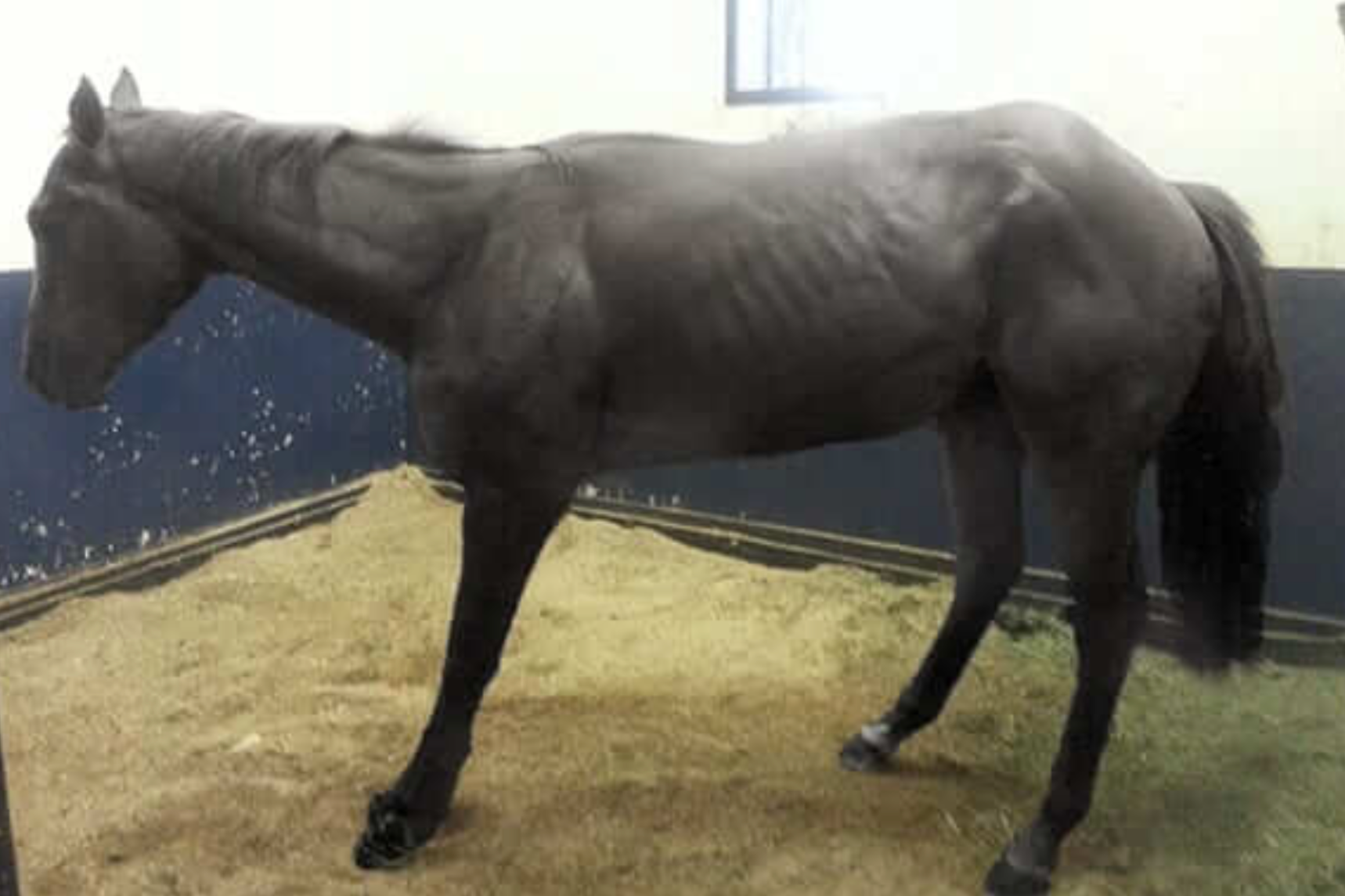
You swing into the saddle, ask for a trot, and something feels off. Your horse tightens up, shortens his stride, or flat out says no thank you. Moments like that can make your stomach drop, especially if you have heard whispers around the barn about “tying up.” Let’s break it down in plain language, what tying up is, why it matters, and how you can respond with confidence and care. You will learn what is happening in your horse’s body, the signs to watch for, and what to do right away.
Key Takeaways
- Tying up is a muscle condition that can range from mild to serious.
- Early signs are often subtle but important to catch.
- Quick, calm action protects your horse and supports recovery.
- Long term management matters for horses with repeat episodes.
What It Is and Why It Matters
Tying up, also known as Exertional Rhabdomyolysis, Azoturia or Monday Morning Sickness, is a condition where muscle fibers break down during or after exercise. In simple terms, the muscles cannot handle the work being asked of them and begin to cramp, stiffen, and sometimes become damaged. Liken it to a person who is new to running and they try to run 10 miles on their first day.
Tying up is painful for your horse, can cause real muscle injury, and often comes back without the right plan. Some horses develop chronic tying up, meaning episodes repeat unless diet, exercise, and stress are carefully managed.
Tying up can affect horses in any discipline and at any level. It is often seen in horses that are unfit and asked to do too much, but some horses struggle with it regardless of fitness level.
Fitness gaps, diet, stress, and genetics can all play a role.
Signs & Symptoms
During work
Watch for stiffness, short or choppy strides, muscle trembling, heavy sweating, or resistance to moving forward. Some horses slow down quietly while others stop outright.
After exercise
Signs can show up in the stall. Firm or painful muscles over the back and hindquarters, dark urine, or a horse that looks uncomfortable standing are all red flags. Trust your gut and act early.
What to Do
If you suspect tying up, here is a clear, barn-friendly checklist.
- Stop exercise immediately. Do NOT push through stiffness.
- Keep your horse calm and still. Do not force walking unless your vet advises it.
- Call your veterinarian. Blood work is often needed to confirm muscle damage.
- Support at home while you wait for guidance.
- Offer fresh water at all times.
- Keep muscles warm with a light cooler if needed.
- Provide quiet stall rest.
- Avoid liniments or anything that creates heat.
- Follow your vet’s plan for rest, diet changes, and a gradual return to work.
You’ve got this. Quick, thoughtful action can make a big difference.
Common Mistakes and Quick Tips
- Do not try to “work it out.”
- Do not assume it is bad behavior or lack of fitness.
- Avoid sudden increases in workload, especially after days off.
- Keep exercise and turnout routines consistent.
- Review feed and supplements with your vet, especially for horses with chronic tying up.
In Summary
Tying up is a muscle condition that deserves attention and respect. It often shows up as stiffness, pain, or reluctance to move during or after exercise. Early recognition, stopping work, and calling your vet are the most important first steps. With the right management plan, many horses return to comfortable, steady work.
This article is general information and not a substitute for veterinary advice.
Join the Conversation
Have you managed tying up in your horse or found a routine that helped prevent it? Share your experience or ask a question in the TurnoutHQ community. Your story might help another rider spot the signs sooner.
Sources
- Rutgers Equine Science Center, “Exertional Rhabdomyolysis (Tying Up) in Horses”https://esc.rutgers.edu/fact_sheet/5531/
- SmartPak Equine, “Tying Up in Horses: Causes, Symptoms, and Treatment”https://www.smartpakequine.com/learn-health/tying-up-horse
- Kentucky Equine Research, “Exertional Rhabdomyolysis”https://ker.com/nmdl/resources/exertional-rhabdomyolysis/