
To Braid or Not to Braid-How Far Should Tradition Evolve?
Changes in the equestrian industry challenge traditional standards for the show ring.

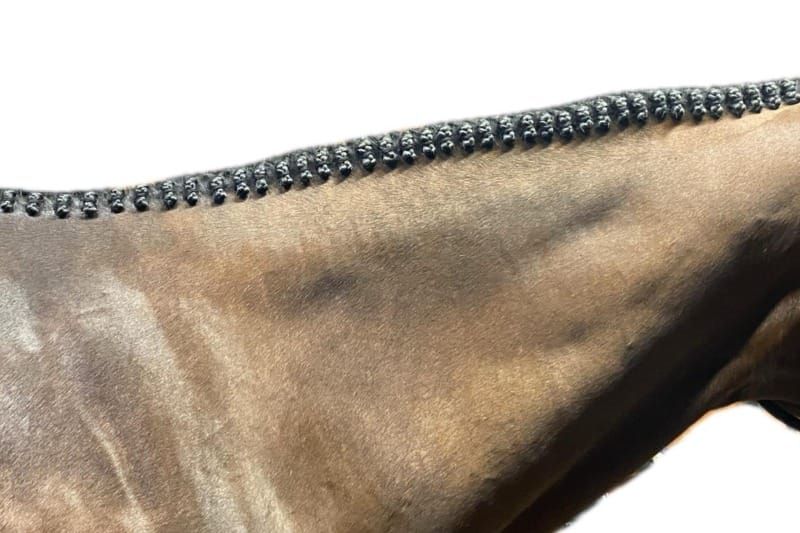
Every so often the debate arises about whether braiding should be eliminated from show hunters and equitation classes. Horse showing costs have increased considerably in the last several years, and people are looking for ways to cut back. Some people suggest that eliminating braiding is a good place to start. It too has gotten expensive after all.
Before choosing which side of the argument you land on, let’s talk about why we braid in the first place. Before there were fancy horse shows, horses were ridden by cavalry into battle. The manes were braided to prevent getting caught in branches or weapons. (Have you ever pet your horse and gotten your watch stuck in the mane? No? Just me? Well, imagine you have, and then imagine that instead of your watch it was your gun!)
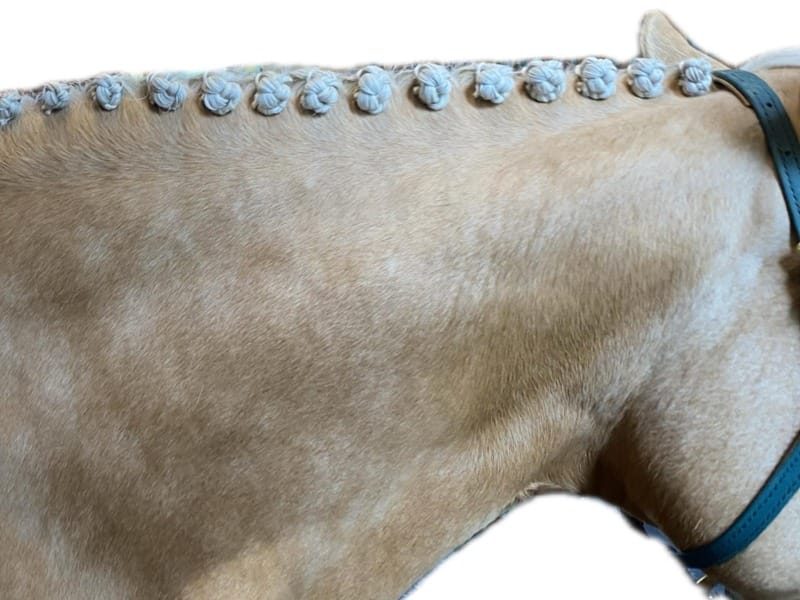
Horses are braided for fox hunting for the same reason; to keep the mane from getting caught in branches as you gallop through the woods and across the countryside. This is where hunter classes get their roots. Hunter classes were originally created to simulate fox hunting. Jumps were set on outside courses, through and around fields, and consisted of natural obstacles. Since they were modeled after fox hunters, it was expected that both the horse and rider would be turned out as they should be to fox hunt. Originally, this included braiding the mane and tail, as well as having all of the necessary appointments. Proper attire includes (but is not limited to) a hunt coat, a stock tie, tall black boots, and even a flask and sandwich case (both are expected to be properly filled). Attire and appointments have evolved over time. Appointments classes are very rarely held anymore, and you won’t see a sandwich case on saddles at most horse shows these days. They are still required for certain hunt and side saddle classes, but these are also less commonly on show schedules.
Hunter classes as we know them today have evolved along with attire. No longer held on outside courses, they are now typically a more simplified path of single jumps and straight lines along the side of the ring and across the diagonals. Handy classes and hunter derbies are bringing back the more challenging courses with roll backs, bending lines, and even trot jumps. It’s nice to see! Regardless of which type of hunter class a horse is competing in, it is still being judged on its style and performance. This is why we braid these days. Braiding is part of the style. Braids can actually help to enhance the look of a horse’s neck, making it appear longer than it might be, or thicker even.
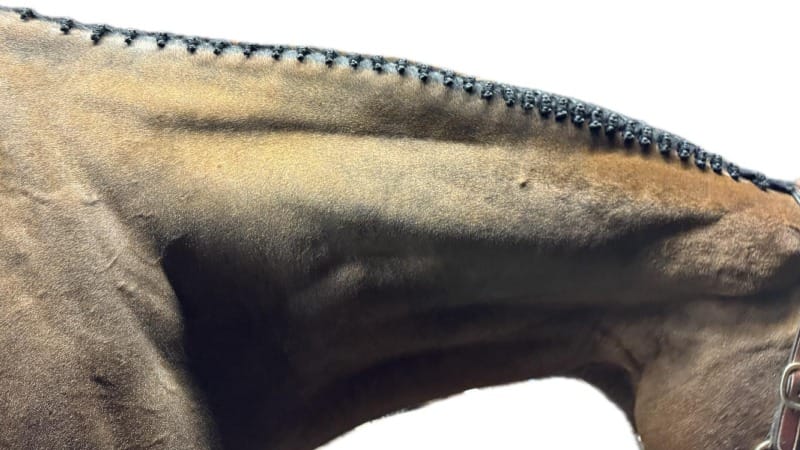
When I was growing up (a frighteningly long time ago!), I was taught that rider and horse turnout shows respect to the judges and to the sport. I’ve never stepped into the show ring without my boots shining. Even at the unrated shows where braids aren’t expected, my horse’s mane would always be tidy. By that I mean an appropriate length, even, and combed out. First impressions matter in the hunters. The best way to make a good one is to have your horse and yourself turned out to the best of your ability.
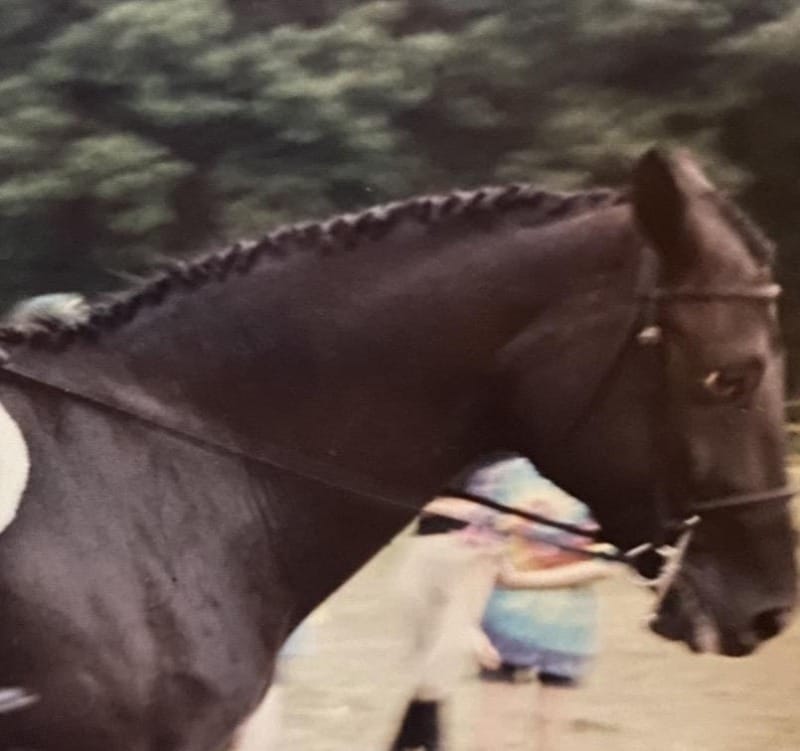
I also grew up learning to do all the things necessary for a top turnout by myself. I was taught how to braid when I was nine years old, and braided my own horse from that point forward. Believe me when I say, the braids were not good at that point! Proof:
When I was in high school and qualified to compete at indoors (the hunter version of national finals at the time), my parents surprised me by hiring a professional braider. It was a special treat for a special horse show. These days most riders hire a pro, and there’s nothing wrong with that! Being a professional braider is a pretty lucrative business without a ton of overhead, but it’s not an easy lifestyle. It involves a nomadic life following horse show circuits, working overnight and sleeping during the day, and having to be on your feet on a step ladder for often times 12 hour shifts. All that while dealing with horses you might not know, manes that haven’t been properly prepared much of the time, and all kinds of weather.
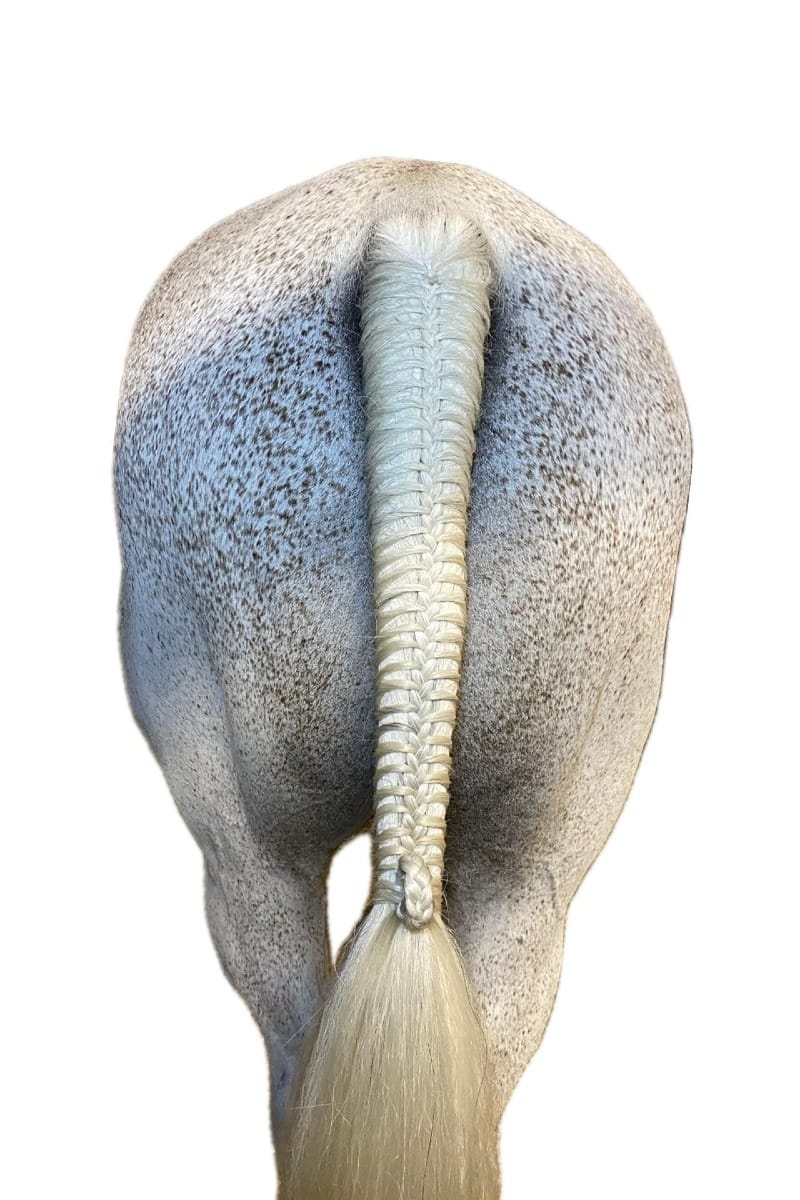
To me, eliminating braiding would be a big loss to the hunter horse show industry. First, showing up at an important venue to show off your horse’s style with his mane loose, just seems like you’re there to practice. A dancer wouldn’t turn up at a dance competition in gym clothes, right? Or with no makeup or hair done? It’s telling the judges this isn’t that important to you.
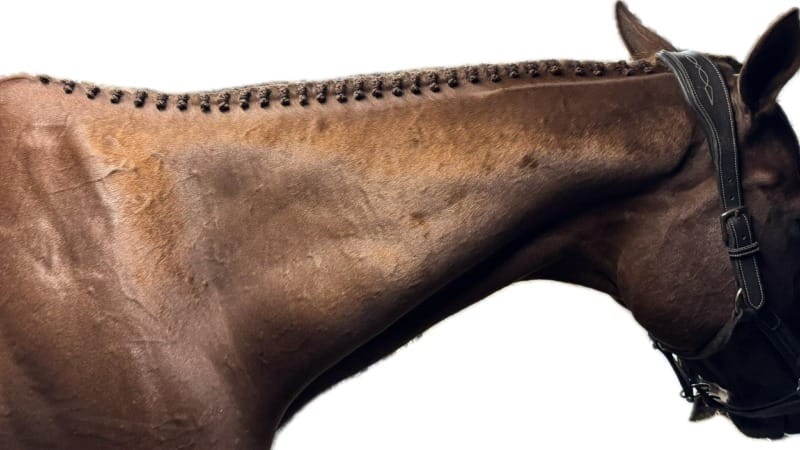
Next, it for sure takes away from the traditions of the hunter ring. Horse showing is very much about tradition, it’s why we still dress the way we do. Maybe as we get farther and farther away from where our sport comes from, that tradition matters less to people. That is sad to me.
Lastly, at a time when just existing in the world is very expensive and difficult, eliminating an entire career path seems pretty cruel. Braiding is a very specialized field. It takes years to get good enough at it to be able to do it professionally. Imagine just putting all of these hard working people out of work? It’s not a skill that easily translates anywhere else. All of that to save the smallest fraction of what is being spent to horse show, just doesn’t make sense. Especially given that if one wanted to save that little bit of money, they could learn to braid themselves. Of course there are people with limitations who aren’t able to braid, but the vast majority of people riding and showing horses could braid a mane if that savings really meant that much to them.
Anyway, that’s where I stand. But what about you? Do you think braiding is antiquated and unnecessary? Let’s talk about it in the comment section!
Sources
THQ Team