
For Better or Worse.... How Horse Shows Have Changed
Is change always a good thing? Read about how horse shows have changed over the years.

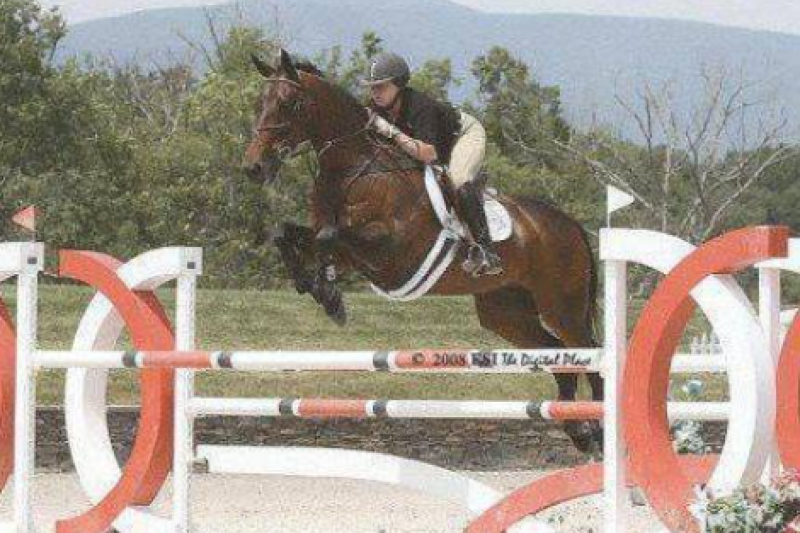
I have spent the majority of my horse show career in the USEF Hunter/Jumper/Equitation world. Watching how horse shows have changed since 1982 has been quite the ride, no pun intended. Of course everything is considerably more expensive now, and there are office and miscellaneous fees for days. That probably deserves its own blog, but also ties into this one.
An interesting point to consider is how much the class offerings have changed over the years at USEF rated shows, along with why that has happened. Growth and evolution require change, and many things have probably evolved for the better. This has likely happened in most, if not all disciplines and their competitions. Horse shows have gotten extremely expensive to host. If you have ever been or worked for a show manager, then you understand this. Owning or renting venues, along with their maintenance and prep for events is not cheap. Hiring officials like judges, stewards, and course designers is also expensive. In addition, there are large costs associated with show staffing needs including the horse show office, ring crew, in gate personnel, EMT, hospitality/exhibitor events, marketing, food & other vendors (many have day fees), ribbons, prizes, clean up crew and more. Some shows rely heavily on volunteers, and others have more paid staff. Either way, it takes a village to host a successful competition.
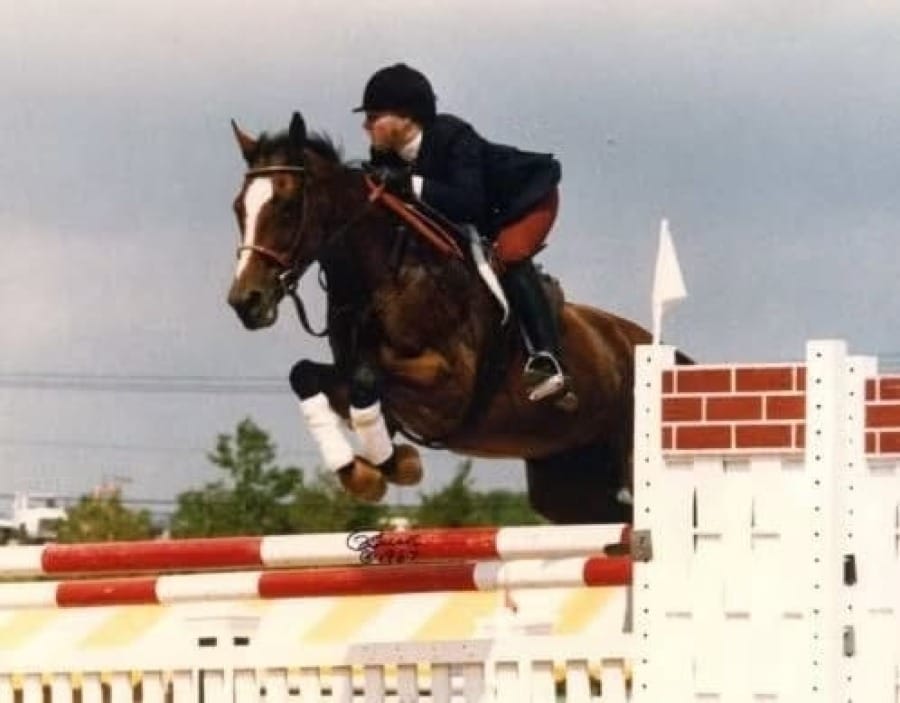
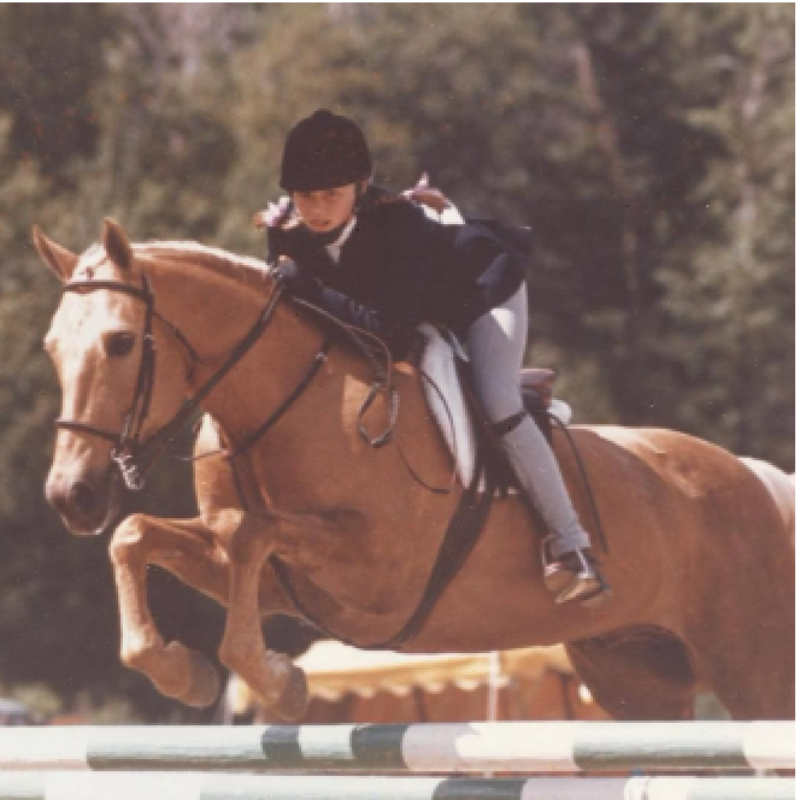
While there are many people now complaining about how USEF shows are only for the elite few and the average rider may be priced out of even doing them, the target market for USEF rated shows is actually much, much larger than it once was, based on rider and horse levels. I grew up competing in the Children’s Hunters in the early/mid 80s and then my Big Eq/Junior career was from 1986-1990. Back in that time frame, if you were not jumping 3’ courses for hunters and equitation, aside from showing ponies and maybe the Maiden/Novice/Limit Equitation (available at some rated shows), there were NO classes for you at USEF rated shows. If you competed in the Special Children’s or Special Adult Hunters at 2’6”, or lower random divisions at 2’-2’3”, your only option was to show at schooling or unrated shows. If you were a professional, you showed in the 3’ Pre-Green Hunters and moved up from there. The Low Hunter Division, often used for a warm up, was a 3’ Division. There were no Low Hunter or Schooling Hunter classes with multiple height options starting at 2’3” or 2’6”. Baby Greens were also not a regular thing, so if you had a young, green horse, you showed at unrated shows until you were ready to show in the 3’ Pre-Greens.
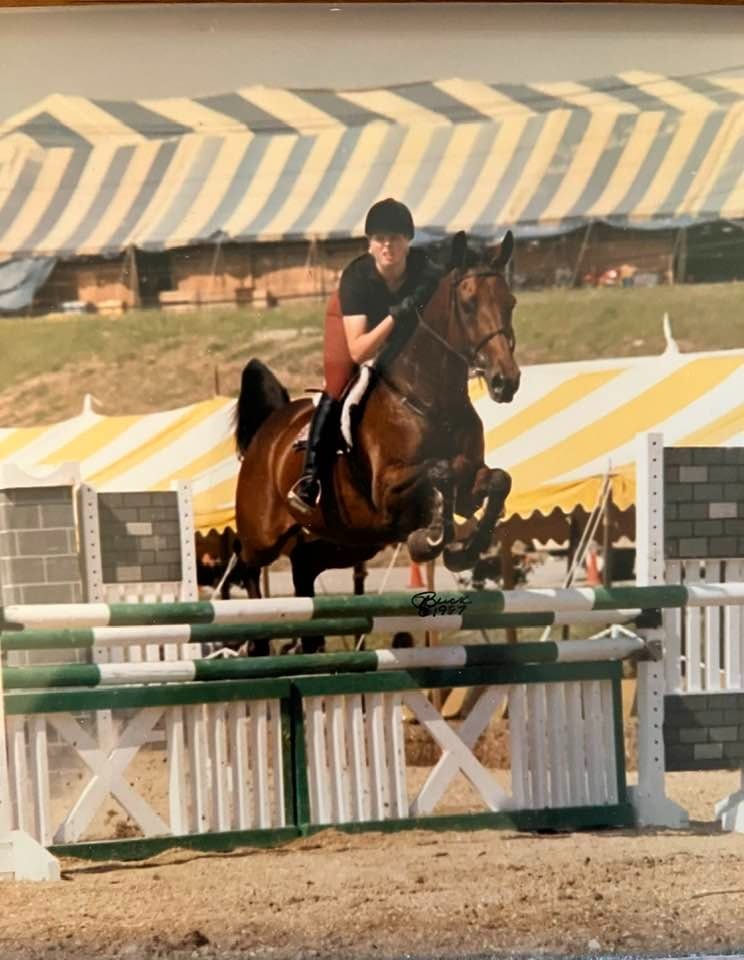
If you were a jumper rider, there was a Schooling Jumper Division at 3’6”. This division was used as a warm up for jumper riders and Big Eq riders. From there, you had to jump 4’6” in the Jr/AO Jumpers if you were a junior or amateur, and that height or higher as a professional bringing a horse along in the Preliminary, Intermediate and Open Jumpers. Jumper classifications for the professional divisions were all based on the amount of money won by the horse. The Children/Adult Jumper Division at 3’6” was not a thing. Pony Jumpers did not exist. All of these divisions that offered Low/Medium/High section options now… were also not a thing! I was showing in the 4’6” Junior Jumpers at 14 years old. If I had not been ready, there would have been no jumper class options for me!
In the later 90s, the low/high options started surfacing in the Jumper ring. I became a USEF professional in 1995, and remember showing my young horse a few years later in the Low Preliminaries which usually topped out at 4’3” and the High Preliminaries which topped out at 4’9”. Then the 3’6” Children/Adult Jumper Division got popular for amateurs, eventually also having low/medium/high options. The Pony Jumpers followed. More professional divisions also emerged and eventually the “Levels” were defined. These were classes open to both amateurs and professionals based on fence height alone, not money won, and they existed at all the heights from 2’9” up to the Grand Prix level. Soon after that, measurement in the US followed what Europe was already doing and used metric for the Jumpers. (We still use feet in the Hunters & Equitation).
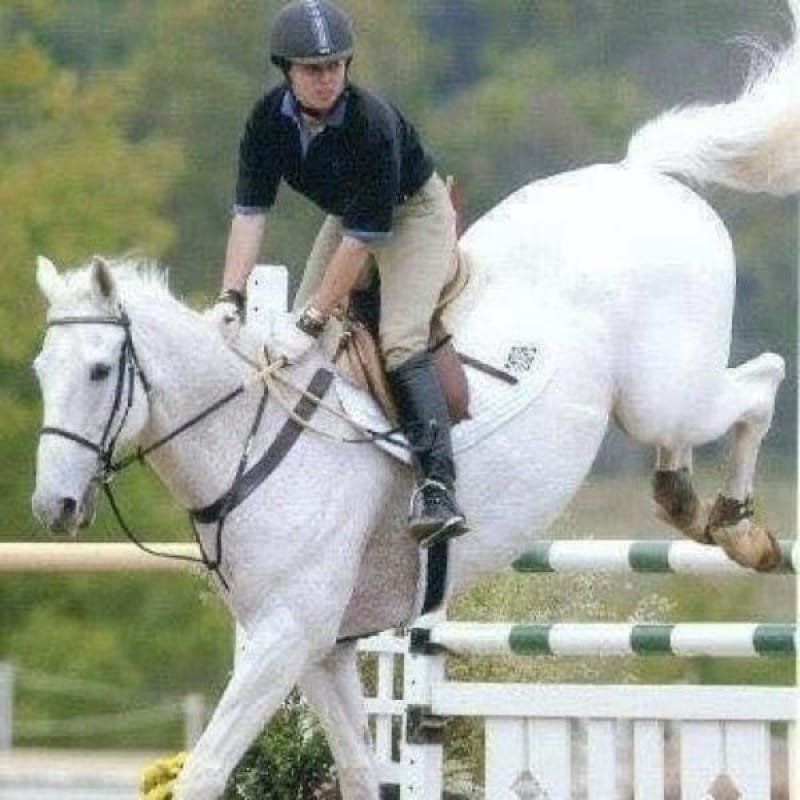
Why did this happen? Many will argue that it all had to do with money. With hunter, jumper and equitation class offerings at ALL the heights, starting as low as 18”, the USEF horse show world grew to offer something for everyone, regardless of their riding level (IF they can afford it!). Whether they are rated classes or unrated classes held at rated shows (this was also a change over the years), these “lower level” classes are absolutely money makers for the horse shows. Some feel this is a negative thing and criticize show management for being all about money. There are also complaints about how it has watered down or dumbed down the quality of shows along with the skill level needed to compete. These people feel that maybe riders should not be competing at these rated shows if they are only capable of doing the little divisions and fence heights. Others feel it’s a necessary thing so that horse shows can continue to exist.
Personally, as a USEF professional, I do follow the logic of it “watering down” the skill level needed to compete. I have attended several course design clinics where the course designers emphasize all the things they have had to consider over the years with the emergence of the smaller fence height jumper divisions. Because the jumps are small, riders make some scary choices involving speed and turns that they cannot do over higher jumps. It gets a little out of control in the Children/Adult Jumpers and the Pony Jumpers from a safety standpoint. For example, many course designers will NOT put a combination coming toward home (the in gate) in a Jump Off in one of these smaller divisions, because the riders are not technical enough. They just flat out run around the jumps, increasing the risk of leaving out a stride resulting in a crash in a combination galloping toward home. As a trainer, it’s scary to watch the little jumper divisions. I always tell my students I would rather them be 2nd with a well ridden Jump Off and make decisions AS IF the jumps were higher, than be 1st and fastest running around the jumps and scaring everyone who is watching!
What I do appreciate though, is the fact that these lower divisions provide a place for MANY more horses that did not necessarily have a niche before. There are a lot of great ponies that enjoy jumping the jumps, but are not fancy enough or appropriate to show in the Pony Hunter Division. They CAN however excel as Pony Jumpers! Same argument for the lovely horses who are happy at 2’-2’6” and enjoy horse showing. They have a place to compete at the “nicer”, rated shows with good footing, good judges, well designed courses and nice stabling. Many of these horses end up in nice show homes getting great care because they have a place to compete at the rated shows. It’s hard to say where they would all be otherwise.
Additionally, there has always been a lot of comparison of shows in the US to shows in Europe, specifically for show jumping. People seem to feel that Europe has proven more effective in keeping their stands full of spectators at equestrian events. People always complain in the US about how the stands are empty. European competitions do a bit more for their sponsors and make a bigger deal out of ribbons & award presentations. They always take the time for a photo op with the sponsors. Shows in the US that used to do a lot of this now often have exhibitors picking up ribbons at the ingate rather than stopping the show ring for awards to be given out there. Again, it’s faster NOT to, when you have so many classes to get through in a day. The Syracuse Invitational Sporthorse Tournament, which ran for 8 years in the early 2000s, was an exception. John Madden, the show’s founder, made a point to make it a spectator and sponsor event. The stands were full and every class felt a little more special.
The rise of online horse show streaming is another factor that has influenced spectator attendance in recent years. The stands have gotten even MORE empty at competitions because so many shows can be live streamed now. On one hand, it’s disappointing since this does not encourage people to actually attend. On the other hand, it allows for a much larger audience than was ever possible before.
I think awareness is key. It’s important to pay attention to what changes and why it changes in the horse industry. If you are a Hunter/Jumper rider, what do you think about what we’ve seen happen in the horse show world over the years? What changes have riders from other disciplines seen in their part of the competition world? Join TurnoutHQ so we can continue the conversation about this and many other great topics!
Sources
Written by: Amy E. Sherrick, MBA