
Preparing Your Barn for Winter: A Thorough Checklist for Horse Owners
Start preparing for winter early this year!

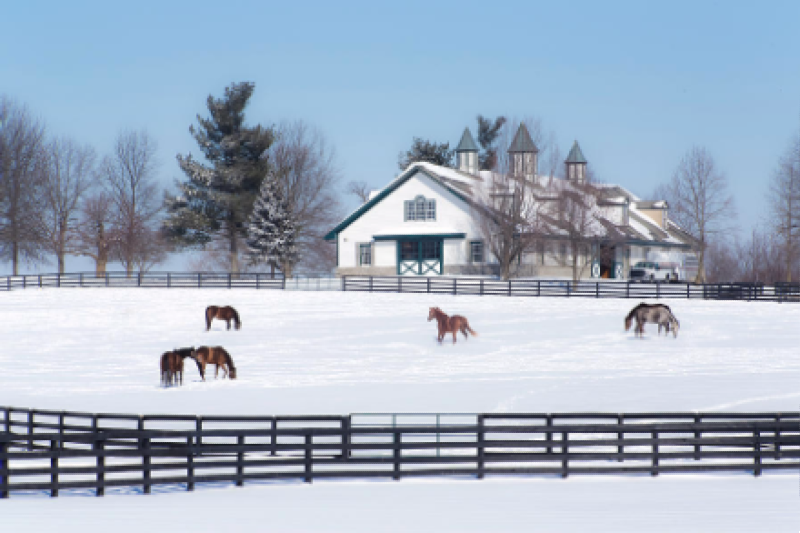
As autumn settles in, it’s essential for horse owners to begin preparing their barns for the long, cold winter ahead. A well-prepared barn means safer, healthier horses, and far fewer emergencies when the snow flies. Taking time in the fall to inspect, repair, and plan for the season can eliminate a lot of stress once temperatures drop.
1. Stock Up on Hay and Bedding
One of the first steps in your winter barn prep should be making sure you have adequate supplies of hay and bedding. The availability of both hay and bedding can often decline sharply in mid-winter. Ideally, you should store enough hay in the fall to last until the next year’s first cutting. If that’s not possible, identify a supplier who is willing to deliver on short notice, even in bad weather.
Similarly, stockpile enough bedding to carry you through the entire season. Running out in the middle of a snowstorm is something no one wants to deal with.
2. Inspect and Repair the Barn Structure
Before the first freeze, perform a detailed inspection of your barn’s exterior. Look for loose boards, missing shingles, broken windows, or any area where drafts might sneak in. What seems like a minor issue in the fall can become a major structural or insulation problem in a storm.
If you own an older barn, pay special attention to areas where air leaks. While newer barns may have built-in roof ventilation, older ones might not; this means drafty doorways or gaps could seriously contribute to heat loss. Still, even in draft-prone spaces, you’ll want to preserve good airflow to protect your horses’ respiratory health.
Also check all hinges, latches, doors & tracks and maintain as needed before snow and ice arrive.
3. Winterize Your Water Systems
Frozen water can be a serious risk, not just for convenience, but for your horses’ health. Have a plumber check your indoor and outdoor spigots, automatic waterers, and frost-free pumps. Make sure everything is insulated, functional, and ready for sub-zero temperatures.
Consider installing heated waterers, heated buckets, or even in-pasture trough heaters if you live in a particularly cold area. These make a big difference in keeping water consumable for your horses when they most need it. Pay close attention to the instructions and check things regularly as not to cause a fire hazard.
Don’t forget to drain and store your hoses, letting them remain connected leaves them vulnerable to freezing and cracking.
4. Ensure Electrical Safety
Winter means heaters, lights, and possibly more power usage than usual. It’s wise to have an electrician inspect your entire electrical system in the barn. Older wiring or outdated systems can present a serious fire hazard.
If you use space heaters in a tack room or elsewhere, be very cautious. These devices should never be left unattended, and many experts recommend banning them altogether due to the fire risk.
A backup power source, like a generator, is also essential. If your power goes out during a big storm, you still need to keep water flowing (or at least accessible) so your horses don’t go without for too long. If you have a generator or use propane for your heat source in the barn, keep an eye on your propane levels to be sure you don’t run out.
5. Winter Apparel Check
Don’t wait until the first snow to think about your horses’ blankets. Pull all turnout blankets, sheets, and stable rugs out of storage, inspect them, and send them for cleaning or repairs if needed. Make sure everything fits properly; an ill-fitting or damaged blanket can do more harm than good.
It’s also smart to have at least one extra turnout sheet on hand in every size you need. That way, if one blanket gets wet or damaged, you can layer appropriately or switch to a dry, warm alternative quickly.
Consider rewaterproofing your turnout blankets and sheets before winter!
6. Create a Snow-Removal Plan
Snow and ice can put your winter care routine in serious jeopardy if you're not prepared. Practical Horseman strongly recommends putting together a comprehensive snow-removal strategy. This plan should cover not just driveways, but all the paths that people and horses use to move around. Make sure your gates and barn doors don’t get blocked.
If you remove snow yourself, make sure all your equipment (plow, shovel, snowblower) is in a ready-to-go spot. Keep several bags of ice melt handy near gates, barn entrances, and walkways so you’re not walking over treacherous surfaces. Magnesium Chloride is pet safe and very effective for ice melting.
It is not uncommon to see barn roofs cave in from heavy snow & ice issues. Have a plan for clearing snow off the roof as needed.
If you’re using an outside contractor, line them up before the winter hits. Make clear that, no matter how brutal a storm is, access to horses for care must be maintained.
7. Improve Ventilation Without Sacrificing Warmth
Good barn ventilation is critical in winter. While your instinct might be to seal everything tight to keep heat in, your horses still need fresh air to reduce moisture, ammonia buildup, and respiratory problems.
If possible, open barn doors or windows on milder days. If your barn is newer, it may already have roof vents to help circulate air even when doors are closed. Keeping stale air moving out and fresh air in, even in cold weather, helps protect the health of your horses.
8. Fire Safety Measures
Winter poses a greater fire risk in barns. Aside from getting an electrician to inspect wiring, make sure you have working fire extinguishers and a clear fire-safety policy. As noted, space heaters should be ideally not used at all. Unplug coffee makers, vacuums, battery chargers, clippers and anything else that’s not needed when everyone leaves the barn for the night.
9. Emergency Supplies & Plan
Power outages and heavy snow can cut off access to your barn or compromise your ability to care for your horses normally. To prepare, keep:
- A generator, if possible
- Flashlights and extra batteries
- A first-aid kit
- Several large containers of water stored inside, in spots where they won’t freeze
- Extra hay, feed, and bedding for emergencies
Also, designate a trailer or escape route that remains plowed if you ever need to transport a horse in an emergency.
10. Rodent and Pest Control
Rodents love a cozy barn during winter. They’ll chew electrical wires, contaminate feed, and make nests in bedding or hay. Seal up any openings and cracks in foundations, gaps around pipes, or other holes larger than a quarter inch.
Store grain and feed in rodent-proof containers. Use traps (preferably not poison in a place accessible to horses), and keep your barn clean and clutter-free to reduce hiding spots. Adopt a barn cat!
11. Final Walk-Through Before First Freeze
Once your repairs are done, supplies are stocked, and your snow plan is in place, do one more round of checks:
- Walk the barn interior looking for any remaining damage or drafty spots.
- Open and close all doors to ensure nothing freezes shut.
- Test water systems, heaters, and backup power.
- Confirm that your emergency and snow-removal plan is written, communicated to everyone who cares for the horses, and ready to implement.
Why This Prep Really Matters
Winter barn prep isn’t just busywork, it’s a risk-management exercise. The cost and effort you put in ahead of time dramatically reduces the chances of a power-outage crisis, frozen water lines, or structural damage happening mid-storm. As Practical Horseman notes, skipping repairs or inventorying your supplies early in the season can transform small problems into emergencies when winter is fully underway.
Moreover, proper ventilation, fire safety, and rodent control aren’t just conveniences, they directly impact your horses’ health and safety. Well-ventilated barns lower the risk of respiratory issues, and a solid fire plan can save lives and property.
Final Thoughts
Preparing a barn for winter is a substantial task, but it’s one you won’t regret doing early. By following a checklist that includes checking your structure, plumbing, electricity, ventilation, and supplies — and by having a snow-removal and emergency plan in place — you’ll ensure your horses stay safe, warm, and healthy through the harshest months.
At TurnoutHQ, we know that horse care doesn’t stop for the weather. Our platform brings together the gear, services, and community support you need to keep your horses comfortable all season long. Whether you’re looking for winter blankets, barn supplies, or trusted local professionals, THQ makes it easier to prepare, plan, and stay ahead of whatever winter throws your way.
Sources:
THQ Team
ChatGPT
https://practicalhorsemanmag.com/lifestyle/how-do-i-prepare-my-barn-for-winter/