Tips to Improve Your Miniature Horse and Pony Hunter Performance
How to improve your miniature horse and pony hunter class performance- includes example pattern book and great tips to help you along the way!

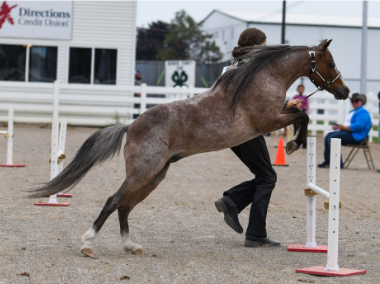
Hunter and Jumper are two popular performance classes in the miniature horse and pony world, and they are also crowd favorites! These two classes have different goals and judging criteria, this article will cover some basic tips to help improve your hunter performance.
The following tips are based on the American Shetland Pony Club (ASPC) and American Miniature Horse Registry (AMHR) class rules. Be sure to review your association's rulebook to ensure you have a clear understanding of the specific requirements.
Tips for Hunter Class
Hunter is judged on a consistent, smooth, and attractive performance. The fences are generally not set at the highest heights because the focus is on the horse's form, rhythm, and overall performance rather than how high the horse can jump.
Tip 1: Maintain a Consistent Pace
A steady, ground-covering trot throughout the entire pattern will generally make a better impression than a horse that constantly switches between trotting and cantering. Focus on finding a comfortable rhythm and maintaining it from start to finish.
Tip 2: Approach the Fences Straight
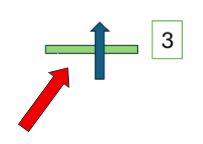
Avoid bringing your horse to a fence at an angle. Your job as the handler is to set your horse up for the best possible approach, giving them every opportunity to successfully clear the jump while maintaining a nice overall appearance. The horse's job is to take care of getting over the fence!
The blue arrow is the correct approach for this jump. The red arrow is a poor approach.
Tip 3: Give Your Horse Some Freedom Over the Fence
Allow some slack in the lead as your horse approaches and jumps the fence. Holding the lead too tightly can pull your horse off center, causing them to land at an angle rather than straight ahead. This can become a real problem when the next jump requires a straight approach. Once your horse has landed, you can always shorten the lead again to regain control and prepare for the next fence.
Tip 4: Practice Staying Straight Through the Landing
When practicing at home, always continue straight ahead after your horse clears the jump. Avoid immediately stopping, turning, or changing direction. This teaches your horse to continue forward after landing rather than anticipating a stop or turn. It also helps prevent you from accidentally pulling your horse off balance as they come down from the jump.
Tip 5: Make Your Jumps a Little Crazy at Home!
When practicing, don't be afraid to get creative and make your jumps look a little unusual. Drape a tarp or towel over the jump, or place unexpected objects underneath, such as a bale of hay. The goal is to expose your horse to different sights and obstacles so they become more confident and less likely to be surprised in the show ring.
You don't need to spend a lot of money on fancy jumps or equipment. Look around the farm! Everyday items can make great training obstacles and help prepare your horse for whatever they might encounter at a show.
Safety Reminder: While creativity is encouraged, always put safety first. Make sure any unusual objects or materials are securely positioned, free of sharp edges, and won't shift or become tangled in your horse's legs.
Any jump rail should be able to fall freely if the horse makes contact with it. Introduce new obstacles gradually, allowing your horse to investigate them before asking them to jump. The goal is to build confidence, not create a situation where your horse could get hurt.
Tip 6: Don't Forget About Your Own Position!
Your position as a handler matters. Avoid pulling, pushing, or making sudden movements that impact your horse. Practice moving smoothly alongside your horse and keeping your body language consistent. A calm, confident handler can make a big difference in the overall appearance of a performance.
Hopefully, these tips will help you improve your Hunter performance and give you a few new ideas to work on at home. Remember, great performances come with practice, patience, and consistency. Most importantly, have fun! Enjoy the time spent with your horse, celebrate the little improvements, and don't forget that the best part of showing is the experience you share along the way!
Join the conversation
At TurnoutHQ, we love seeing how you connect with others who share your passion for miniature horses and ponies! Share your photos, training tips, or before-and-after videos with the THQ community. You never know who you might inspire or what someone else might learn from your experience!
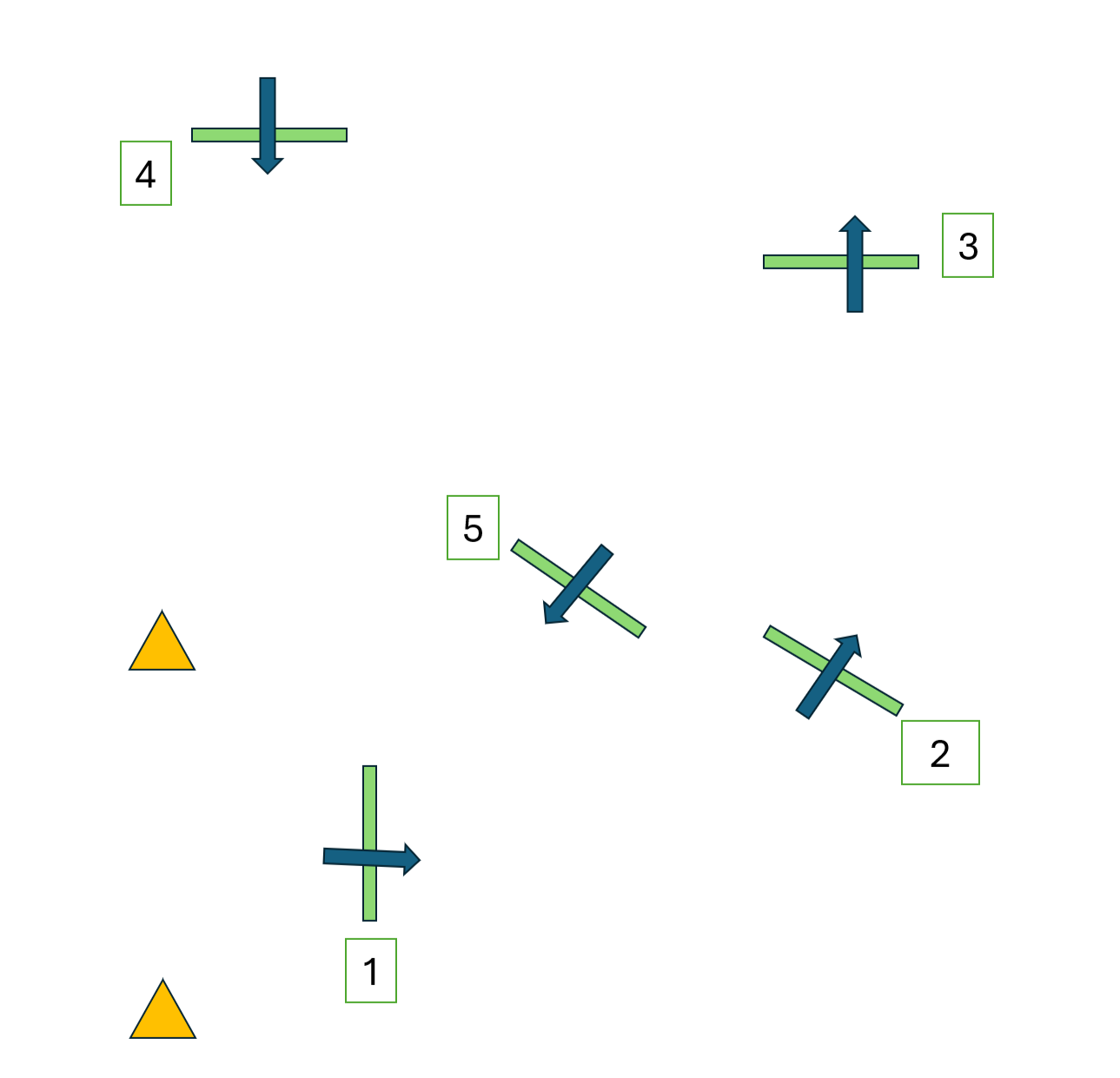
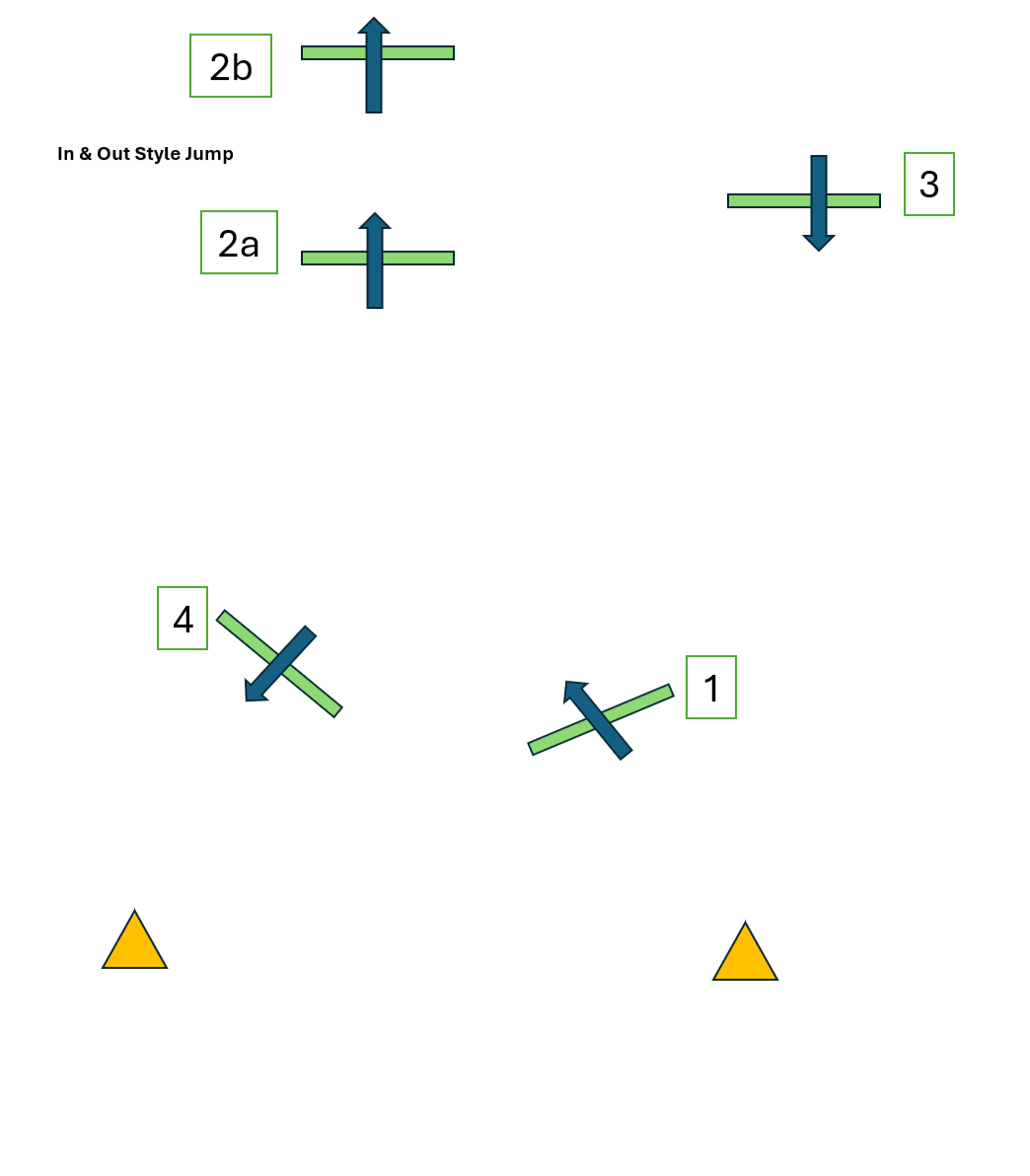
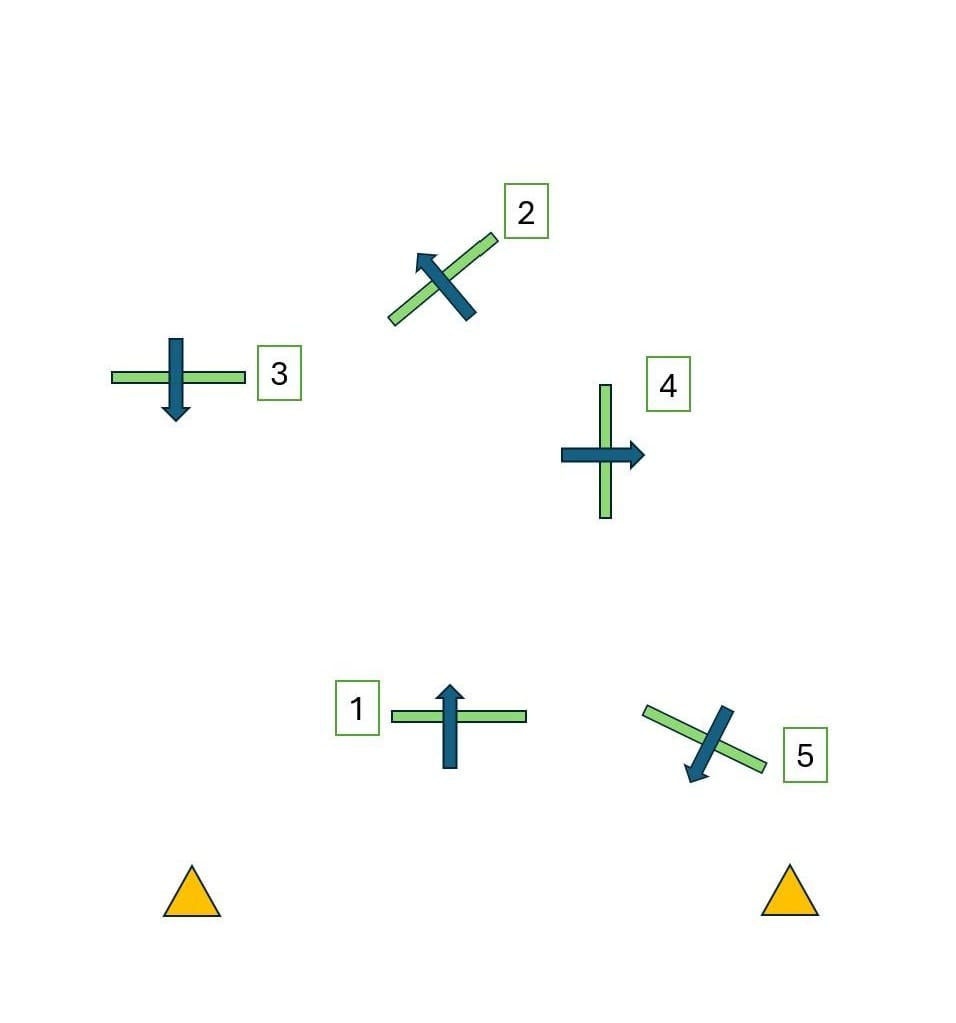
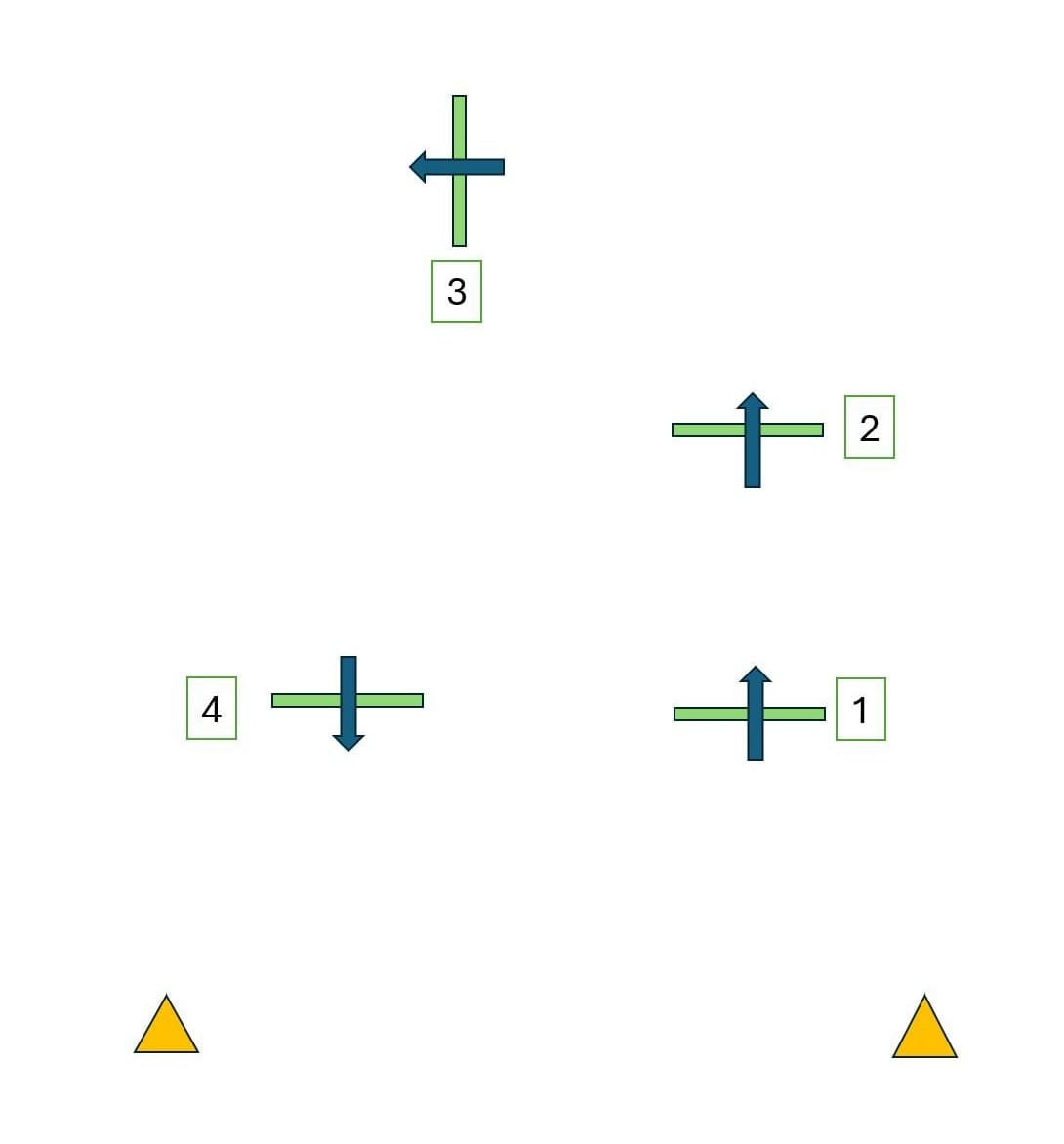
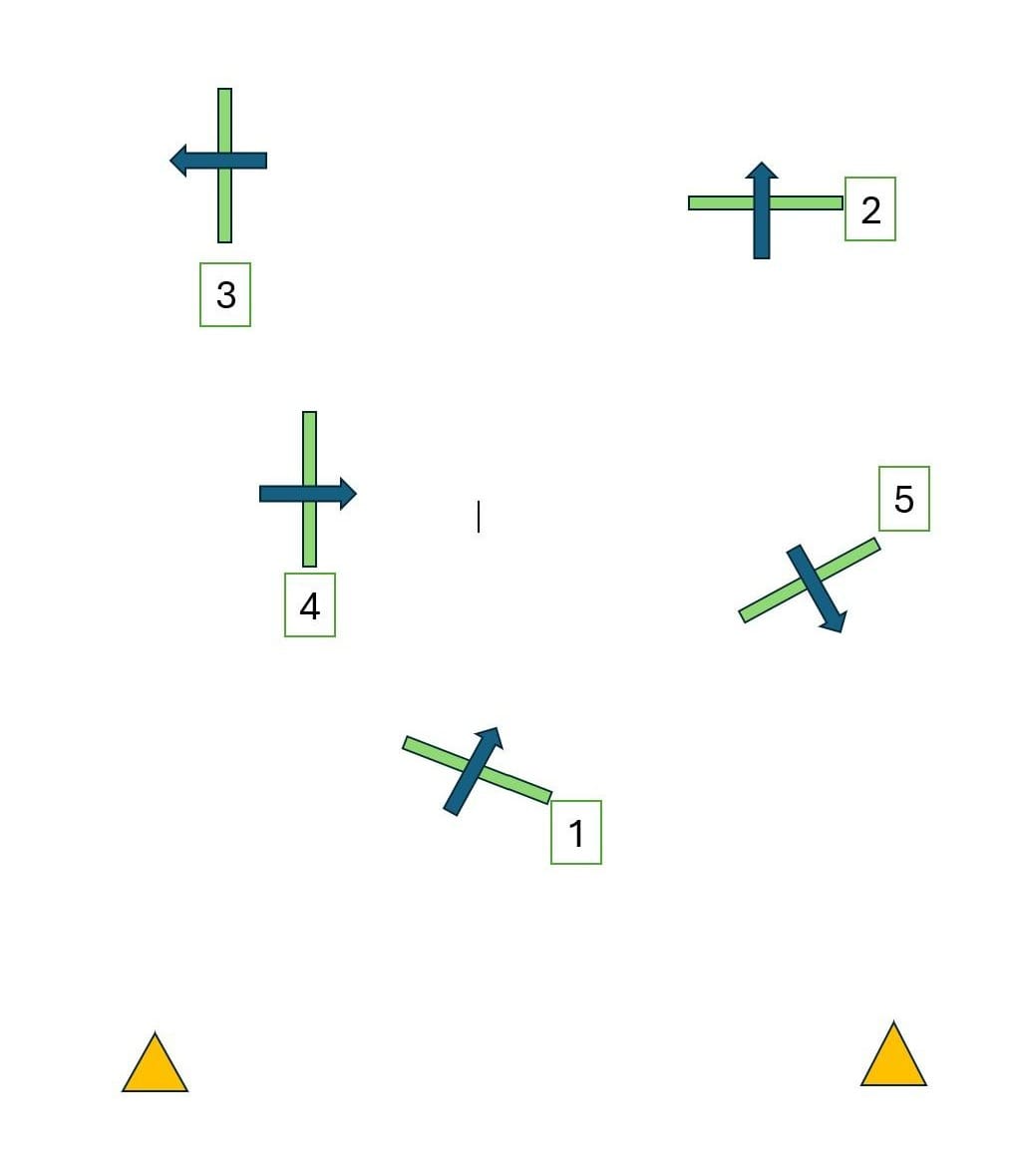
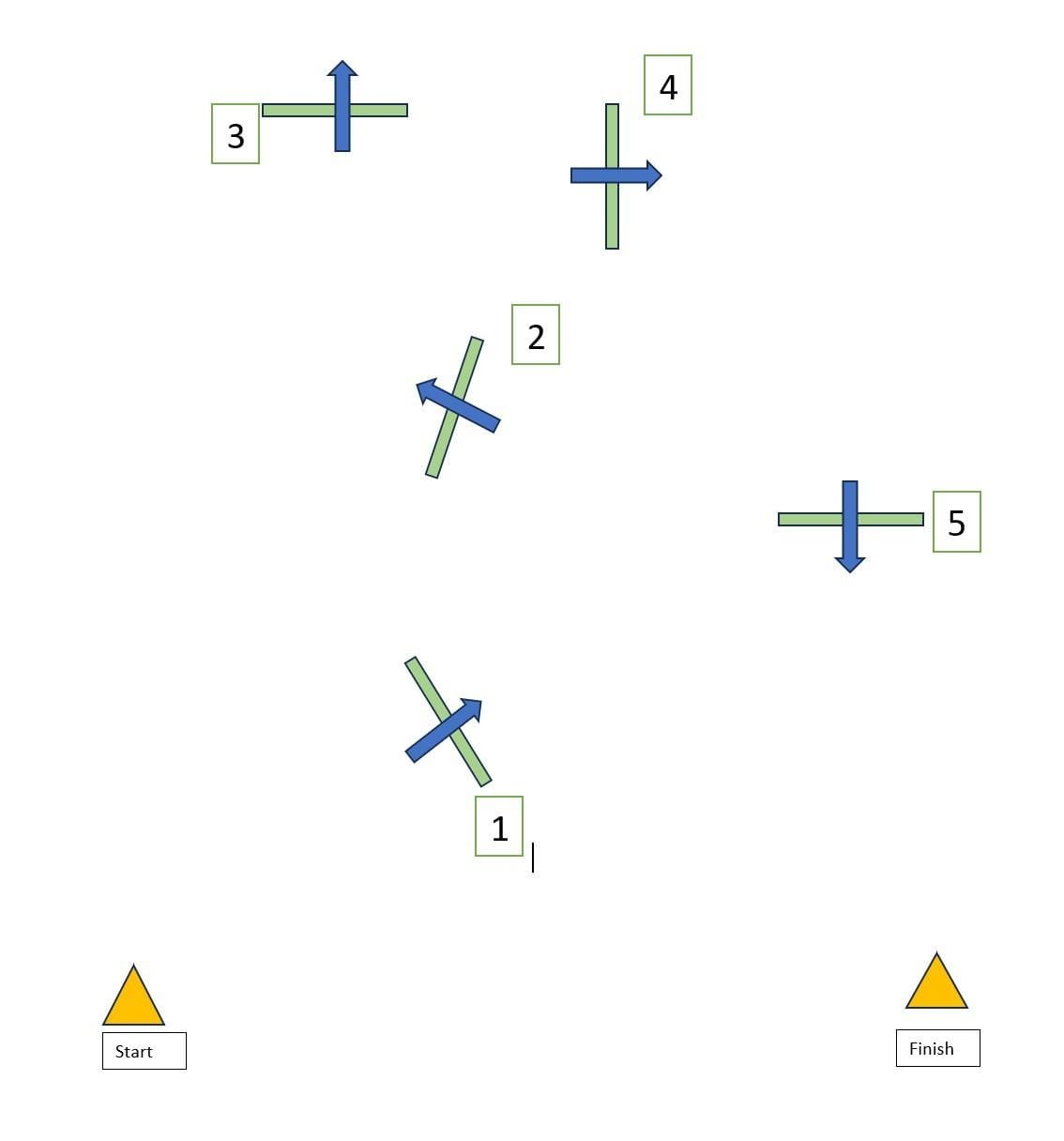
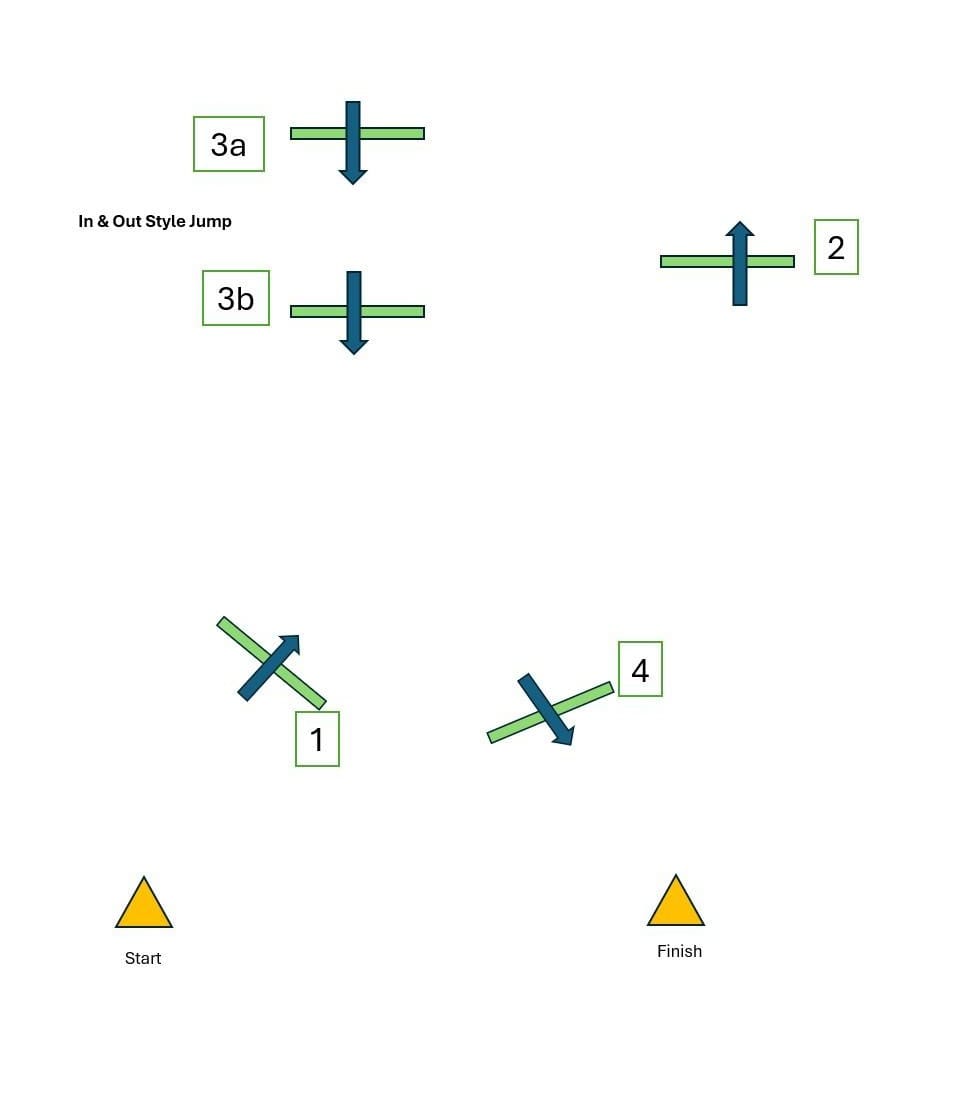
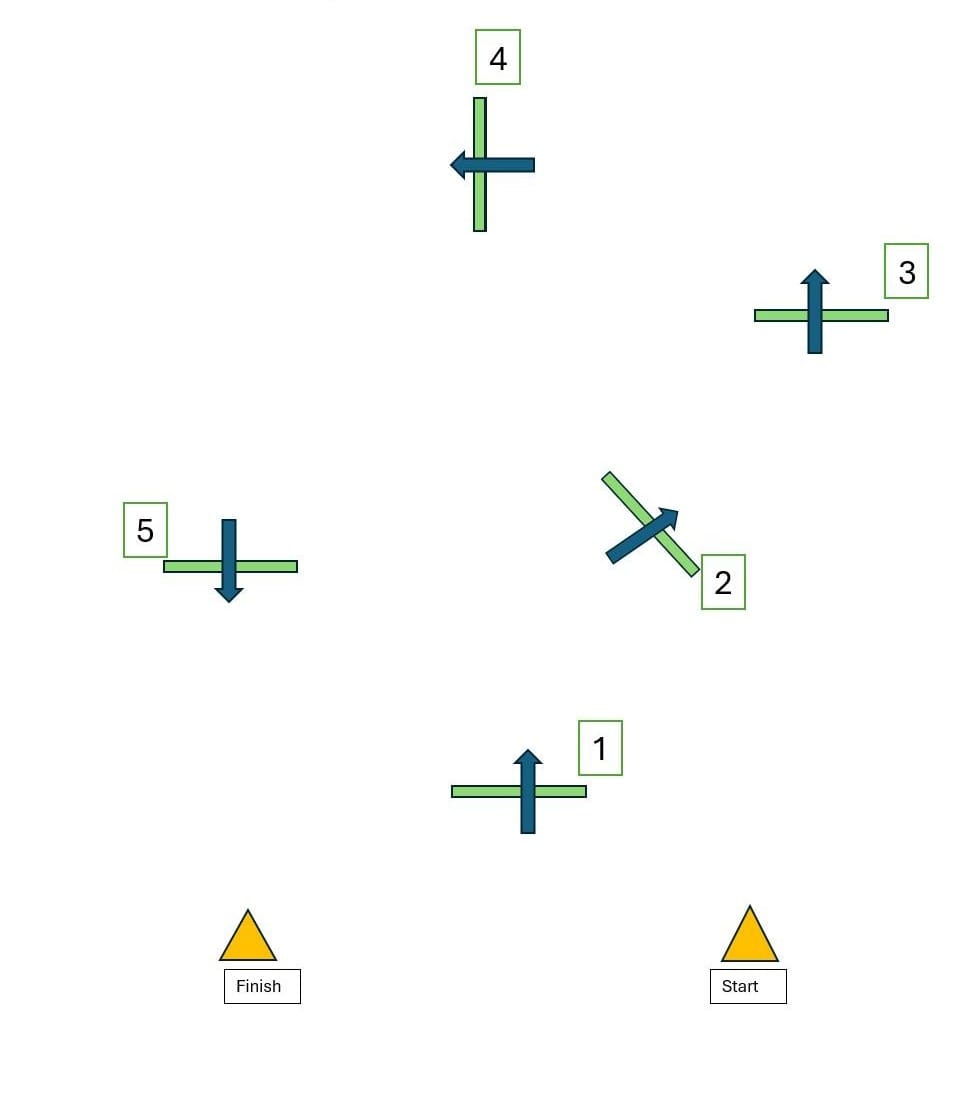
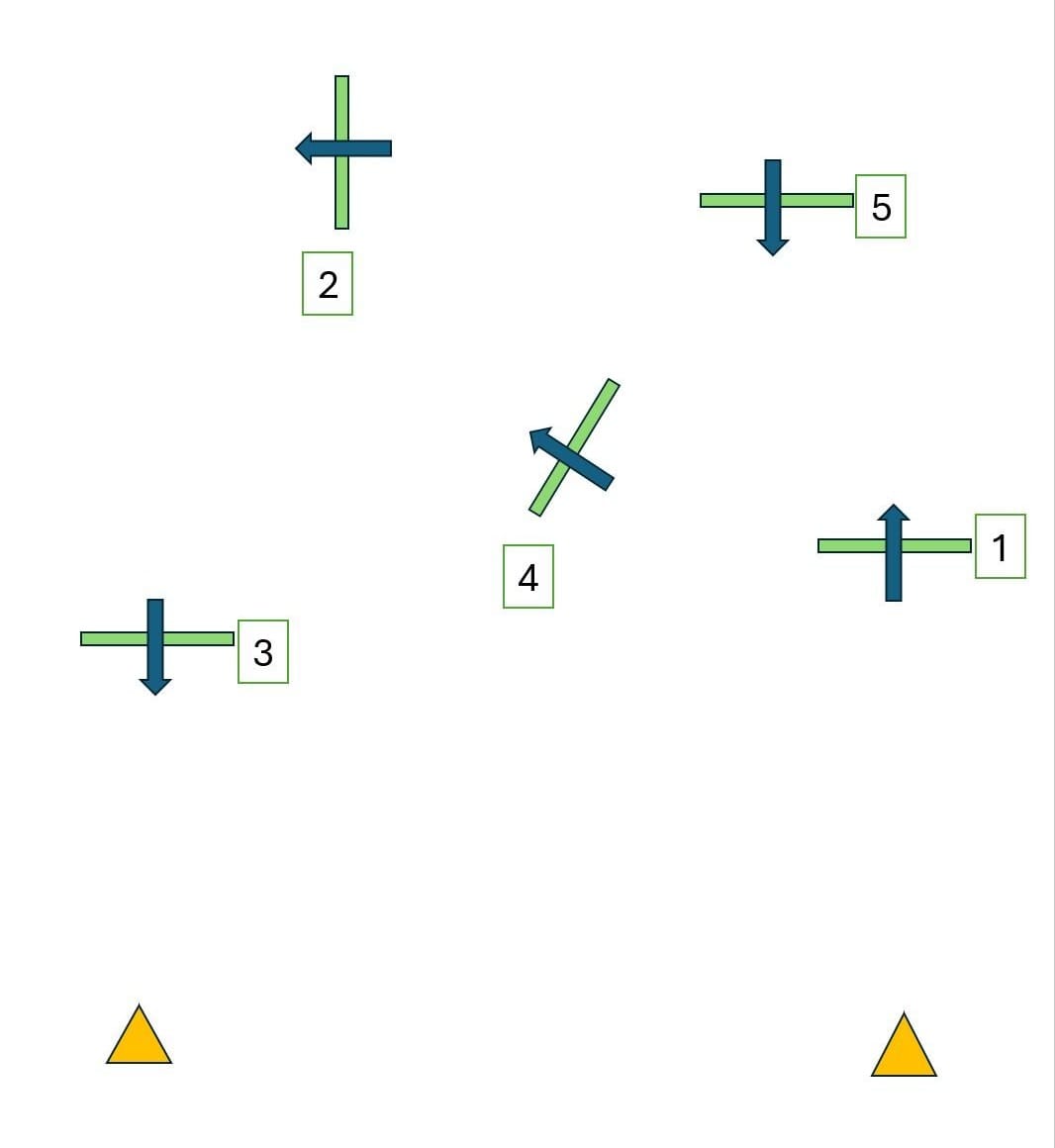
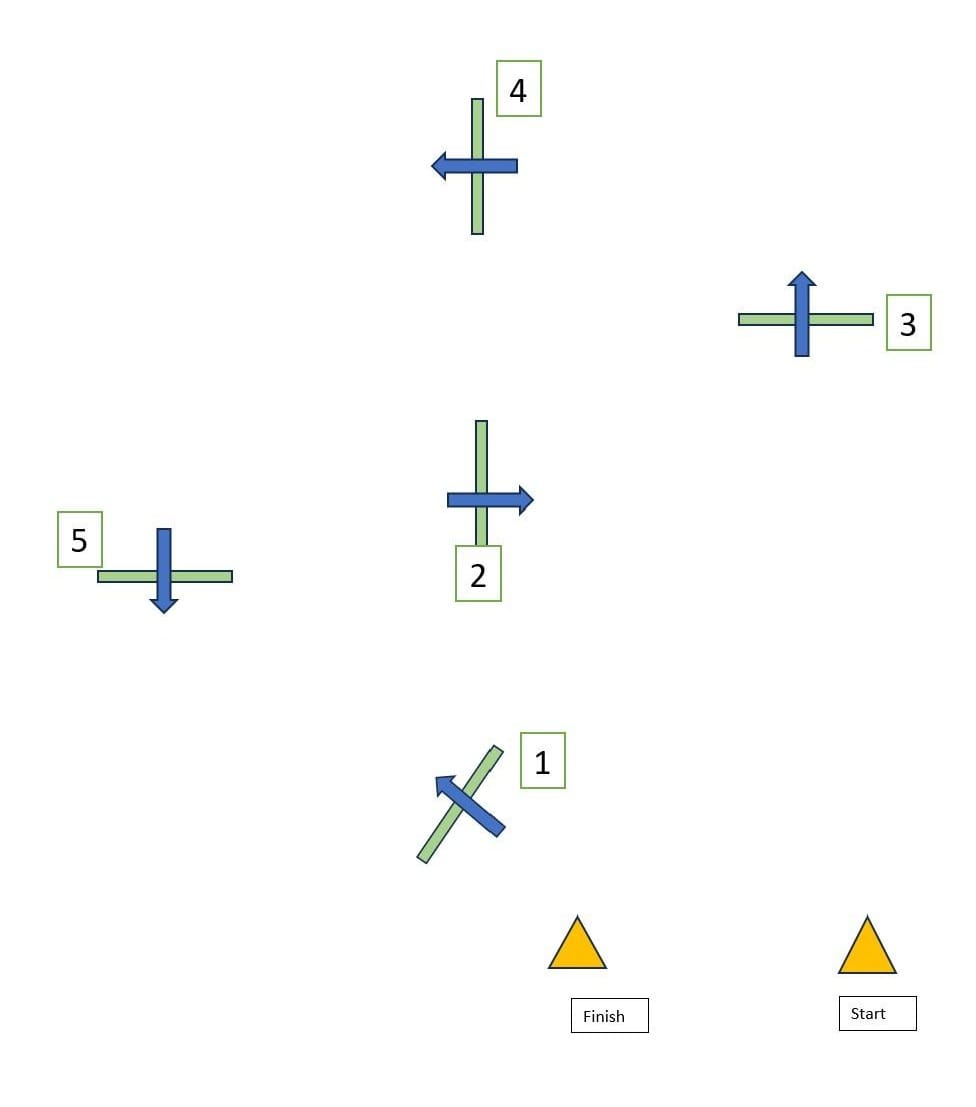
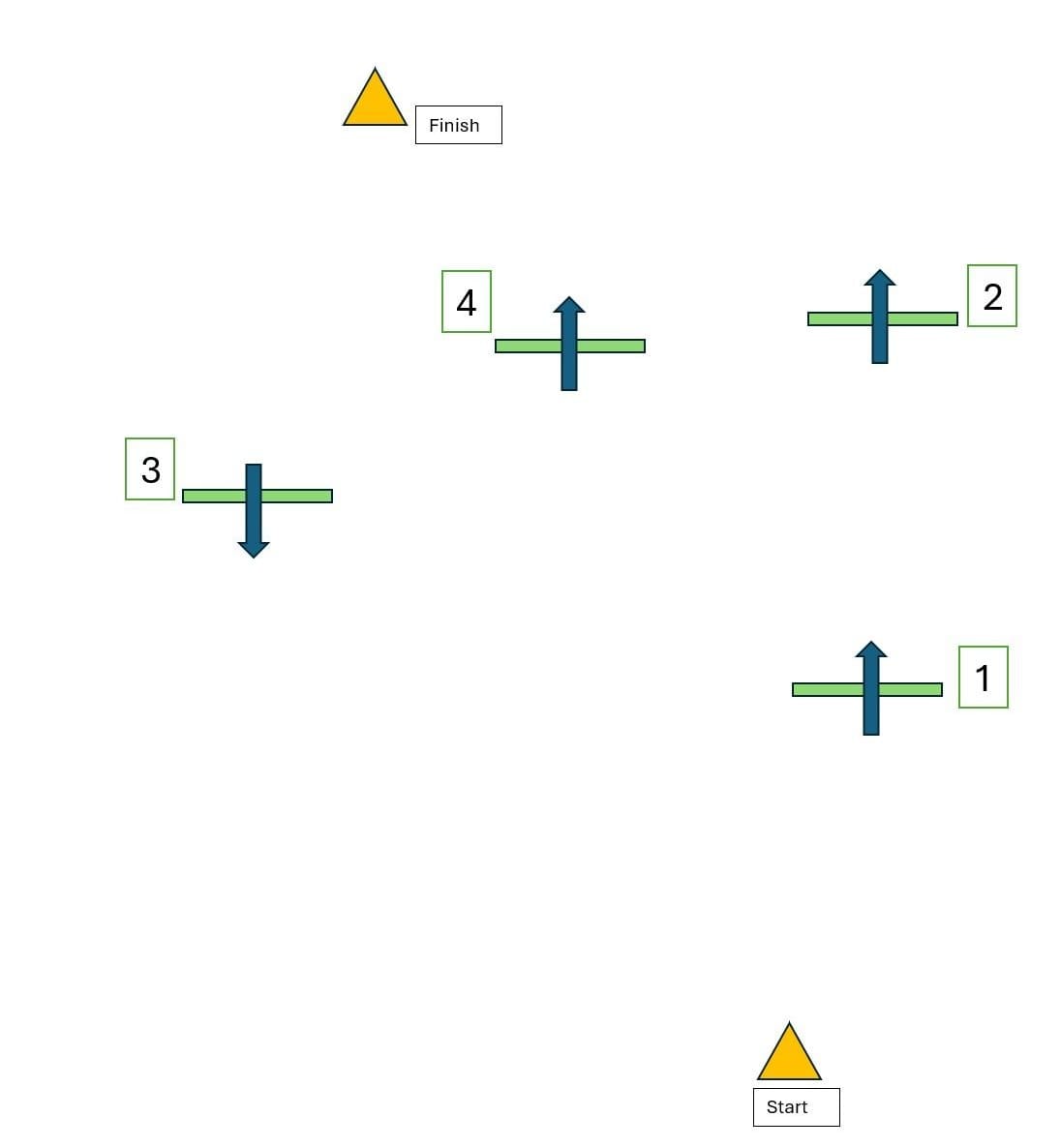
Below is a hunter pattern book that you can use for shows or practice.
Sources
Dr. Amy Wertenberger
Miniature Horse and Pony Hunter/Jumper Patterns
Developed by Stable Way Pony Farm
Use instructions: All are welcome to use these patterns for their shows or just to practice.