
Tips for Cleaning Tack
Tack looking a little tired? A clean bridle or saddle isn’t just about shine. It shows respect for your horse and helps prevent injuries or equipment failures. This guide covers why tack care matters, how to do it right, and easy tips to keep your gear in top shape.

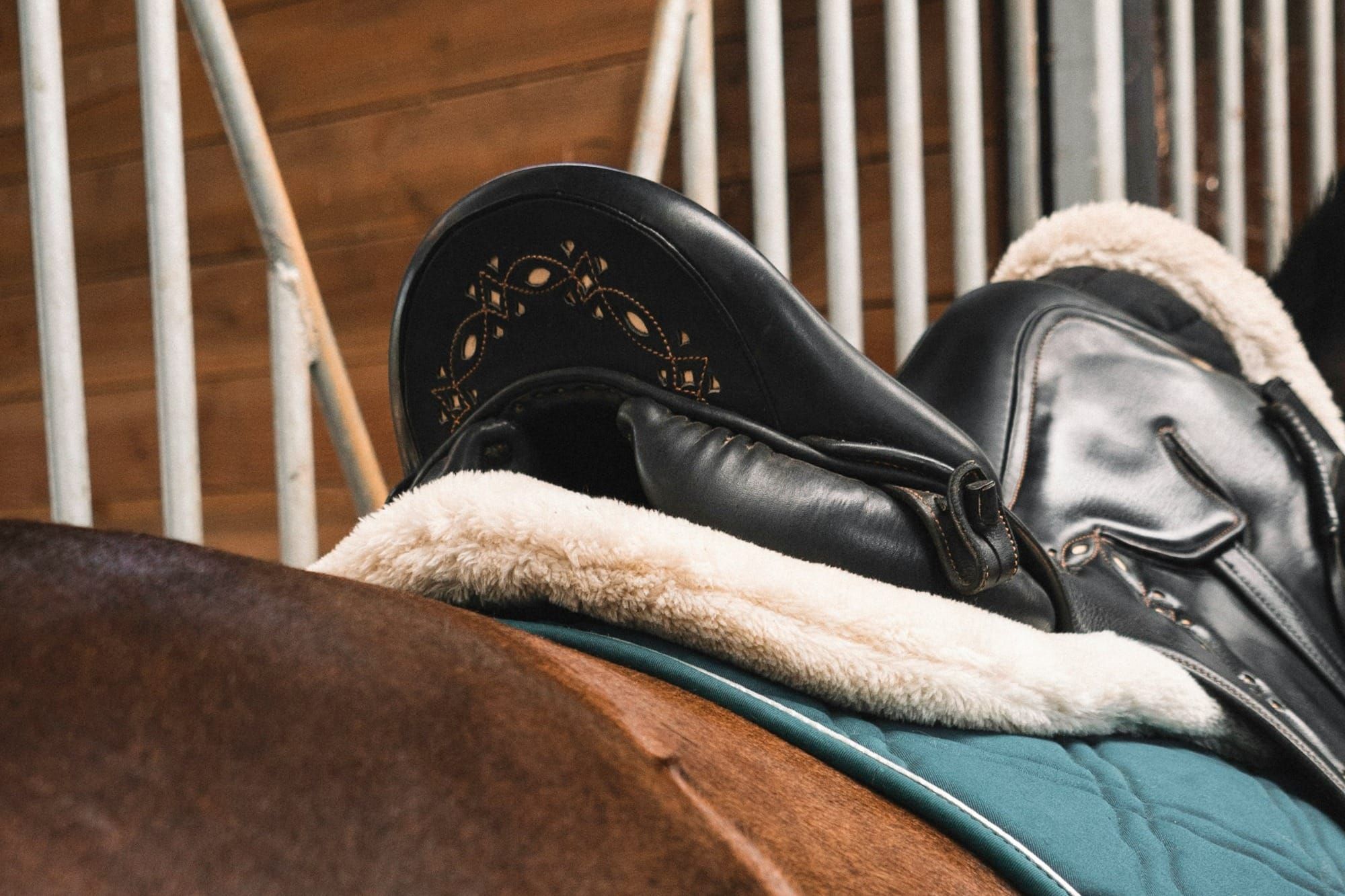
Keeping your horse’s tack clean isn’t just about aesthetics and pride in your equipment; it’s a fundamental part of responsible horsemanship. Dirty or neglected tack can cause discomfort, skin irritation, and even injury for your horse. It can also weaken leather, metal, and synthetic materials over time, leading to unexpected failures at the worst possible moment. With a solid cleaning routine, you’ll extend the life of your saddle, bridle, girth, and all the gear your horse wears. This article walks you through the process of cleaning horse tack step by step, why it matters, and how to make the job easier and more effective.
Why Clean Tack?
First, let’s talk about why cleaning is essential. When you ride, sweat, dirt, dust, and hair all build up on your tack. Sweat especially is acidic and can dry leather out, making it stiff and brittle if not removed regularly. Gradual accumulation of grime also rubs on your horse’s skin, which can lead to sores, irritation, or even changes in behavior under saddle. Cleaning gives you an opportunity to check your equipment closely. As you work, you’ll see if stitching is wearing thin, if buckles are starting to rust, or if leather is cracking. Catching these issues early can save you money and prevent accidents. A clean bridle and saddle also present a polished look, which matters especially if you show or compete.
Build Cleaning In
Before you begin the detailed cleaning process you’ll want to make cleaning part of your regular routine. Many riders choose to do a quick wipe down after every ride. This simple step removes sweat and surface dirt before it has a chance to embed deep into the leather. It only takes a couple of minutes, and it dramatically reduces the effort you have to put into deeper cleaning sessions. Quick post-ride care includes wiping off bits, reins, and the underside of the saddle, particularly where your horse sweats the most.
The Full Clean
Once you’re ready for a fuller clean, start by preparing your tack. Choose a space with good light and a clean surface. A tack room bench is ideal, but a flat table or saddle stand outside on a calm day will work too. Gather a bucket of warm water, a soft sponge, and a couple of cloths. Use a slightly damp sponge to wipe away loose dirt first. Leather doesn’t like to be soaked so make sure the sponge is just damp rather than dripping wet. Too much water can stretch and damage the hide.
Metal
Next, address your bit and metal components. The bit in particular should be cleaned after every ride because it contacts your horse’s mouth. You can rinse or soak it briefly in warm water to remove grass, food, and saliva. If it’s really gunky, let it sit a few minutes to loosen debris. For stirrup irons or other metal parts, cleaning with warm water and a gentle metal cleaner will remove dirt and keep them shining. Be careful not to get metal cleaners on leather surfaces.
Leather
For leather pieces, saddle soap is your go-to. Apply a bit of saddle soap to the damp sponge and rub it over the leather in gentle circles. Focus on straps, crevices, and areas that make the most contact with your horse. This will break down sweat and grime while nourishing the leather. Use the cloth to remove any excess soap and moisture afterwards. When you’re finished, let the leather dry naturally, away from direct sunlight which can fade and dry out the material.
Bridles
Bridles often have many small pieces and buckles, so take your time with them. If you want a really deep clean, unbuckle the bridle so you can work on each strap individually. This also makes it easier to inspect for hidden wear or cracks. Keep track of where you unbuckle things so reassembling is simple. Some riders use an old toothbrush or cotton swabs to get into tiny corners where dirt hides.
Saddles
Saddles require special attention because they see a lot of use and bear the rider’s weight. After wiping and soaping the leather, check the underside and panels. These parts often collect sweat and hair and can contribute to rubs on your horse if left dirty. Make sure the stitching is solid, that billets are strong, and that nothing feels brittle. If your saddle has suede or fabric areas, avoid saddle soap on those spots; instead use a dry brush to remove loose dirt.
Leather Conditioning
Conditioning your leather after it’s dry helps keep it soft and supple. Leather conditioner or oil applied lightly will replenish natural oils lost from sweat and cleaning. Be cautious not to over-oil. When leather becomes oversaturated, it can stretch or become too soft, which can cause slippage under stress. Many experienced riders condition only a few times a year or as needed when the leather feels dry. Oil the flesh side of the leather rather than the smooth side to allow better absorption.
Specialty Cleaning
Part of good tack care is knowing when to clean non-leather items differently. Fabric or synthetic pieces such as some girths, saddle pads, and nylon halters can usually be washed more like clothing. Wash saddle pads in a gentle cycle with mild detergent, and make sure they are fully dry before you use them again, otherwise they can cause irritation. Nylon halters can often be hand washed or even machine washed in a laundry bag. Always check the manufacturer’s guidance first.
Storage
Regular cleaning also ties into proper storage practices. Store tack in a cool, dry place where dust and humidity won’t compromise the leather. Use saddle stands and bridle hooks so items aren’t slumped on the floor or folded awkwardly, which can cause warping or creases. Covering tack when it’s not in use will also keep dust from settling and prevent UV light from fading the leather.
A Habit Worth Keeping
Cleaning tack needn’t be a dreaded chore. When you make it a habit, you’ll find it’s manageable and even calming. Many riders find satisfaction in the ritual of softening leather and bringing their gear back to life. Over time, you’ll also become adept at spotting the early signs of wear and tear before they turn into serious problems. This vigilance keeps both you and your horse safer. And when you walk into the barn with shiny, well-kept tack, it reflects your dedication and respect for your equine partner.
In the end, good tack care is not optional for those who want longevity from their equipment and comfort for their horse. With a bit of effort after each ride and a deeper clean now and then, you’ll maintain gear that looks great, feels good, and performs reliably for years. Cleaning doesn’t just protect leather; it protects your connection to your horse, your confidence in the saddle, and the investment you’ve made in your riding journey.
At TurnoutHQ, we believe good horsemanship shows up in the details, and tack care is one of them. Taking the time to clean and maintain your equipment protects your horse, your investment, and your ride, whether you are schooling at home or heading down the alley at a show. Caring for your tack is just one small habit that reflects a bigger commitment to your horse, and THQ is here to support you every step of the way.