
Spring Grass and Tummy Trouble: Helping Your Horse Handle the Green-Up
The grass is greener, the sun is warmer, and your horse is ready to dig in. But that first taste of spring pasture can come with a few surprises. Let’s take a look at why fresh grass affects your horse and how to keep turnout safe and stress-free.

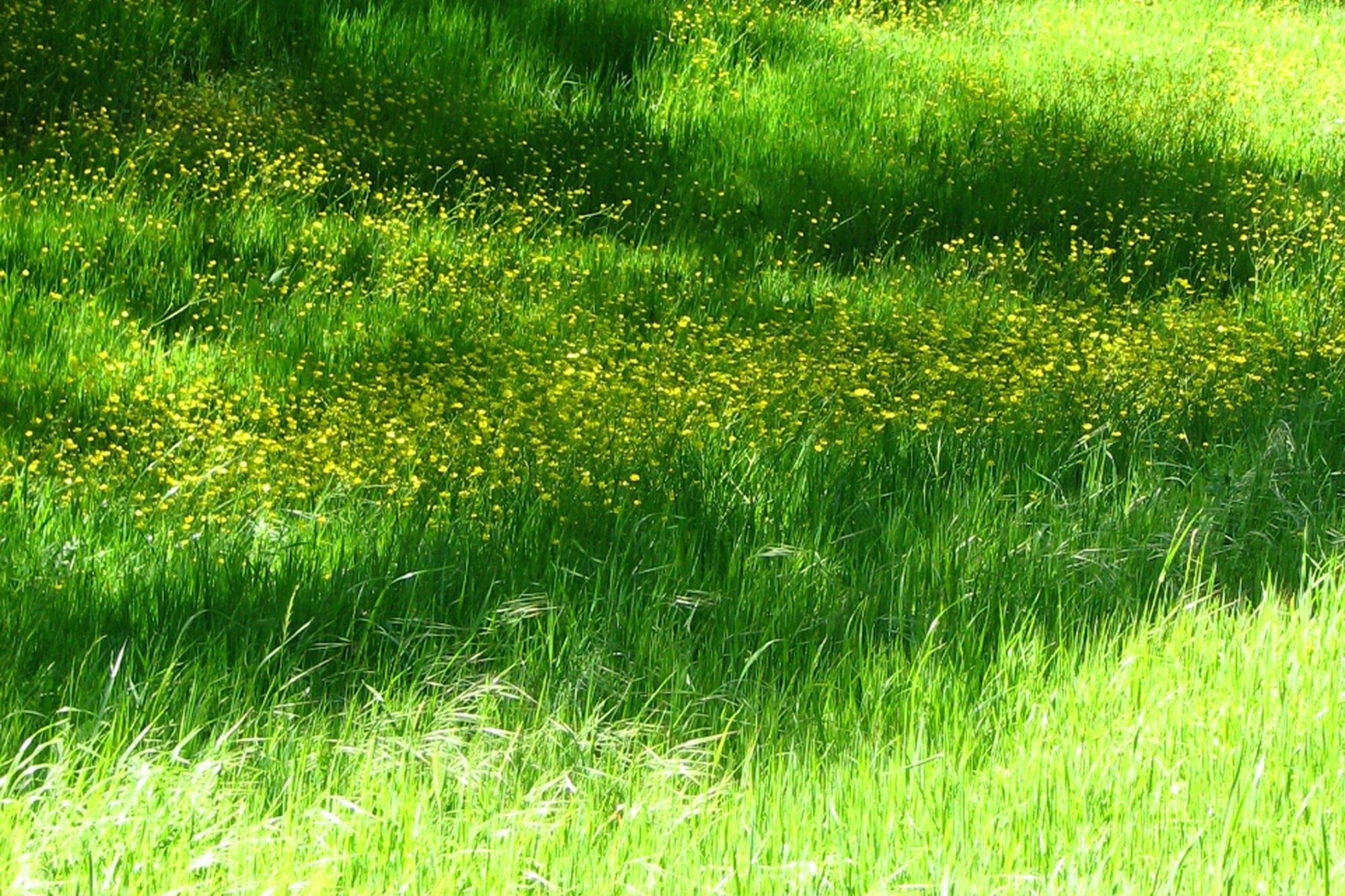
You turn your horse out on the first truly green pasture of spring. The sun is warm, the grass is lush, and your horse dives in like it is an all-you-can-eat buffet.
A few hours later, you start wondering if that sudden feast might cause trouble.
In simple terms, spring grass can upset your horse’s stomach because it is richer and more sugary than the forage they ate all winter. For new owners, this change can lead to worries about belly aches, colic, or even laminitis.
Let’s break it down. In this guide you will learn why spring grass affects your horse’s gut, what signs to watch for, and simple steps to keep turnout safe during the seasonal green-up.
More Sugar More Problems
Spring grass grows fast and stores more sugars than mature pasture. That sudden richness can be hard on a horse’s digestive system.
Horses evolved to graze slowly on steady, fibrous forage. When fresh pasture appears after months of hay, their gut microbes need time to adjust.
Three things make spring grass tricky:
- It is higher in natural sugars and carbohydrates
- Horses tend to overeat when it first appears
- Sudden diet changes can upset the digestive balance
These factors can lead to gasiness, which simply means excess gas building up in the gut. Mild cases cause discomfort. In more serious situations, it may contribute to colic, which is the general term for abdominal pain in horses.
Rich grass can also increase the risk of laminitis, a painful inflammation of the tissues inside the hoof that can occur when a horse consumes too many sugars.
Good management during spring turnout can greatly reduce these risks.
Signs to Look For and Things to Know
Subtle tummy trouble
Many horses show mild digestive upset before anything serious develops. Watch for signs like:
- Extra gassiness or bloating
- Loose manure
- Restlessness or frequent lying down
- Looking at their sides
These can signal the gut is struggling with the sudden diet change.
Symptoms that need quick attention
Call your veterinarian if you notice:
- Pawing, rolling, or repeated attempts to lie down
- Refusing feed
- Sweating or obvious discomfort
- A warm hoof or strong digital pulse, possible early laminitis
When in doubt, it is always safer to check with your vet.
Steps to Take to Help Keep Your Horses Safe
Here is a simple plan many horse owners use during spring pasture transition.
Start with short turnout periods
Begin with 15 to 30 minutes of grazing and slowly increase over 1 to 2 weeks.
Turn out after your horse eats hay
A belly partly full of hay helps prevent overeating fresh grass.
Use a grazing muzzle if needed
Easy keepers and ponies often benefit from controlled intake.
Avoid turnout during peak sugar times
Grass sugars tend to be highest on sunny afternoons and after frost.
Watch your horse daily
Check manure, appetite, and hoof warmth during the transition period.
Small adjustments like these make a big difference.
Common Mistakes and Quick Tips
Even experienced horse owners learn this lesson the hard way once or twice.
Here are a few easy tips to keep in mind:
- Do not switch from dry hay to unlimited pasture overnight
- Introduce pasture gradually over 7 to 14 days
- Keep hay available during early turnout weeks
- Be extra cautious with ponies and easy keepers
- If your horse had laminitis before, consult your vet before spring grazing
Good to know: horses that stay on pasture year-round usually adapt better than horses coming off a winter hay diet.
In Summary
Spring grass is delicious for horses, but it is much richer than winter forage. That sudden change can lead to gasiness, digestive upset, colic, or even laminitis if turnout is not managed carefully.
The good news is that prevention is simple. Gradual pasture introduction, steady hay access, and close observation go a long way toward keeping your horse comfortable.
If something seems off, trust your instincts and check with your veterinarian. You know your horse best.
Please note: this article is general information and not a substitute for veterinary advice. Consult with your veterinarian for further guidelines.
Join the Conversation
Have you managed the spring grass transition with your horse yet? Every barn has a story about the first green pasture of the year.
Share your experience or ask a question in the TurnoutHQ community. Horse owners of all levels are welcome, and there is always someone happy to help.
Sources
American Association of Equine Practitioners: Spring Pasture Management for Horses https://aaep.org
The Horse: Managing Horses on Spring Pasture https://thehorse.com
University of Minnesota Extension: Pasture Management for Horses https://extension.umn.edu
Practical Horseman: Preventing Laminitis During Spring Grass Growth https://practicalhorsemanmag.com