
Practical Tips for Springtime Shedding
Spring shedding is here, and the hair is flying. From packed grooming totes to fuzzy barn aisles, it’s all part of the season. Let’s make it easier on you and your horse with simple tips to speed things up and keep that new coat shining.

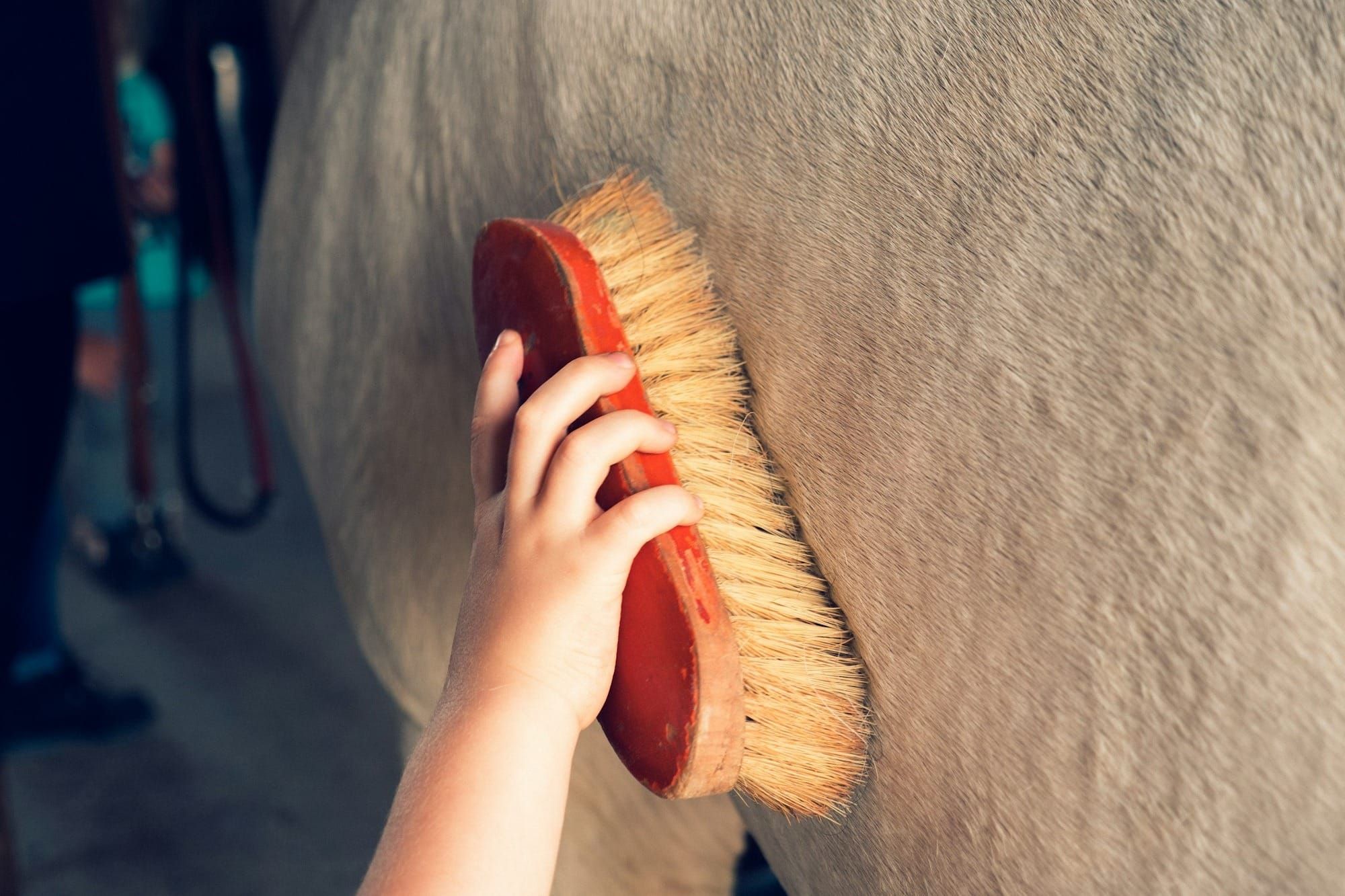
You curry your horse for ten minutes and the grooming tote already looks like it swallowed a small yak. Hair on your boots, hair in the air, hair floating down the barn aisle. Shedding season is officially here.
Most horse owners already know their horse will shed the winter coat as spring approaches. The real question is how to help the process along. In this post, we will look at grooming tools that make shedding easier, how barn lighting can influence the cycle, how winter blanketing affects when your horse drops that thick coat, and a few skin issues that sometimes pop up during spring shedding.
What It Is and Why It Matters
You already know the basics, but it helps to understand what is driving the process.
The biggest trigger behind shedding is the influence of daylight on shedding. As the days get longer, your horse’s body receives signals through the brain that it is time to lose the thick winter hair and grow a lighter summer coat.
The time of year usually means shedding begins in late winter and ramps up through early spring. That timing can shift depending on climate, management, and whether horses live outdoors or in a barn with artificial lighting.
Health also plays a role. A dull coat or slow shedding can sometimes relate to nutrition or parasites. In some cases, worms preventing shedding can affect coat quality and delay the process, which is why good parasite management is still important even during grooming season.
Good to know: while you cannot fully control the natural cycle, management choices can absolutely help speed things up.
Signs and Basics to Know
When the Coat Is Ready to Go
If the coat lifts easily under a curry comb or shedding blade, your horse is ready to shed. This is when grooming tools can remove large amounts of hair quickly.
If the coat is still tight and smooth, the body has not fully switched into shedding mode yet.
How Management Influences Timing
Several barn management choices can affect the shedding timeline.
Artificial lighting programs can trick the body into thinking the days are getting longer sooner. Blanketing can also influence how quickly a horse becomes comfortable letting go of the thick coat.
Neither replaces the natural daylight trigger, but both can shift the timing slightly.
Watch for Skin Changes
Spring shedding can sometimes reveal skin problems that were hidden under the winter coat. Moisture, sweat, and trapped hair can irritate the skin if they are not managed.
Common issues owners may notice include:
- Rain rot or bacterial skin infections that appear as scabby patches
- Fungal conditions such as ringworm, especially in damp environments
- Dry, flaky skin from the transition between coats
- Minor blanket rubs that were hidden by thicker hair
Regular grooming helps you spot these early so you can address them before they spread or worsen.
How to Handle It
If your goal is to help your horse shed out faster and more comfortably, here is a simple approach.
Use the right grooming tools
A regular brush will only get you so far. Tools designed for shedding help lift the loose undercoat.
Popular options include:
- Curry combs
- Shedding blades
- Grooming blocks or stones
- Rubber grooming mitts
Work in small circles to loosen hair, then follow with a stiff brush to sweep it away.
Groom a little more often
Even 10 to 15 minutes of grooming several times a week helps remove loose hair and stimulates skin oils that support the new coat.
Consider a lighting timer
Because of the influence of daylight on shedding, some barns use timed lights to mimic longer days. Lights that extend daylight to about 16 hours can encourage earlier coat changes.
This method is common in breeding barns and show programs, but it should be done consistently to work properly.
Understand how winter blanketing affects shedding
Blankets keep horses warm and prevent the body from needing such a heavy coat. Horses that are blanketed regularly often grow slightly lighter winter coats and may shed more evenly.
However, blanketing does not override the daylight trigger. Your horse will still follow the seasonal rhythm tied to the time of year.
It is also important to check under blankets regularly during shedding season so moisture, loose hair, or rubbing does not irritate the skin.
Keep health basics covered
If a horse sheds very slowly or unevenly, it may be worth reviewing nutrition and parasite control. Heavy parasite loads are one example of worms preventing shedding or contributing to poor coat quality.
Ask your veterinarian if you have concerns.
Common Mistakes and Quick Tips
Here is a simple checklist to make shedding season easier.
- Groom before and after riding to loosen more hair
- Clean grooming tools often so they keep working well
- Do not blanket too heavily once temperatures rise
- Check under blankets for sweat, skin irritation, or early rain rot
- Keep grooming areas clean to reduce fungal spread
- Stay consistent with parasite control and vet guidance
Small routines can make a big difference when the hair really starts flying.
In Summary
Shedding is a natural process driven mainly by the influence of daylight on shedding as days grow longer. While the time of year sets the overall schedule, owners can help things along with consistent grooming, thoughtful blanketing, and proper barn lighting. Tools designed for shedding remove loose hair faster and make the process more comfortable for your horse. Spring is also a good time to keep an eye on skin health, since conditions like rain rot or fungal infections can show up as the winter coat loosens. And if shedding seems unusually slow, it is always smart to review nutrition and parasite management, since issues like worms preventing shedding can sometimes play a role.
Every barn seems to have a favorite shedding tool or a grooming trick that works wonders. What is your go to?
Join the conversation in the TurnoutHQ community and share your shedding season tips with fellow horse owners.
This article is general information and not a substitute for veterinary advice.
Sources
American Association of Equine Practitioners. Parasite Control Guidelineshttps://aaep.org
The Horse. What Controls a Horse’s Hair Coathttps://thehorse.com
Penn State Extension. Seasonal Horse Care and Managementhttps://extension.psu.edu
Practical Horseman. Grooming Tips for Managing Shedding Seasonhttps://practicalhorsemanmag.com