
How to Start a Successful Horse Boarding Business: What Every Equestrian Should Know
Turning your love of horses into a boarding business sounds like a dream… and it can be! But behind those barn doors is a mix of planning, people skills, and daily hustle. Let’s walk through what it really takes to build a barn that thrives.

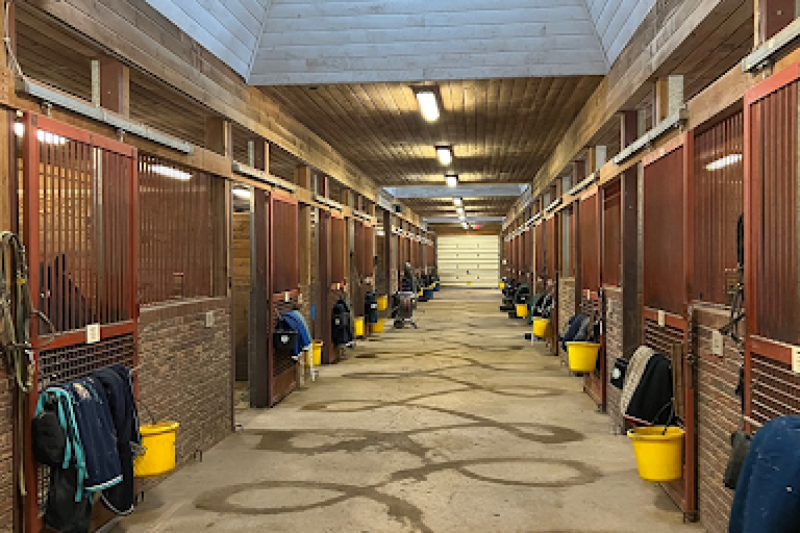
Turning a passion for horses into a boarding business can be deeply rewarding — but it’s also a complex, hands-on, and business-driven venture. While it may seem straightforward to “open stalls and take boarders,” the reality requires thoughtful planning, legal readiness, solid infrastructure, and excellent client communication. Below are key things to consider before you open your barn doors.
Start with a Solid Business Plan
Before anything else, create a detailed business plan. This is not just a budgeting exercise: it helps you identify your target market, revenue streams, and long-term goals — and it’s essential if you plan to seek funding or loans. A well-developed plan should include:
- Well written Executive Summary
- Summary of the Horse Industry
- Board & services fee structure/pricing and competitive analysis
- Management strategies & organizational chart
- Facilities location & layout details
- Owner(s) experience/history in the horse industry & with business ventures
- Projected start-up and operating costs
- Cash Flow projections & Income/Expense projections (typically 3-5 years depending on lender requirements)
- Labor estimates
- Insurance, legal, and accounting support
- Loan information
- Copies of all contracts to be used
- Growth strategy
- A Marketing & Promotion Plan including a SWOT (Strengths, Weaknesses, Opportunities, Threats) analysis
According to Stable Management, a business plan helps keep your operation on track and clarifies whether your boarding barn will be profitable and sustainable long term. Check out the SBA website for templates and tips on writing business plans. (Small Business Administration)
Understand Legal & Insurance Requirements
The legal side of boarding is crucial.
Business Structure
Choosing the right legal structure (LLC, corporation, etc.) can protect your personal assets and may reduce liability. A stable operating without a formal entity could expose your home or farm assets to lawsuits.
Insurance
Horse boarding carries specialized risks. Basic general liability might not cover horse-related accidents, so experts recommend:
- Commercial General Liability
- Care, Custody & Control (CCC) coverage — protects you if a boarded horse is injured, sick, dies, or stolen (also needed if you ship horses for others)
- Additional endorsements for lessons, clinics, or events
- Your homeowner’s policy does not give ANY coverage for business pursuits.
Carefully review policy exclusions with your insurer — and always have a lawyer draft or review liability releases and boarding contracts to protect your business. Use a company that specializes in equine or agricultural related insurance.
Market Research & Zoning Compliance
Not every property can legally be a boarding barn.
Investigate:
- Zoning laws and land use ordinances in your area — even rural property can require permits or special use designations for commercial boarding.
- Building Codes - to ensure you can do what you want regarding barns, arenas, storage buildings and fencing.
- Local Market Demand — conduct a survey of existing barns, their occupancy rates, pricing, and specialties. Stable Management and other industry resources stress that the “build it and they will come” approach often fails without confirmed demand.
This groundwork helps ensure your barn fills stalls rather than sits empty. This is the responsibility of the property owner/business owner. Do not rely on realtors for accurate information.
Build Safe, Functional Facilities
Your barn’s physical environment directly impacts horse health, safety, and boarder satisfaction.
Considerations should include:
- Adequate stall size (12’×12’ minimum) and safe construction
- Reliable water supply with appropriate access in all weather
- Electrical work all needs to be done to code - remember that agricultural buildings have their own regulations and things are different than with residential buildings. All wires may need to be in conduit, for example. Outlets may need to have covers. Things are specifically done to prevent dust, moisture and rodents from causing problems.
- Safe fencing with no sharp or loose materials
- Feed, tack, and equipment storage
- Manure management and drainage systems
- Appropriate arena(s) & quality footing
- Adequate paddocks/pastures for the number of horses
- Adequate parking
- Fire safety protocols
- Security concerns like a perimeter fence, cameras, alarms & adequate exterior lighting.
While wells, pastures, arenas, wash racks, and tack rooms enhance appeal, they also come with costs. Prioritize safety and function over luxury when just starting. Be sure to check building code and permit requirements before starting any construction projects.
Set Clear Services, Policies & Pricing
Boarding isn’t a one-size-fits-all service.
Decide:
- What type of board you’ll offer (full board, pasture board, self-care, training board)
- Which services are included and which are extra
- Whether you’ll offer lessons, training, clinics, events, or trail access
Stable Management highlights that additional services like grooming, blanket changes, and vet care can provide buoyancy to slim profit margins — but only if clients understand fees upfront.
Contracts and rules should cover:
- Payment terms
- Late fees
- Turnout and turnout policies
- Feeding and medication protocols
- Emergency procedures
- Absenteeism & lateness policies as well as termination policies for employees
- Liability waivers
Clear policies reduce misunderstandings and strengthen client trust.
Staffing & Daily Operations
Horse boarding is labor-intensive. Even a small operation can require daily feeding, stall cleaning, turnout supervision, and emergency care.
As your barn grows, you’ll need:
- Reliable staff
- Defined roles and responsibilities
- Training on safety and care procedures
- Backup plans for vacations or emergencies
Avoid burnout by planning staffing needs before your barn reaches a tipping point where labor demands exceed capacity. Make sure the area in which you locate your business can support it as far as labor is concerned.
Foster Communication & Client Relationships
Boarding is a people business as much as an animal business.
Build strong communication channels:
- Introduce new boarders to staff and protocols
- Provide tours and facility orientation
- Regularly update clients on pricing and changes
- Ask for feedback and respond promptly
Trust and transparency are key to retaining clients and reducing turnover — a major revenue stabilizer in this low-margin industry.
Plan for Long-Term Sustainability
Once your barn is established, consider:
- When (or whether) to expand
- How to price at or above the market using value-added services
- How to use marketing and community outreach to attract boarders (e.g., website, social media, local events)
Expansion has costs — from extra paddocks and arenas to more staff — and should be considered only after assessing your success and client satisfaction. Don’t sacrifice quality care for the quantity of stalls filled.
Final Thoughts
Starting a horse boarding business is not merely about horse care — it’s about strategic business planning, legal compliance, risk management, client communication, and facility management. With intentional planning and ongoing learning, your barn can become a trusted, sustainable part of your local equestrian community.
Want to talk more about boarding barns? Join the conversation on TurnoutHQ!
Sources
- Starting or Expanding a Horse Boarding Operation — Stable Management (StableManagement.com)
- Amy E. Sherrick, MBA, Professor of Equine Business Management
- Legal Considerations for Insuring an Equine Business: Guidance for Boarding Stables and Event Hosts - Ward and Smith, P.A.
- Turn Your Horse Property into a Profitable Business | Oregon & Idaho