
Don’t Let Them Take Root: Toxic Weeds to Watch for in Your Pasture
You’re doing a fence check and everything looks peaceful… until one unfamiliar plant catches your eye. Toxic weeds can blend right in, but knowing what to watch for helps you protect your horse before problems take root. Let’s walk through the key signs and risks together.

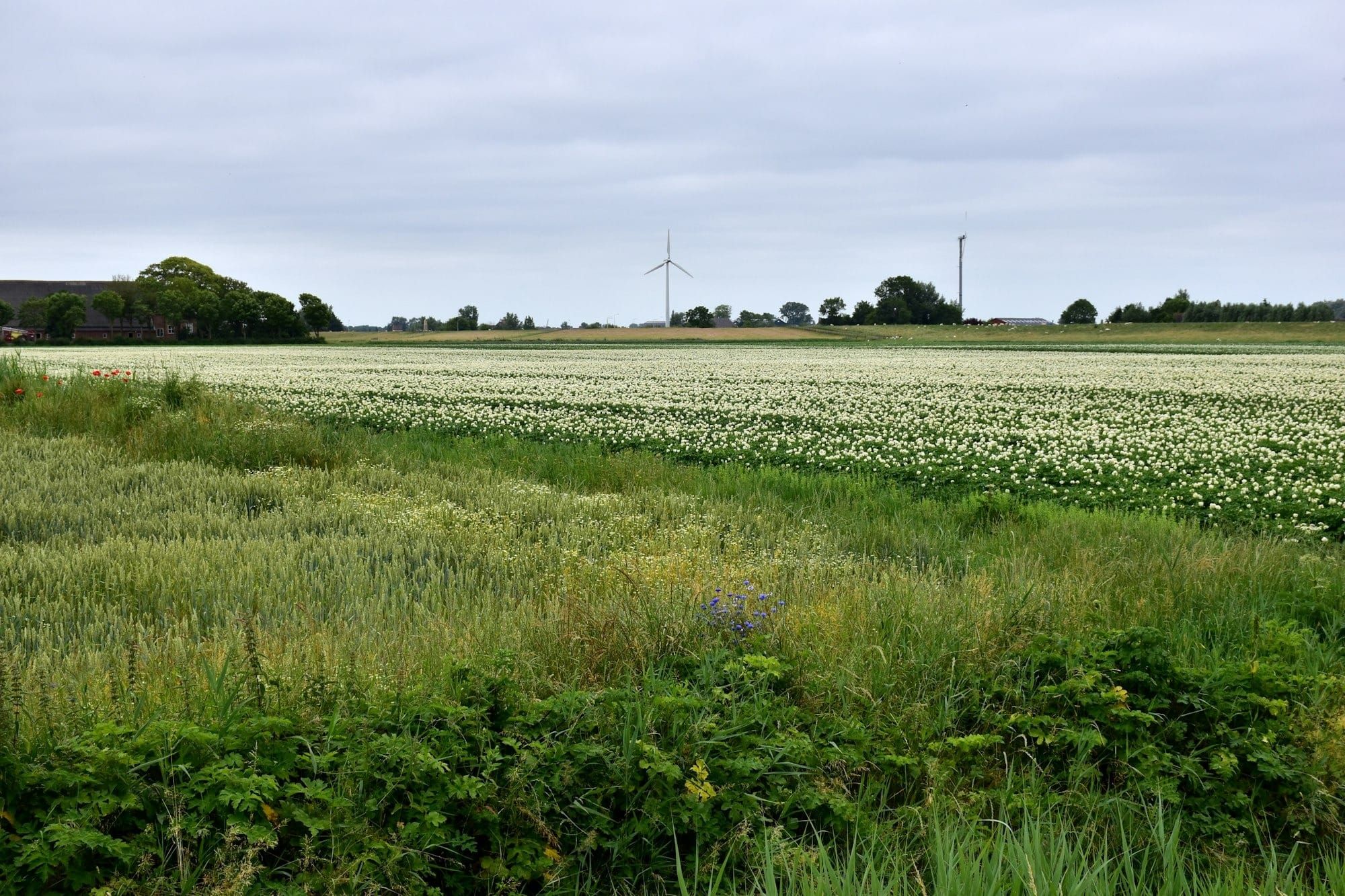
You are out doing a quick fence check, horses grazing, everything looks peaceful, and then you spot a plant you do not recognize. It blends right in, but something feels off.
Toxic weeds in your pasture are plants that can harm your horse if eaten, even in small amounts. In this guide, you will learn which weeds to watch for, how to spot early warning signs, and what symptoms to keep an eye on.
Let’s break it down.
Toxic plants are plants that contain compounds that can cause illness, injury, or even death if your horse eats them.
Most horses avoid them when pasture is healthy, but risk increases when:
- Grass is sparse or overgrazed
- Horses get bored or curious
- Toxic weeds end up in hay
You may also see allergic reactions, which happen when a horse’s body reacts to a plant, causing irritation, swelling, or breathing issues.
Another term to know is photosensitization, when certain plants make your horse’s skin extra sensitive to sunlight, leading to burns or sores.
Good to know: some toxic plants remain dangerous even when dried, which makes early identification especially important.
Common Toxic Weeds to Recognize
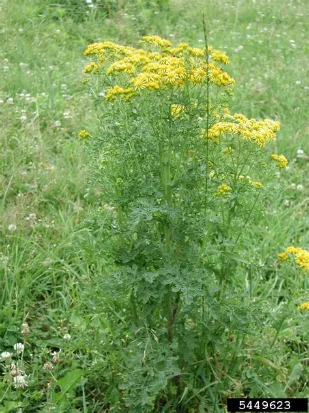
Ragwort
Bright yellow, daisy-like flowers. Ragwort can cause serious damage over time to your horse’s liver and stays toxic even when dried in hay.
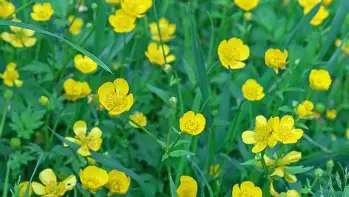
Buttercup
Small yellow flowers, often found in wet or overgrazed areas. Can irritate the mouth and cause drooling.
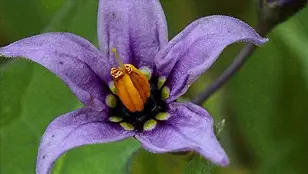
Nightshade
Often has small berries and white or purple flowers. Can affect the nervous and digestive systems if eaten.
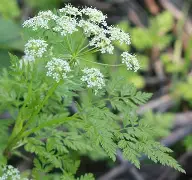
Poison Hemlock
Tall with white umbrella-shaped flowers and purple-speckled stems. Highly toxic and fast-acting.
Signs your horse may have ingested something toxic
- Sudden loss of appetite
- Lethargy or unusual behavior
- Drooling or mouth irritation
- Colic signs or diarrhea
- Skin sensitivity or sunburn-like sores
If something feels off, it is always worth a call to your vet.
Common mistakes and quick tips
Don't...
- Assume horses will always avoid toxic plants
- Ignore unfamiliar weeds “just in case”
- Let pastures get overgrazed
- Forget to check hay
- Wait too long to act when something seems off
Quick tip:
If you do not recognize a plant, treat it as a potential risk until you can confirm what it is.
In summary
Toxic weeds can quietly work their way into even well-managed pastures, but they are much easier to handle when you know what to look for. Learning to recognize common plants and spotting early warning signs in your horse can make all the difference. Staying observant and proactive helps keep your horses safe and your pasture healthy. A little awareness goes a long way.
This article is general information and not a substitute for veterinary advice.
Have you spotted a weed in your pasture that made you take a second look? Or do you have a go-to way of identifying unknown plants?
Share your experience, ask questions, and connect with other barn owners in the TurnoutHQ community. We are all in this together.
Sources
Toxic Plants and Your Horse, The Horsehttps://thehorse.com/
Plants Poisonous to Livestock, Cornell Universityhttps://poisonousplants.ansci.cornell.edu/
Toxic Weeds and Trees in Horse Pastures, University of Georgia Extensionhttps://fieldreport.caes.uga.edu/publications/B1571/toxic-weeds-and-trees-in-horse-pastures/