
Conquering the Mess: A Horse Owner’s Guide to Dealing With Mud
Up to your ankles in muck? Mud is a messy fact of barn life, but it doesn’t have to take over. With a few smart strategies, you can keep your paddocks drier, your horses healthier, and your chores way less slippery. Here’s how horse owners tackle mud and win.

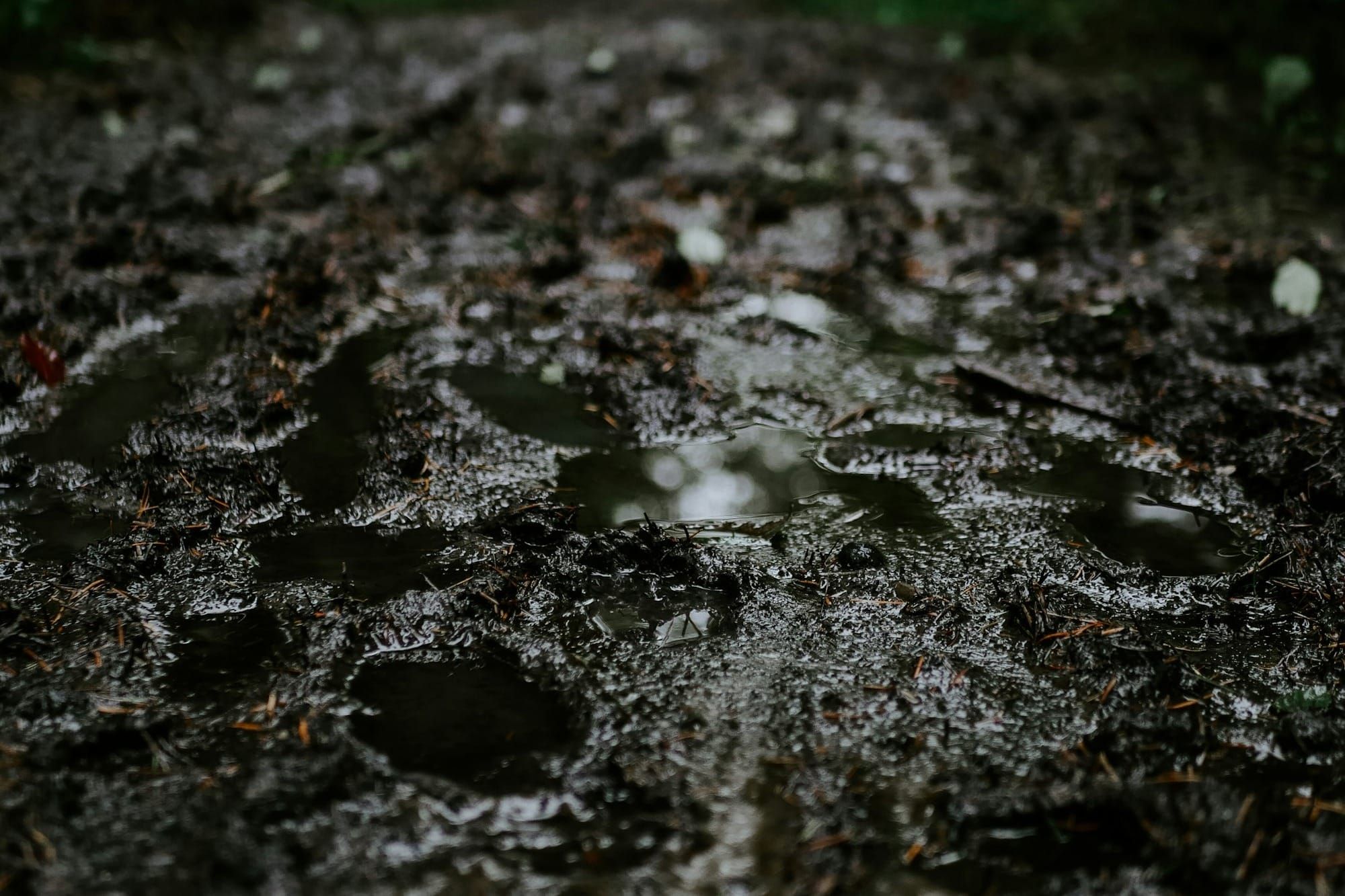
Mud is one of those realities every horse owner must face. Whether it’s the heavy rains of spring, melting snow in late winter, or soggy fall weather, mud can quickly turn a once-perfect paddock, barn entrance, or turnout area into a sloppy, slippery challenge. But with planning and the right management strategies, you can significantly reduce mud and protect both your horses and your facilities.
Why Mud Matters
Mud isn’t just a nuisance, it can affect your horses’ health and your daily routines. Deep, persistent mud:
- Makes routine care harder, from feeding to cleaning stalls
- Leads to unstable footing that increases the risk of slips and injuries
- Creates ideal conditions for skin issues like pastern dermatitis (“scratches”) and thrush, which thrive in wet, dirty environments
Managing mud is all about reducing stress and health risks for your horses while making your chores easier.
The Foundation: Control the Water
The first step in any mud-management plan is to think like water: where does it go? Preventing water from reaching your busiest areas helps stop mud before it starts.
1. Manage Roof RunoffRain falling on barn or shelter roofs can equal hundreds or thousands of gallons of water funneling straight into the yard. Installing gutters and downspouts and directing that water away from high-traffic zones dramatically cuts the amount of water saturating the soil.
2. Use Drainage FeaturesTemporary shallow ditches or diversion trenches can redirect surface water away from muddy spots. In higher-rainfall regions, permanent solutions like drainage swales, French drains, or even rain gardens can absorb and reroute water so it doesn’t pool where horses walk most often.
Permanent Mud Fighters: High-Traffic Pads
In areas that always get muddy, like feeding spots, consider constructing high-traffic pads. These are engineered surfaces designed to handle moisture and heavy use.
A typical high-traffic pad includes:
- A graded base that slopes slightly so water moves away rather than pooling
- Geotextile fabric, which stabilizes the soil and lets water drain through
- Layers of crushed stone or gravel that resist movement and breakdown
- A final layer of stable footing, such as unwashed fine gravel
Though they require some investment up front, these pads provide a firm, dry surface that dramatically reduces mud in the busiest areas of your farm.
Temporary Fixes That Help Now
Not every situation allows for big construction projects, especially in the middle of mud season. Here are approaches that offer immediate relief:
1. Add Footing MaterialsTo quickly dry up a muddy patch, adding gravel, sand, or dirt can help. While these materials aren’t as durable as a high-traffic pad, they can create usable dry spots when installed temporarily.
2. Use Mats or GridsRubber stall mats or mud control grids can help stabilize muddy ground under water troughs or near barn doors. These products create a more even surface and prevent horses from sinking into wet soil.
3. Limit Access to Problem AreasRestricting horses from entering particularly muddy sections reduces pressure on the soil and gives the ground a chance to firm up. Use temporary fencing if necessary to keep horses out of soggy zones until they dry.
Pasture Practices That Reduce Mud
Mud isn’t just a barn problem, pastures can become muck pits if mismanaged. Good grazing and soil-care practices help keep pastures healthy, reducing mud and improving grass regrowth.
1. Rotation and RestDividing pastures into smaller paddocks and rotating grazing gives grass time to recover. This prevents overgrazing, which weakens root systems and leads to bare, wet soil that turns to mud.
2. Sacrifice AreasSometimes the healthiest choice for your pasture is to take the horses off it during wet weather. A designated sacrifice area, a paddock with robust footing where horses can live through winter or heavy rains, protects your larger pastures from damaging hoof traffic.
3. Soil ImprovementsAdding sand or organic material in key areas can improve drainage and soil structure. Aerating compacted soil lets water penetrate rather than sit on the surface and form mud.
Daily Routines That Limit Mud
Keeping mud under control is also about what you do every day:
- Pick up manure frequently: Organic material breaks down and mixes with soil, increasing mud problems. Regular cleanup reduces this effect and improves overall sanitation.
- Move feeders and waterers regularly: Horses naturally congregate where their needs are met. By rotating these locations, you avoid heavy traffic in one muddy spot, which helps the soil recover.
- Feed on firm ground: Place hay feeders on rubber mats, gravel, or a high-traffic pad to prevent leftover hay from rotting into the soil and aggravating mud.
Health Watch in Muddy Conditions
Even with the best efforts, sometimes mud happens. When it does, it’s important to monitor your horses for common mud-related health issues:
- Pastern dermatitis (“scratches”): Mud and bacteria can cause painful, inflamed skin on the lower legs.
- Thrush and hoof issues: Constant wetness softens hoof tissue and invites bacterial infections.
Daily grooming, drying legs after work, and moving horses to a drier spot if possible go a long way toward preventing these problems. Regular checks and prompt treatment keep small issues from becoming big ones.
The Bottom Line
Mud is a seasonal challenge that nearly every horse owner faces. You can’t always eliminate mud, but with water control, smart footing choices, pasture management, and consistent daily care, you can manage it effectively. Move water away, stabilize the ground where horses spend time, and adapt your daily habits; with these steps, mud becomes a challenge you can handle rather than a problem that handles you.
Sometimes, the best solutions come from other horse people who have already figured out what works. That’s where TurnoutHQ comes in. THQ is a community built just for equestrians to share real-world barn tips, product recommendations, and facility ideas that actually make life easier. From creative mud-control setups to seasonal management routines, THQ gives you a place to learn, connect, and swap solutions with fellow equestrians.