
Shoo, Fly: Get Ahead of Fly Season Before It Gets Ahead of You
Flies showing up? You’re not late… yet. Fly control starts before the buzz begins. In this guide, we’ll cover why flies take over, early warning signs, and simple, barn-friendly ways to stay ahead all season long.

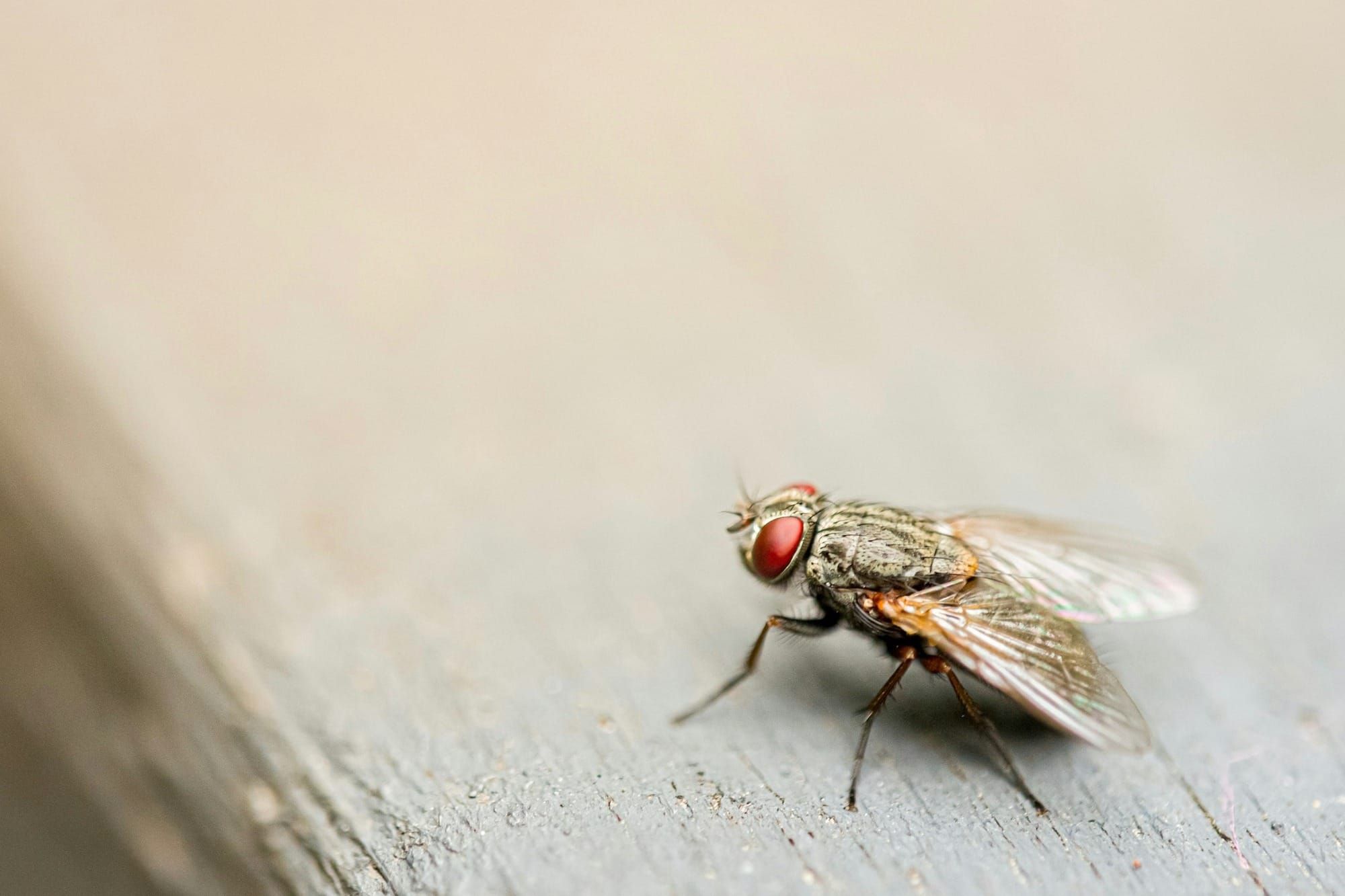
You know the moment. Stalls are done, the day is warming up, and suddenly the flies arrive like they have been waiting all winter for this exact day.
Keeping flies away starts before you actually see them. It is about stopping the conditions that let them multiply in the first place. In this guide, you will learn why flies take over, how to spot early signs, and step-by-step ways to stay ahead of the problem all season long.
Let’s break it down.
What to remember
Flies are not just a nuisance. They can quickly impact your horses’ comfort and your barn’s overall health.
At the center of the issue are fly larvae, which are the immature stage of flies that develop in manure, damp bedding, and organic debris. If you deal with larvae early, you prevent the next wave of adult flies.
Here is why getting ahead matters:
• Flies reproduce fast, especially in warm weather
• A small delay in cleaning can lead to a big increase in flies
• Preventing flies early is far easier than trying to control them later
Good to know: the barns that struggle least with flies are the ones that start their routine before fly season fully kicks in.
Where flies thrive
Flies are drawn to moisture, manure, and leftover feed. Common hotspots include stall corners, manure piles, and wet areas around buckets or wash racks.
Early warning signs
Catching things early is everything. Watch for:
• Flies gathering on walls, ceilings, or windows
• Horses swishing tails, stomping, or acting irritated
• Damp bedding or strong odors
If you are noticing even a small increase, it is time to act. Early action saves you time later.
Helpful hints
Clean daily and stay consistent
Remove manure from stalls and paddocks every day. This is your number one tool for stopping larvae before they develop.
Keep everything as dry as possible
Fix leaks, improve airflow, and avoid standing water. Dry spaces are far less inviting for flies.
Use natural insect repellant or killer options
A natural insect repellant or killer uses plant-based or low-toxicity ingredients to help deter or eliminate flies. These can be a helpful layer in your overall plan.
Add beneficial predators early in the season
Beneficial predators are insects like parasitic wasps that target fly larvae. Starting them early gives them time to control populations before flies peak.
Layer in smart barn hacks
These small additions can make a big difference when used consistently:
o Diatomaceous earth: A fine powder made from fossilized algae. Use food grade in dry areas to help reduce larvae. Keep it dry and avoid inhalation.
o Sweet PDZ or similar products: Helps absorb moisture and ammonia, creating a less fly-friendly environment
o Fly traps: Hang them away from stalls to draw flies out and away from horses o Fans: Constant airflow makes it harder for flies to land and settle
o Feed-through fly control: Helps stop larvae from developing in manure. Check with your vet before use
The key is starting early and staying consistent. Waiting until flies are everywhere makes every step harder.
Common mistakes and quick tips
Here is a simple checklist to keep you on track:
• Waiting until flies are visible to begin control
• Letting manure piles sit too close to the barn
• Skipping even a day or two of stall cleaning
• Over-relying on sprays instead of fixing the source
• Placing fly traps too close to horses
Quick tip: Think of fly control like a routine, not a reaction. The earlier you start, the easier your summer will be.
In summary
Fly control works best when you stay one step ahead. By focusing on larvae, keeping your barn clean and dry, and layering in tools like predators and simple hacks, you can dramatically reduce fly pressure. The biggest difference comes from starting early and sticking with it. A proactive approach saves time, effort, and frustration down the line.
This article is general information and not a substitute for veterinary advice.
Join the conversation
What is your go-to fly control routine when the weather starts warming up? Got a hack that has made a real difference in your barn?
Come share your tips, ask questions, and connect with fellow barn owners in the TurnoutHQ community. We are all figuring this out together.
Sources
• How to Clear Flying Insects from Barn
https://agricarehub.com/how-to-clear-flying-insects-from-barn/
• Managing Flies in Horse Facilities, Penn State Extension
https://extension.psu.edu/managing-flies-in-horse-facilities
• Controlling Flies Around Horse Facilities, University of Kentucky
https://entomology.ca.uky.edu/ef511
• Fly Control for Horses, The Horse https://thehorse.com/