
Navicular in Horses: What You Should Know
Heard “navicular” at the barn and not totally sure what it means? You’re not alone. In this guide, we’ll break it down in simple terms, cover early signs to watch for, and share ways to help keep your horse comfortable and moving well.

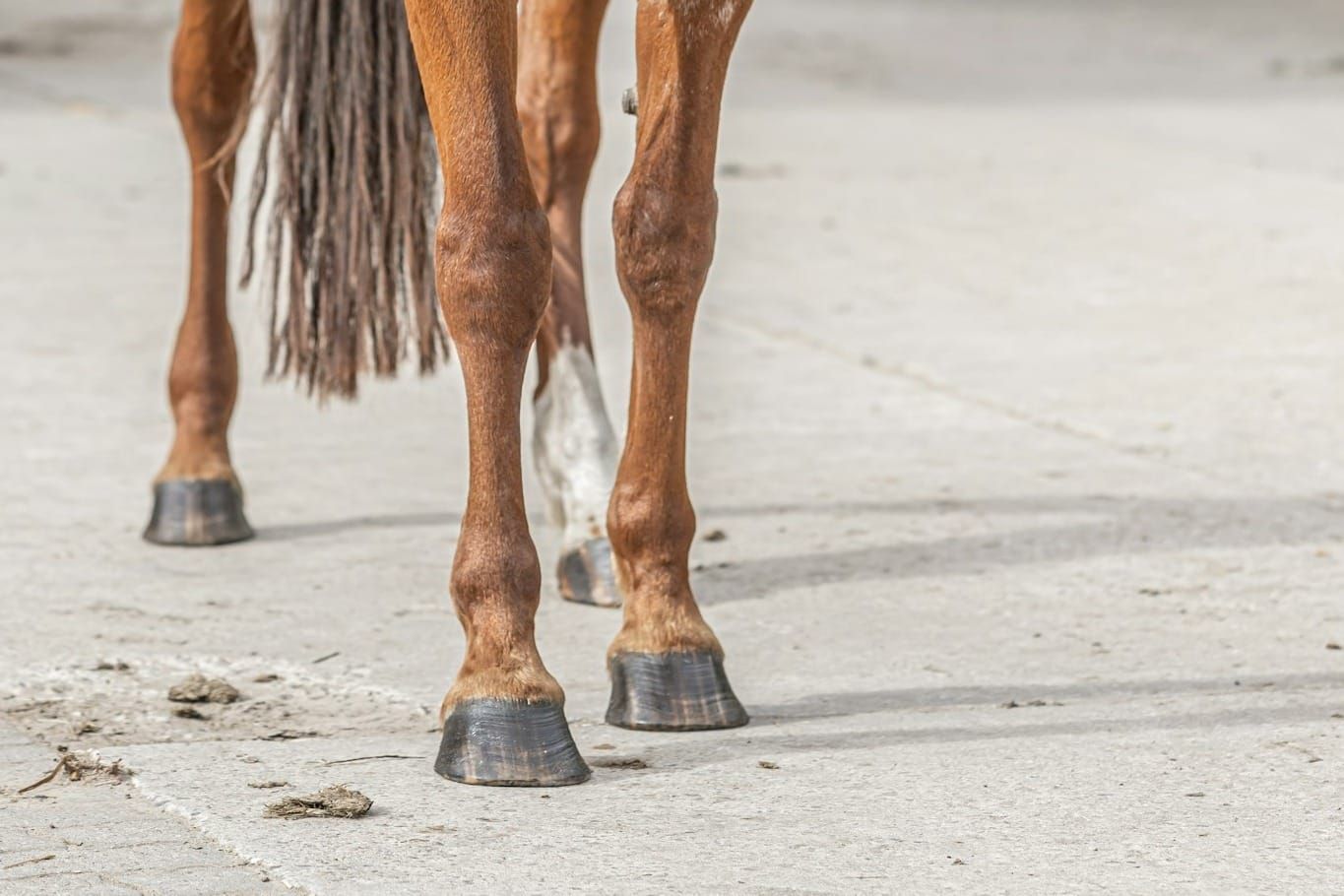
You’re tacking up, enjoying that familiar barn smell, when someone down the aisle mentions their horse has navicular. If you’ve been away from the saddle for a while, that word might make you pause. What does someone mean when they say “navicular”? Navicular syndrome is a condition that causes pain in the back part of a horse’s hoof, often affecting movement and comfort.
In this guide, you will learn what navicular syndrome is in simple terms, how to recognize early signs, and what steps owners and riders can take to help manage it.
Let’s break it down.
Navicular syndrome is a condition involving the navicular bone, a small bone inside the hoof that sits behind the coffin bone and helps the deep digital flexor tendon move smoothly.
When the structures around this bone become inflamed, damaged, or strained, the horse may feel pain in the heel area of the hoof.
Why it matters:
- The condition can affect a horse’s comfort and performance.
- Early signs are often subtle and easy to miss.
- With proper management, many horses remain comfortable and active.
Good to know: Navicular syndrome is not always a single disease. It is often a group of problems affecting the navicular bone and nearby tissues.
Signs or basics to know
Subtle changes in movement
A horse with navicular discomfort may move differently before obvious lameness appears.
You might notice:
- Shorter strides, especially at the trot
- A horse that “points” one front foot while standing
- Reluctance to move downhill or on hard ground
Hoof and circulation clues
Two useful barn checks can help you notice early hoof issues.
Digital pulse: This is the pulse you can feel at the back of the fetlock or pastern. A stronger than usual pulse can signal inflammation in the hoof.
Thrush: A bacterial infection in the frog of the hoof that causes a black discharge and strong odor. Thrush does not cause navicular syndrome, but poor hoof health can make overall hoof comfort worse.
If your horse has both heel pain and poor hoof condition, it is worth investigating further with your vet or farrier.
How to handle it or steps to take
Here is a simple checklist if you suspect navicular discomfort.
Watch for consistent signs
Note changes in stride, reluctance to move forward, or unevenness in the front feet.
Call your veterinarian
Your vet may perform a lameness exam, nerve blocks, and imaging such as X rays or MRI to confirm the source of pain.
Work closely with your farrier
Correct trimming and shoeing can help support the heel and reduce stress on the navicular area.
Adjust exercise thoughtfully
Many horses benefit from steady, low impact work rather than intense or irregular exercise.
Discuss treatment options
Your vet may suggest medications, therapeutic shoeing, or management changes depending on the case.
Ask your vet or farrier if you are unsure which approach fits your horse best.
Common mistakes and quick tips
Here are the most common mistakes people make that result in a delayed navicular syndrome diagnosis:
- Ignoring small changes in stride or attitude
- Waiting too long to investigate front end lameness
- Skipping regular farrier visits
- Working on very hard footing for long periods
- Assuming every front end lameness is navicular
Helpful habits for optimum hoof health:
- Pick out hooves daily and check for thrush
- Learn to feel your horse’s normal digital pulse
- Keep a simple log of changes in soundness
- Maintain consistent hoof care every 4–6 weeks
Small observations often make a big difference.
In summary
Navicular syndrome refers to pain involving the navicular bone and surrounding structures in the hoof. It can show up as subtle stride changes, heel pain, or front end lameness. Early attention from a veterinarian and farrier is key to managing the condition well. Many horses continue to work comfortably with proper care, hoof balance, and thoughtful exercise.
This article is general information and not a substitute for veterinary advice.
Join the conversation
Have you ridden or cared for a horse with navicular syndrome? What management tips helped your horse stay comfortable?
Share your experience or ask questions with fellow riders in the TurnoutHQ community. Someone else in the barn aisle may be wondering the same thing.
Sources
Horse & Hound: Navicular Disease in Horses Vet Library https://www.horseandhound.co.uk/plus/vet-library/navicular-disease-horses-699820
The Horse: Navicular Syndrome in Horses Explained https://thehorse.com/features/navicular-syndrome/
Bing Search Overview: Navicular in Horses https://www.bing.com/search?q=navicular+in+horses+&form=ANNTH1&refig=69a8e2264acf4a629628a413fb20ceab&pc=HCTS