
How to Tack Up Your Horse for English Riding
Great rides start on the ground. Tacking up right means your horse is comfy, your gear is safe, and you're both ready to roll. From grooming to girths, here's how to tack up English-style with care, confidence, and a little THQ know-how.

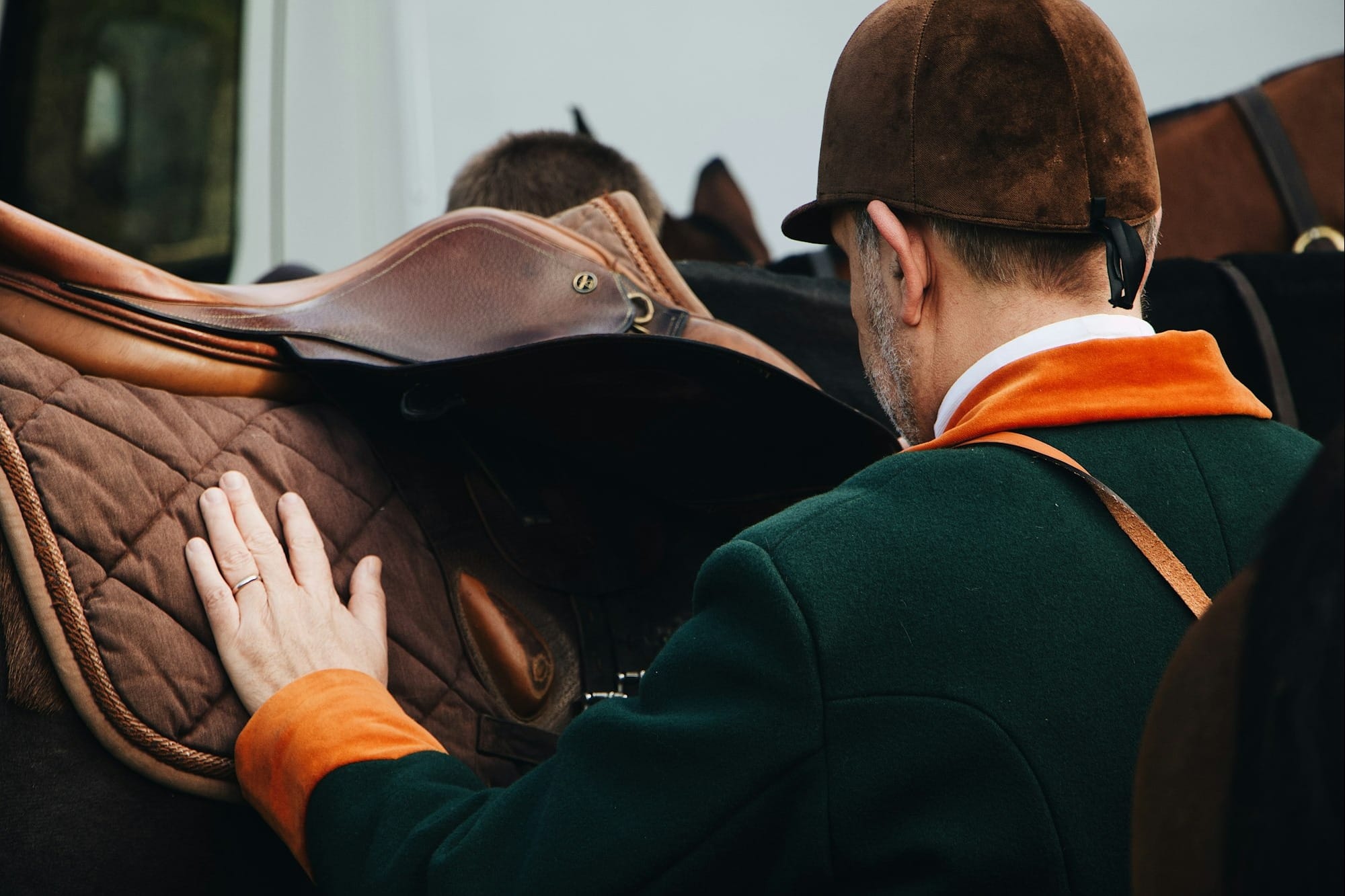
Preparing your horse to ride begins long before you mount the saddle. Tacking up correctly ensures your equine partner is comfortable, safe and ready for the work ahead. Done well, the process becomes second-nature; done poorly, it can lead to discomfort, miscommunication or worse. Let’s walk through how to tack up your horse in English style with attention to detail, timing and safety.
Start With the Horse Secured and Groomed
Before you even pick up your saddle, make sure your horse is safely tied or held securely in a cross-tie or with a handler. Safety is paramount. Once secured, grooming is your first step. Clean the coat thoroughly, paying extra attention to the withers, girth area and saddle site. Remove any dirt, debris or loose hair that could create pressure points under the pad or saddle. Make sure the legs are picked out and the hooves cleaned. A well-groomed horse is more comfortable and less likely to respond poorly once tacked up.
Prepare the Tack: Clean, Check and Organize
While grooming is happening, check your tack. Look over the equipment for cleanliness and proper shape, inspect the saddle for any damage, stitching issues or worn billets. Examine the girth or girth straps, check stirrup leathers for wear, and inspect the bridle. Make sure the bit is clean, reins are correct length and bridle leather is supple and safe. When your equipment is clean and in good condition you reduce the chances of discomfort or equipment failure during your ride.
Saddle Pad and Saddle Placement
First, position the saddle pad slightly forward on the withers and then slide it back a couple of inches so that it settles in the correct place. This helps ensure the hair lies flat underneath and the pad is not pulled back by motion. Next, lift the saddle onto the horse’s back, keeping the stirrups flipped up out of the way if possible. The saddle should be placed gently and squarely, aligning the pommel just behind the withers and ensuring the panels sit evenly on the horse’s back. At this stage, take a moment to assure the horse is standing relaxed and balanced.
Secure the Girth and Adjust for Fit
Once the saddle is in place, it’s time to fasten the girth. Begin loosely on one side, buckle or strap it and then move to the other side. You’re aiming for snug, not overly tight. A good rule of thumb is that you should still be able to slide a few fingers between the girth and the horse’s barrel without pulling on the saddle. After you mount or once you’re in place, check and tighten again as many saddles settle slightly when the horse moves or when you sit. Also take care with stirrup leathers: adjust them to the right length for your leg and riding discipline before mounting.
Bridle and Bit
With the saddle secure and adjusted, the next step is bridling. With many horses, your halter is removed, reins may be placed over the neck temporarily, and the bridle is placed in hand. Approach the horse calmly, keep your body close to the head, and place the crown piece over the ears so the brow band is lightly resting. Then, guide the bit gently into the horse’s mouth; you may ask the horse to accept it by offering it slowly and allowing the horse to open its mouth. Once the bit is in place, attach the throat latch and adjust the noseband to fit comfortably, usually allowing two fingers under the noseband and four somewhere under the throat latch without tension. Reins are then placed in your hand and the horse is ready.
Final Checks Before Mounting
Before you swing up, walk around your horse and inspect everything. Make sure the pad is still lying flat and hasn’t creased. Check the saddle billets and girth buckles for evenness and no twisting. Look at the bridle: crownpiece sits correctly, brow band sits flat, bit hangs evenly, reins are untangled. Make sure the stirrups are correctly adjusted and the saddle isn’t slipping or too far back or forward. Ask your horse to walk a few steps and stop. Observe if the saddle shifts or if the bit causes any reaction. If something feels off, dismount, fix it, then remount.
Safety and Comfort First
Tacking up is more than just a routine; it’s part of your horse’s warm-up and your connection. A horse that is uncomfortable, insecure or improperly fit may not perform or may react negatively. By giving attention to each part of the process you set both you and your horse up for success. Calm hands, confident motions and a willing attitude all help. If your horse is unsettled during tack-up, pause, reassure, and handle gently. Over time you’ll develop muscle memory and speed, but never skip the safety checks.
The THQ Perspective
At TurnoutHQ we believe that consistent quality matters from the moment you pick up a halter to when you ride into the arena. Tacking up is the tone you set with your horse each ride. It builds confidence, safety and rapport. It is crucial to treat tack-up as part of the riding ritual rather than just a chore.
Whether you’re heading out for a quiet hack, taking a lesson, or preparing for a show, your horse deserves your best effort before you even mount. With each fully completed step you’re demonstrating care, respect and readiness. Your horse feels it. You feel it. And the ride becomes that much better.
At TurnoutHQ, every detail of horsemanship matters, from the quiet rhythm of grooming to the final tug of a girth before you ride. Tacking up isn’t just about equipment; it’s about mindfulness, connection, and care. The habits you build in these small moments define how you show up for your horse, your ride, and your community. By sharing knowledge and best practices through TurnoutHQ, we celebrate the foundation of great riding: respect, preparation, and partnership. Whether you’re a beginner or seasoned competitor, THQ is here to help you ride with confidence from the ground up.
Source
“How To Tack Up Your Horse (A Guide for English Riders).” Farm House Tack Barn Blog. (Farm House Tack)