
How to Fit an English Saddle: A Guide for Comfort and Performance
A good saddle fit isn’t just nice to have. It’s essential. From wither clearance to rider balance, this guide breaks down what to look for so you and your horse can ride in comfort, confidence, and harmony. Because happy horses start with happy backs.

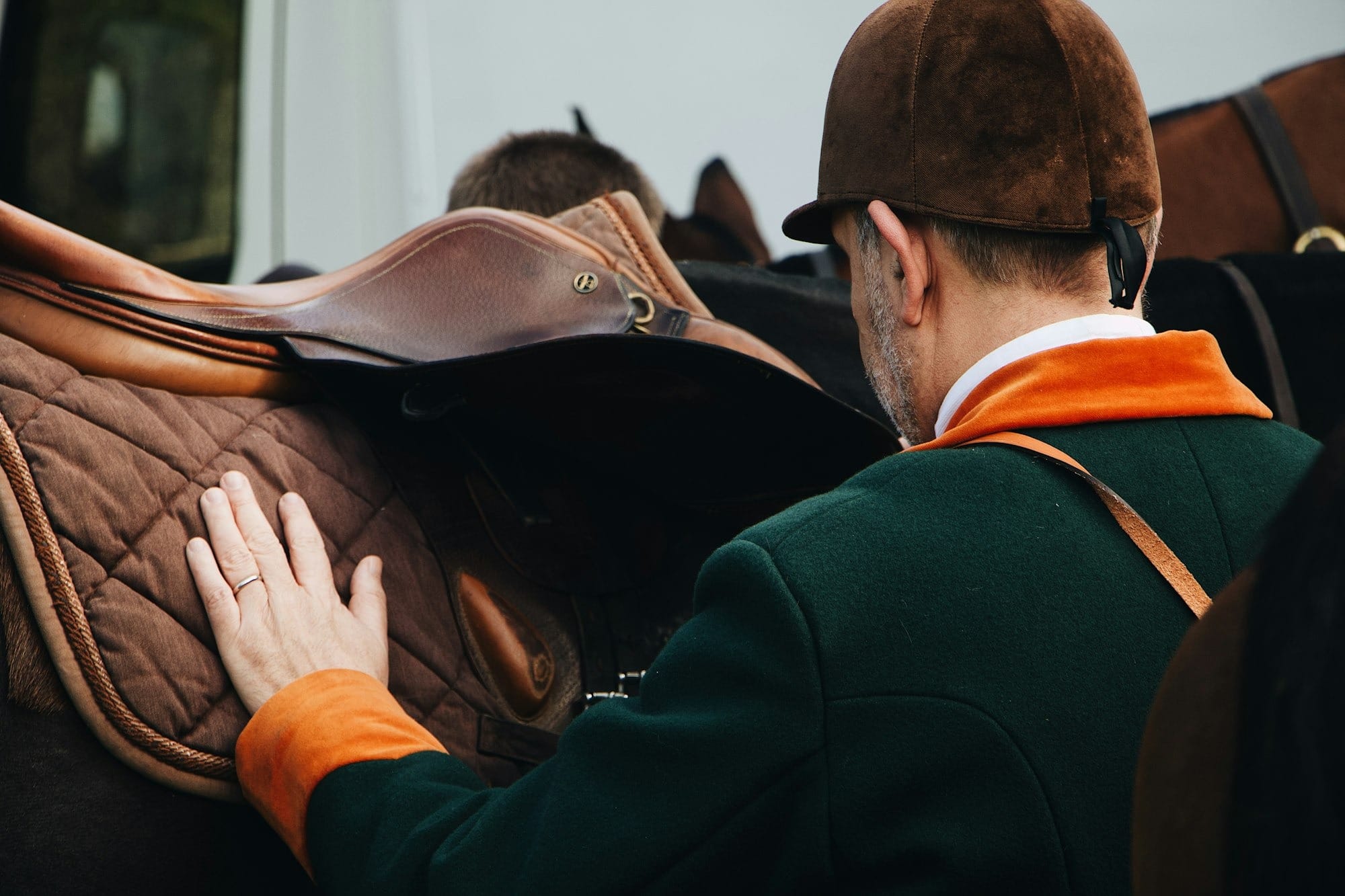
A well-fitted saddle is one of the most important investments you can make for both you and your horse. An English saddle that fits correctly allows your horse to move freely, supports your balance, and prevents pain or injury. On the other hand, a poor fit can cause sore backs, behavioral problems, and even long-term damage.
Saddle fitting may seem overwhelming at first. There are so many styles, brands, and measurements to consider. But with some clear steps and a careful eye, you can evaluate whether a saddle is truly right for your horse and for you.
Start with the Horse’s Conformation
Every horse’s back is different. Some have high withers, some are round and flat, others have prominent shoulders. Before even placing a saddle, spend a few minutes studying your horse’s topline. Understanding his shape will guide you toward saddles that naturally suit him.
If your horse has high withers, you’ll likely need a saddle with a deeper panel and more clearance. A wide, flat-backed horse may require broader panels and a wider tree. Horses with well-defined shoulders need saddles that allow freedom of movement in that area, otherwise the saddle can pinch or shift.
Tree Width and Gullet Clearance
The tree is the framework of the saddle and one of the most critical points of fit. If the tree is too narrow, it pinches the withers and traps the shoulders. If it is too wide, the saddle will drop down and rest on the spine. Neither is comfortable for your horse.
Place the saddle gently on your horse’s back without a pad or girth. Look at how it sits just behind the withers. There should be 2 to 3 fingers of clearance between the pommel and the withers when you apply light pressure in the seat. If there is no clearance, the tree is too wide. If the saddle perches up high and tips backward, the tree is too narrow.
The gullet should also allow space for the spine. As you run your hand underneath, there should be even clearance along the entire length of the spine so the saddle does not press down directly.
Panel Contact and Balance
Once the tree width looks appropriate, check the panels. Panels should make even contact along the horse’s back from front to rear. Gaps in contact can create pressure points, while rocking or bridging means the weight of the rider will not be distributed evenly.
Look at the balance of the saddle from the side. The deepest part of the seat should be level, not tipped forward or backward. A forward-tipped saddle pushes the rider onto the horse’s shoulders, while a saddle that tips back puts pressure behind the withers and forces the rider into a chair seat.
A well-balanced saddle allows the rider to sit in alignment and the horse to move without restriction.
Shoulder Freedom
The shoulders are one of the most important areas to check. Place your hand under the front of the saddle and ask someone to walk your horse forward. You should feel the shoulder blade moving freely under the panel. If the saddle digs into the shoulder or restricts that movement, your horse may shorten his stride, resist turning, or show reluctance to go forward.
A properly fitted saddle should sit behind the shoulder and allow it to glide underneath with every step.
The Rider’s Fit
A saddle must fit the rider just as much as the horse. Sit in the saddle and check that you have one hand’s width behind your seat before the cantle. Too small a saddle will feel cramped, while too large will leave you swimming and unbalanced.
The flap length should also complement your leg. Jumping riders usually prefer a forward flap that accommodates a shorter stirrup, while dressage riders need a longer, straighter flap for their leg position. The right fit helps you maintain a natural, effective position without struggling against the saddle.
The Moving Test
Saddles can sometimes look perfect while standing still but reveal problems once the horse is in motion. Always test ride in the saddle before making a decision. As you walk, trot, and canter, notice how the saddle feels under you and how your horse responds.
Watch for signs of discomfort in your horse such as pinned ears, swishing tail, hollowing the back, or resistance to move forward. From the ground, have someone watch whether the saddle shifts side to side, bounces, or slides back. A good saddle will stay stable and allow your horse to use his back freely.
Pads and Adjustments
Even with a well-fitted saddle, some horses need small adjustments. Pads can help fine-tune fit, especially if a horse is growing, changing condition, or unevenly muscled. Shims can fill in gaps for horses with asymmetry, and riser pads can temporarily balance a saddle that tips slightly forward or back.
However, pads should not be used to make an ill-fitting saddle “work.” If the tree is too narrow or too wide, no amount of padding will fix the problem. Think of pads as a finishing tool, not a solution to major issues.
When to Call a Professional
Sometimes, even after doing all these checks, you may not feel confident. That is when a professional saddle fitter becomes invaluable. Saddle fitters are trained to assess both horse and rider, and many bring a wide selection of saddles to test. They can also adjust wool flocking or recommend tree widths that better suit your horse.
If your horse is showing chronic soreness, refusing jumps, or developing white hairs under the saddle area, these are strong signs that you need expert help. An investment in professional fitting can save money in the long run by preventing injury and keeping your horse comfortable.
Final Thoughts
Fitting an English saddle is part science and part art. It requires careful observation, an understanding of your horse’s conformation, and attention to both horse and rider. A well-fitted saddle should look balanced on the horse’s back, provide clearance for the withers and spine, make even contact with the panels, and allow freedom of the shoulders. Most importantly, it should leave your horse moving freely and happily.
At TurnoutHQ, we know how much riders care about their horses’ comfort. That is why learning the basics of saddle fit is such an empowering skill. When you can recognize what a good fit looks like, you can make smarter choices, ask the right questions, and build a better partnership with your horse. Because at the end of the day, the right saddle is not just about appearances in the show ring. It is about harmony, health, and the joy of riding together.