
Fire Safety in Horse Barns: A Horse-Savvy Guide for Every Barn Owner
There’s nothing cozier than a quiet barn at sunrise. But fire can change everything in a flash. The good news? Most barn fires are preventable. Here’s your practical, barn-tested guide to keeping your horses and their happy place safe.

There’s something special about a quiet barn in the early morning. Horses happily munching hay, sunlight sneaking through the windows, that peaceful routine that is worth protecting.
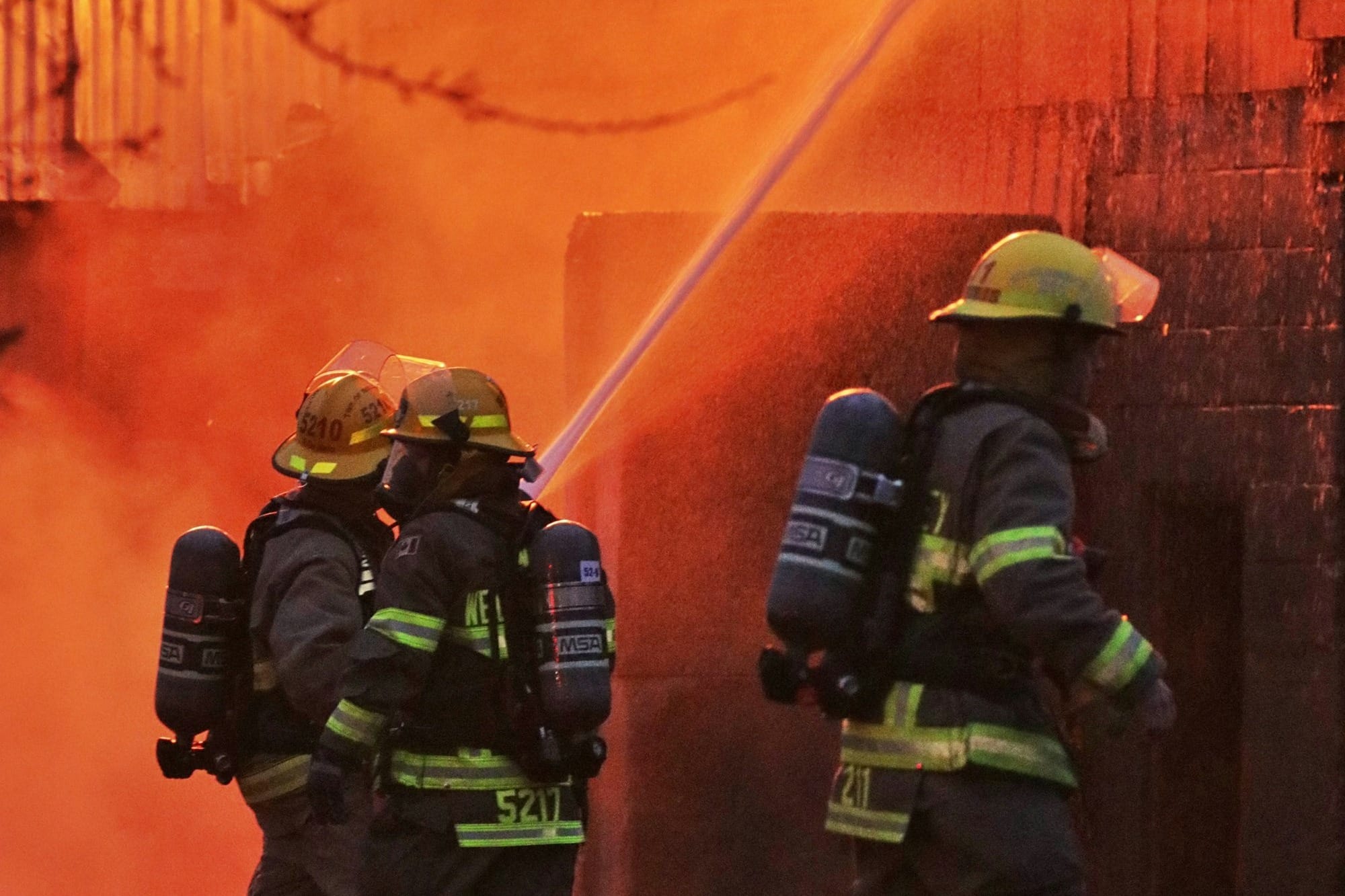
Barns, however, come with a unique risk. Fire can spread fast and cause heartbreaking & catastrophic damage. The good news? Most barn fires are preventable with smart planning, good habits, and a little good old-fashioned horse sense.
Let’s walk through practical, barn-tested ways to keep your horses and your barn safe.
Prevention Is Your Best Defense
Once a barn fire starts, it can move faster than a loose horse at feeding time. According to NFPA (National Fire Protection Association) 150, prevention is the most important part of fire safety in animal housing.
Start here:
- Follow local building codes when building or renovating. Be sure to research regulations specifically for barns and ag buildings!
- No Smoking! Post signs!
- Keep electrical systems updated and inspected by licensed professionals. Plan to have all wires in conduit so they cannot be chewed by horses or rodents.
- Store fuel, machinery, and paint/combustible fluids far away from barns.
- Stay on top of housekeeping. Dust, cobwebs, and clutter burn quickly.A clean, well-maintained barn is a safer barn. Simple habits go a long way.
- Consider a sprinkler system designed for ag buildings and an alarm that will ring the fire department automatically in the event that no one is home.
Fire Extinguishers Only Help If People Know How to Use Them
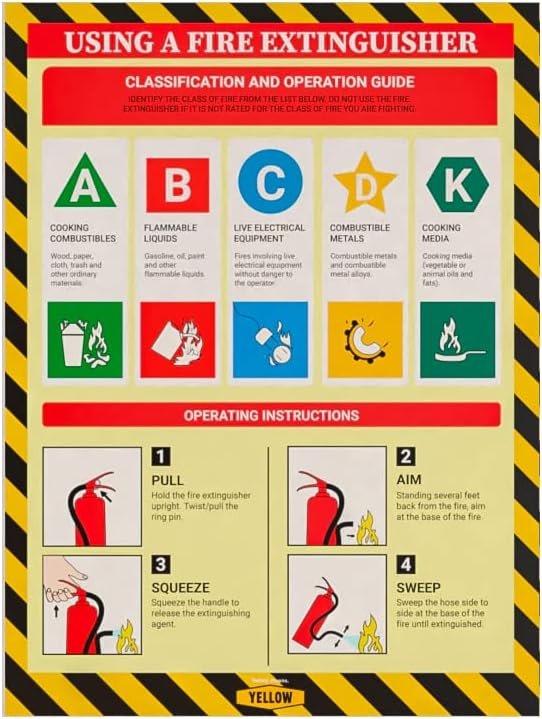
Every barn should have fire extinguishers placed where they matter most; at entrances/exits, near electrical panels, close to hay storage and any other areas of high risk.
For most barns, ABC multi-purpose extinguishers are the go-to choice since they handle common fire types like wood, grease, and electrical issues.
Even more important than placement is training. Everyone who spends time in the barn should know how to use an extinguisher calmly and correctly. A little practice now can make a huge difference in an emergency.
Can Fire Trucks Get to Your Barn?
It sounds obvious, but it’s often overlooked. Firefighters can’t help if they can’t reach you.
Make sure:
- Driveways are wide enough for emergency vehicles.
- Gates open easily and aren’t blocked or chained shut.
- Snow, mud, or brush isn’t in the way.
- Consider adding an extra water source on the property that they can easily access, like a pond.
A few minutes of driveway maintenance could save lives.
Hay Storage Deserves Serious Attention
Let’s talk about the big, dry, fluffy elephant in the room. Hay.
Improperly stored hay is one of the leading causes of barn fires. If hay is baled or stacked with too much moisture, internal temperatures can rise and cause spontaneous combustion.
Best practices include:
- Storing hay in a separate building whenever possible.
- Checking moisture levels before stacking.
- Allowing good airflow around hay stacks.
- Keeping hay away from electrical panels, lights and equipment.
- Use fire retardant materials when building hay storage areas.
- Have a water source near the hay, even if only there for emergency purposes.
Keeping hay stored safely protects your barn.
Have a Fire Plan and Practice It
In an emergency, there’s no time to figure things out on the fly. Everyone will want to save the horses, but they should only enter the barn if it is safe to do so!
A solid barn fire plan should include:
- Clear evacuation routes - envision the fire evacuation map you see on the back of hotel room doors and make one for your barn with multiple exits marked for each stall. Some people place geriatric horses or young horses that may not lead as well in stalls closer to exits for easier evacuation.
- Halters and lead ropes at every stall.
- Emergency contact numbers posted clearly.
- A safe meeting point away from the barn.
- Assigned roles for calling 911, opening gates, and handling horses.
- A relationship with your local fire department and an invitation for them to come to your barn to see the layout and learn about horse handling.
Practice matters. Horses can be hesitant to leave stalls during stressful situations. Calm, familiar drills make real emergencies safer for everyone. Horses may need to be blindfolded or backed out of stalls/down aisles to exit a burning barn. Once all horses and humans are out, close barn doors and windows if safe to do so. Fire needs 02 to burn.
Electrical Safety Matters More Than You Think
Electrical issues are one of the top causes of barn fires.
Protect your barn by:
- Using sealed, dust-proof fixtures designed for barns.
- Avoiding extension cords and household fans. Use only closed motor fans.
- Unplugging heated buckets and space heaters when unattended.
- Scheduling annual inspections with a licensed electrician.
If it buzzes, flickers, or looks questionable, it doesn’t belong in your barn.
Fire Safety Is an Act of Barn Love
Fire safety isn’t about fear. It’s about stewardship.
It’s about protecting the horses who rely on us and the barns that feel like home. With thoughtful planning, routine maintenance, and a clear fire plan, you can create a calmer, safer environment for everyone on your farm.
Because taking care of horses also means taking care of the spaces they live in.
Sources:
- NFPA 150: Standard on Fire and Life Safety in Animal Housing Facilities
- Humane Society of the United States: Barn Fire Safety Recommendations