
Finding the Right Riding Instructor: A Guide for Equestrians
A great riding instructor can build your confidence and skills. The wrong one? Not so much. Here's how to find a coach who matches your goals, puts safety first, and treats horses with the respect they deserve. Your perfect match might be closer than you think.

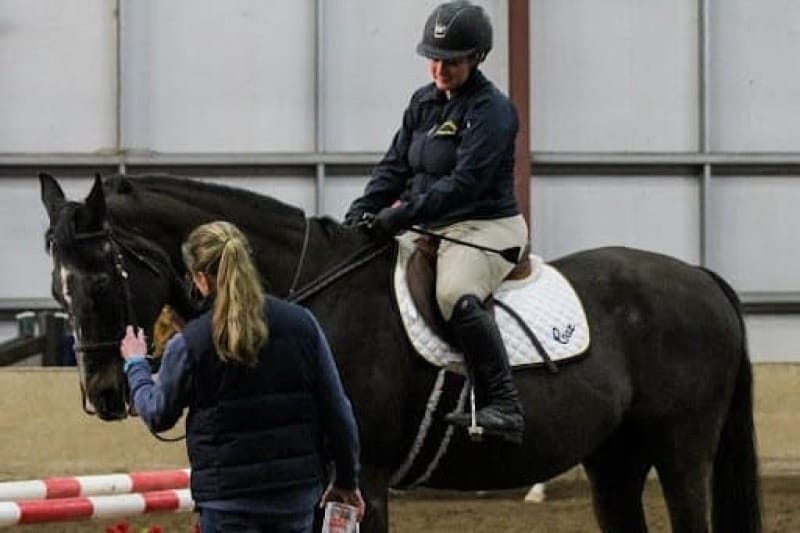
Choosing a riding instructor is a little like choosing a farrier or a vet. The right one can help you and your horse thrive. The wrong one can leave you frustrated, confused, or even unsafe. Whether you’re a brand-new rider or looking to level up, finding an instructor who truly fits your goals and values is worth the time and thought.
So how do you know when you’ve found “the one”? Let’s break it down.
Start With Your Goals (Not Someone Else’s)
Before you start calling barns or scrolling social media, get clear on what you want.
Are you hoping to:
- Learn the basics and build confidence
- Compete at local or rated shows; qualify for year end finals
- Improve your horsemanship and horse care knowledge
- Ride for fun, fitness, or relaxation
Credible organizations like the American Riding Instructors Association (ARIA) emphasize that effective instruction begins with aligning teaching methods to a rider’s goals, experience level, and learning style. An instructor who specializes in young jumpers may not be the best fit for an adult amateur who just wants quiet, correct flatwork.
Check Credentials, But Look Beyond the Letters
Certifications matter. They show that an instructor has met established standards for safety, horsemanship, and teaching skills. Well-recognized programs include:
- ARIA instructor certification
- United States Pony Clubs (USPC) teaching standards
- Discipline-specific programs through USEF or USDF-affiliated organizations
That said, certification alone does not guarantee a great instructor. The United States Equestrian Federation (USEF) notes that effective coaches combine technical knowledge with communication skills, professionalism, and an understanding of horse welfare.
Ask questions. How do they continue their education? Do they work with veterinarians and farriers? Are they open to learning and evolving? How many years of experience do they have? Is safety a priority?
Safety Should Be Non-Negotiable
A good instructor prioritizes safety for both horse and rider, every single lesson.
According to guidance from PATH International, which sets standards for equine-assisted activities and instruction, safety includes:
- Appropriate tack and helmet use
- Horses matched thoughtfully to rider ability
- Clear arena rules and structured lessons
- Immediate attention to unsafe behavior or situations
If an instructor regularly dismisses safety concerns or pressures riders to do things they are not ready for, that is a red flag you should trust. Also, be sure they have the appropriate liability insurance.
Watch How They Treat Horses
One of the best ways to evaluate an instructor is to observe their program when they are not teaching you directly.
Look for:
- Horses that appear healthy, calm, and well cared for
- Training methods that emphasize clarity and fairness
- Respectful handling from staff and students
USEF and ARIA both stress that ethical instruction places horse welfare at the center. An instructor’s philosophy about training and care should align with your own values. If something feels off, it probably is.
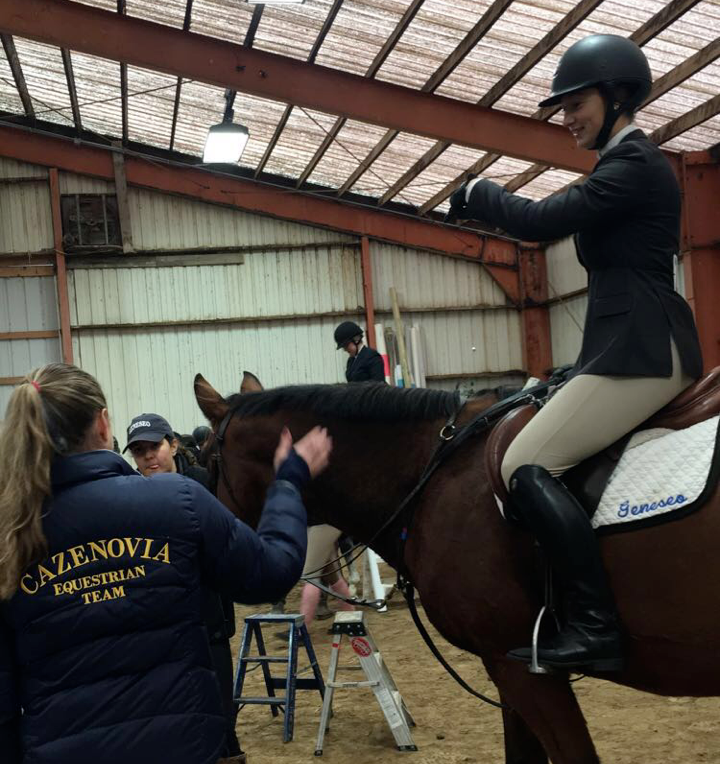
Communication Style Matters More Than You Think
Great instructors are not just skilled riders. They are skilled communicators.
A good instructor should:
- Explain the why, not just the what
- Adjust their teaching style to different learners
- Offer constructive feedback without belittling
- Encourage questions and curiosity
ARIA highlights that effective instruction builds confidence and understanding, not fear or dependence. You should leave lessons feeling challenged, but also supported and motivated.
Ask for a Trial Lesson and References
Before committing long term, take a trial lesson. Pay attention to how the instructor:
- Structures the lesson
- Gives feedback
- Interacts with both you and the horse
- Handles mistakes
It is also completely appropriate to ask for references from current or former students. Hearing firsthand experiences can give you valuable insight into consistency, professionalism, and long-term student development.
Trust Your Instincts
At the end of the day, the right instructor is someone you trust. Someone who listens, communicates clearly, and genuinely cares about your progress and your horse’s well-being.
If you feel heard, respected, and excited to come back to the barn, you are likely on the right track.
Final Thoughts
Finding the right riding instructor is an investment in your equestrian journey. Take your time, ask questions, and remember that the best programs are built on education, safety, and a shared love of horses.
When you find an instructor who supports your goals and your values, the partnership can be truly transformative.
For more discussion on instructors and coaches, join the community on TurnoutHQ!
Sources
- American Riding Instructors Association (ARIA), Instructor Certification Standards and Teaching Principles
- United States Equestrian Federation (USEF), Coaching Ethics and Athlete Development Resources
- PATH International, Standards for Safety and Equine Welfare in Instruction