
Choosing the Right Hay for Your Horse
Hay might seem simple, but for your horse, it’s a big deal. Choosing the right type and quality of hay plays a major role in their health, energy, and happiness. Whether you're stocking up for winter or tweaking a feeding plan, here’s what to know when picking hay that truly supports your horse.

Hay may just look like dried grass bundled into neat bales, but for horses, it’s the cornerstone of nutrition. The quality, type, and consistency of hay directly affect digestion, weight, energy, and overall health. As Kentucky Equine Research (KER) explains, selecting hay should be a thoughtful process that balances nutrition, cleanliness, and practicality. A horse’s diet may include grain, supplements, or pasture, but hay remains the heart of it all.
Understanding Hay Types
Hay is generally divided into three main categories: grass, legume, and mixed. Grass hays include timothy, orchard grass, brome, bermuda grass, and fescue which tend to be lower in protein and calories. Legume hays such as alfalfa or clover are richer in protein, calcium, and energy. Mixed hays blend the two, offering a middle ground in nutrient content.
For most adult horses in light or moderate work, good-quality grass hay is perfectly adequate. Legume hays, while highly nutritious, can be too energy-dense for horses prone to weight gain or metabolic issues. The right choice depends on the individual; a young, growing horse or a lactating mare has very different needs than a semi-retired gelding on turnout. Matching hay type to workload and metabolism is the foundation of sound feeding.
Quality Above All
No matter the type, hay quality is always the top priority. Even nutrient-rich hay loses value if it’s dusty, moldy, or coarse. Poor-quality hay can cause respiratory irritation, digestive upset, and reduced appetite.
When evaluating hay, use your senses. It should smell clean and slightly sweet, not musty or sharp. The color should be light to medium green, signaling proper curing. A good bale feels soft and pliable rather than brittle, and you should see more leaves than stems when you break it open. Leafy hay delivers higher nutrition since most of the protein and digestible fiber are in the leaves.
KER emphasizes that overly mature or late-cut hay tends to be stemmy and low in nutrients. The difference between early-cut and late-cut hay can be dramatic. Early-cut timothy, for example, might be ideal for active horses, while the later cut is more suitable for easy keepers or ponies.
Nutrient Considerations
Beyond appearance, nutrient composition matters. Horses depend on hay for fiber, which keeps the gut moving properly. Grass hays typically have moderate fiber and protein, while legumes are higher in both energy and calcium. Mixed hays vary, but often provide a practical balance.
A forage analysis is the best way to know what’s in your hay. Testing measures protein, fiber, and mineral content, helping you adjust any supplements or concentrate feeds. For instance, if your hay tests low in calcium or phosphorus, your nutritionist can suggest balancing options to prevent long-term deficiencies.
Matching Hay to Your Horse
Every horse is different, and so is every hay crop. A sleek show horse in moderate training needs different fuel than an older retiree who spends most of the day grazing.
For easy keepers or horses that gain weight quickly, a mid-maturity grass hay provides enough energy without excessive calories. On the other hand, horses with higher energy demands benefit from the additional protein and energy found in alfalfa or a legume-grass mix.
Seasonal changes also play a role. In winter, when horses burn more calories to stay warm, you may need to increase hay intake slightly or switch to a more nutrient-dense type. In summer, when pastures are abundant, hay can be reduced or used to supplement dry forage periods.
Some horses are also notoriously picky so despite the quality of the hay, they may decide they don’t like it!
Storage and Handling
The way hay is stored and handled affects its longevity and quality. Exposure to moisture or sunlight can degrade nutrients quickly. Store hay in a clean, dry area with good air circulation. If possible, elevate bales off the ground on pallets to prevent moisture absorption.
Feeding method matters, too. Using hay nets, racks, or feeders reduces waste by preventing horses from trampling or soiling the forage. Research suggests that using a feeder can cut hay waste by as much as 20 percent. Keeping feeding areas clean also discourages mold and pests.
Evaluating Cost and Consistency
When buying hay, price per bale can be misleading since bale weights vary widely. It’s better to compare cost per ton or per pound of usable hay. A lighter bale may appear cheaper but offer less forage overall.
Buying in bulk from a reliable source ensures consistency, horses thrive on routine, and sudden hay changes can disrupt digestion. If you need to change hay sources, transition gradually over seven to ten days by mixing small amounts of the new hay with the old.
Geographic area also plays a big role in the cost of hay. A $6.00 bale of hay in upstate NY might cost $25.00 in FL!
Testing your Hay
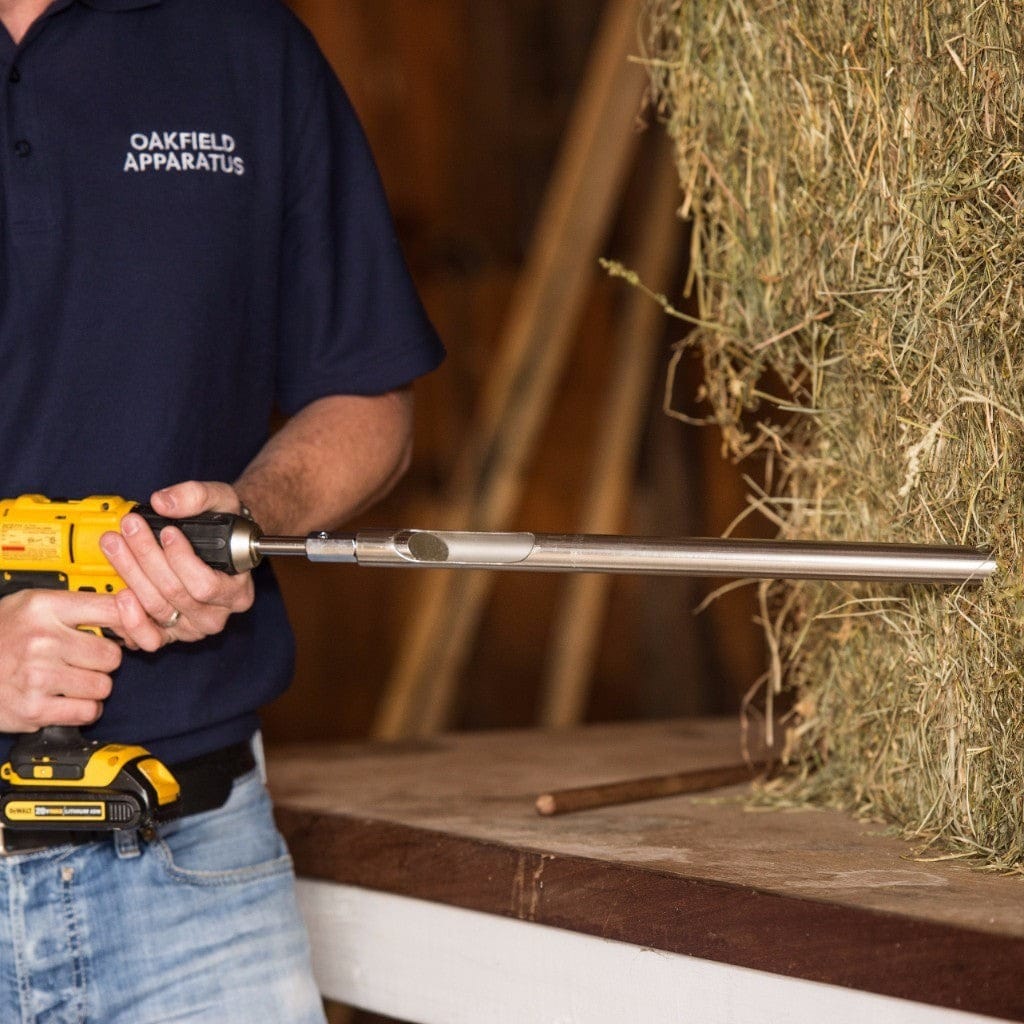
The only way to know exactly what is in your hay is to get it tested. This is inexpensive and easily done, and also very important if you need to monitor the sugar content for insulin resistant or laminitis prone horses. Many horse owners test their hay regularly and work with a nutritionist to balance the rest of their horse’s diet based on the results. You can purchase (or borrow) a hay probe and sample about 10 bales from each load. You then send the sample in to a forage lab such as Dairy One (Dairy One) and usually get results back within a few days.
Monitoring Your Horse
The best gauge of whether your hay program works is your horse’s body condition. Regularly assess weight, coat quality, and energy levels. A shiny coat and steady energy suggest your forage is on target. Conversely, dullness, weight loss, or digestive upset signal that something may be off.
Horses should generally consume 1.5 to 2 percent of their body weight in forage daily, though this can vary by metabolism and workload. A 1,100-pound horse, for example, should eat roughly 16 to 22 pounds of hay per day. Adjust gradually based on condition and activity.
The Heart of Horse Health
Hay is more than feed — it’s the foundation of your horse’s digestive health and daily routine. The right forage keeps the gut active, prevents boredom, and supports a calm, content temperament. A horse that spends much of its day happily chewing hay is a healthy horse.
Selecting hay with care isn’t just about convenience or cost; it’s about investing in your horse’s long-term wellness. As the team at Kentucky Equine Research notes, making informed forage choices can prevent a host of health issues and reduce reliance on costly supplements.
When you take the time to evaluate, store, and feed hay properly, you’re not just managing feed, you’re building the cornerstone of your horse’s entire wellbeing. Join the conversation on TurnoutHQ to discuss hay and more!
Sources
Kentucky Equine Research. “Hay Selection for Horses.” KER Equinews. https://ker.com/equinews/hay-selection-for-horses
University of Kentucky Forage Extension. “Choosing Hay for Horses.” UK College of Agriculture, Food and Environment.
National Research Council. Nutrient Requirements of Horses, Sixth Edition.
Horse Journals. “Evaluating Hay Quality for Horses.”
Progressive Nutrition. “Hay Basics: Forage Quality and Feeding Guidelines.”