
Blanketing Basics: How to Keep Your Horse Healthy & Happy
Ever wondered what the basics of blanketing are? Keep your horse warm and healthy this winter with some tips and tricks.

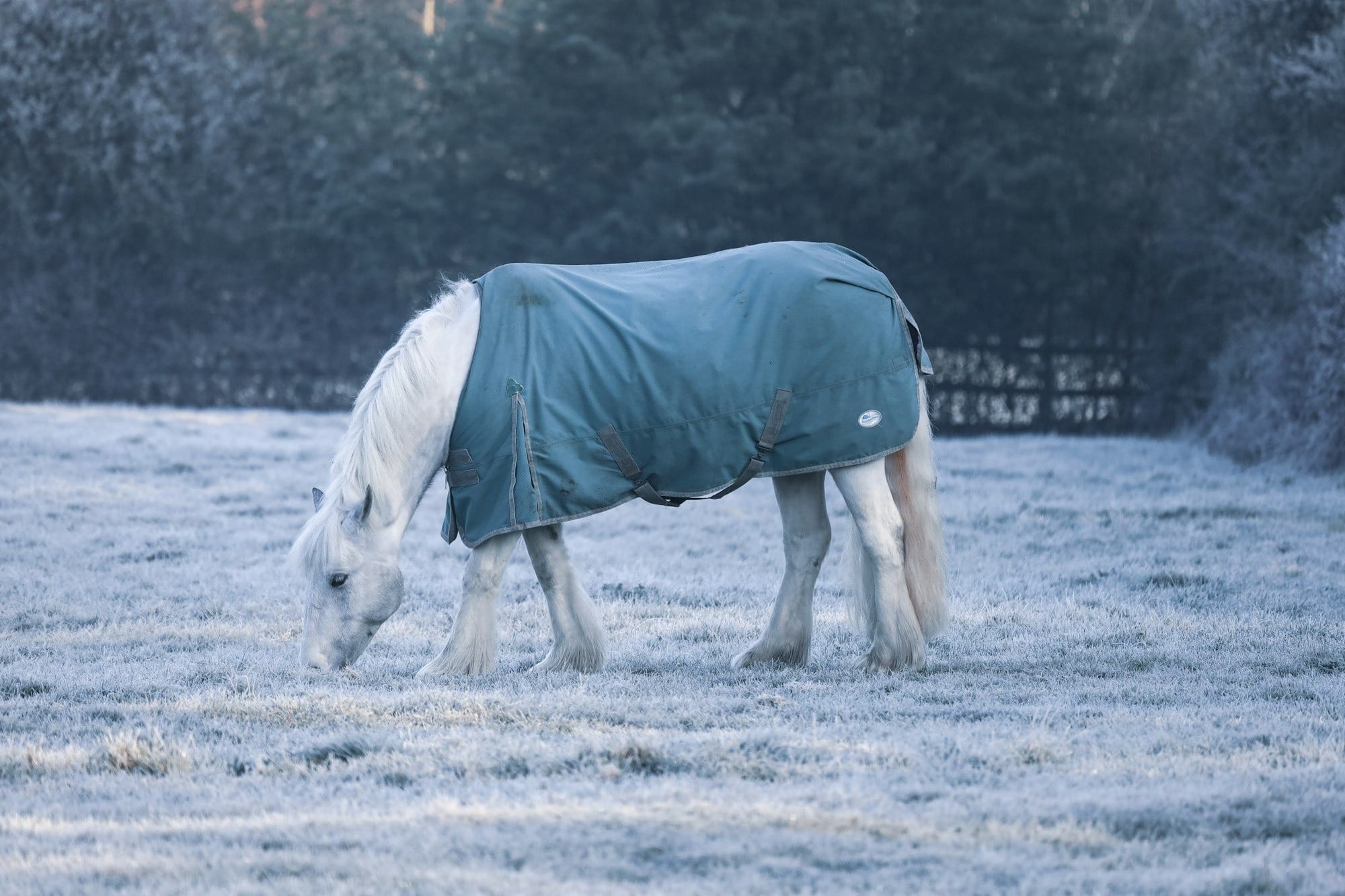
Blanketing is one of those topics every horse owner eventually faces, especially when temperatures start to dip and coats begin to grow. It sounds simple, just toss on a blanket when it gets cold, but any experienced horseperson knows there’s far more nuance involved. Whether you board in a snowy northern barn or turn out horses on a breezy coastal plain, the decision to blanket depends on many factors: coat type, climate, body condition, and even personality.
At THQ, we believe in helping riders make informed choices that support both comfort and well-being. So, let’s explore how horses stay warm naturally, when a blanket might be beneficial, how to find the right fit, and how to care for that investment so it keeps performing season after season.
How Horses Stay Warm on Their Own
Horses are naturally well-equipped to handle cooler weather. As daylight shortens in fall, their bodies respond by growing a dense winter coat that acts like a built-in down jacket. The hair lifts slightly to trap air and create a layer of insulation, and their digestive system helps, too, fermenting hay and forage in the hindgut generates internal heat. (Side note: Donkey’s coats are not the same as horses and they are much more sensitive to cold and wet conditions, so they will need blankets on days where their horse friends may not!)
However, every horse has its limit. Once the air temperature drops below what’s called the lower critical temperature (the point where the horse has to work harder to maintain body heat), the body begins burning extra calories just to stay warm. That’s when blanketing can step in to conserve energy, maintain weight, and prevent shivering.
Not all horses reach that point at the same time. A sleek-coated Thoroughbred might need a layer long before a fuzzy pony does. Observing your horse’s comfort level is often more telling than the number on the thermometer.
When to Blanket and When to Skip It
Blanketing isn’t about following a strict chart, it’s about understanding your individual horse.
An older horse with a slower metabolism, a clipped show horse, or one who struggles to maintain weight may benefit from blanketing earlier in the season. Horses that live outdoors without shelter will also appreciate waterproof protection when the weather turns wet or windy.
On the other hand, a young, healthy, unclipped horse with plenty of forage and shelter may do just fine without any blanket at all, even in chilly weather. Their coats and metabolism often provide all the warmth they need.
One general rule: always have at least one properly fitted blanket available, even if your horse rarely wears one. Sudden cold fronts, icy rain, or travel to different climates can make that spare blanket a day-saver.
Understanding the Different Types of Blankets
There’s a big difference between a turnout blanket, a stable blanket, and a sheet—and knowing which is which helps you choose the right protection for your horse’s lifestyle.
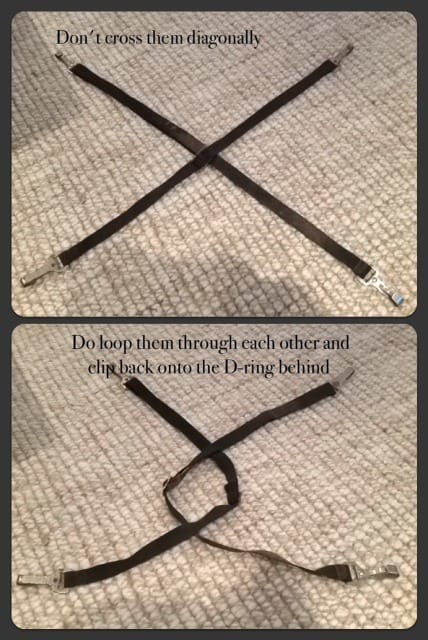
- Turnout blankets and sheets are designed for outdoor use. They’re waterproof, breathable, and built to handle the rough-and-tumble of pasture life. Turnout blankets include insulation (called “fill”), while turnout sheets are lightweight and mainly used for wind and rain protection. They also often have leg straps.
- Stable blankets and sheets are meant for indoor use. They’re not waterproof but tend to be softer and cozier for horses kept in stalls.
Warmth depends largely on the amount of fill, which is measured in grams. A lightweight blanket might have minimal fill for cool fall days (50-150g), while a medium or heavy blanket will offer more insulation for freezing weather (200-450g). Durability comes from the outer fabric’s “denier” rating—higher numbers mean tougher material (100D, 2000D, etc.), ideal for horses who love to roll, rub, or play hard.
Ultimately, the best choice balances your horse’s needs with their environment. A clipped competition horse might rotate through several blankets in a week, while a hardy trail companion may need only one turnout sheet all winter.
How to Measure for the Right Fit
A well-fitted blanket is as important as the blanket itself. Too tight and it can rub shoulders, withers, or hips; too loose and it may slip, twist, or catch a hoof in a strap.
To measure accurately, use a flexible tape and start at the center of your horse’s chest. Run it along the side of the body, following the curve over the shoulder, barrel, and flank, stopping at the point where the tail begins. The number of inches gives you your horse’s blanket size. Blanket brands do run a little different from one to the next, just like our clothes!
Once you try it on, check for the following:
- The front closure should rest smoothly on the chest, not pull or gape.
- The blanket should sit just in front of the withers and lie flat without pressure points.
- You should be able to fit one hand comfortably between the blanket and your horse’s body.
- The length should fully cover the barrel but not hang so long it restricts movement.
Different brands may fit differently—some are cut for broader shoulders or higher withers—so don’t be afraid to experiment until you find your horse’s ideal shape. Comfort equals safety, and a well-fitted blanket lets your horse move freely while staying warm.
Choosing Warmth by Temperature and Condition
There’s no universal formula for when to blanket, but certain patterns can help. A clipped or thin-coated horse generally needs a bit more coverage. When temperatures drop into the 40s °F, a light or medium blanket may be enough; in the 30s, a medium or heavy one is often appropriate. Below 20 °F, most horses will appreciate heavier insulation, especially in wind or damp conditions.
Unclipped horses with thick coats can tolerate colder temperatures but may still need a light waterproof layer in rain or sleet. Remember, wet hair loses its insulating power, so keeping your horse dry is often as important as keeping them warm.
The key is flexibility. Blanketing is not a set-it-and-forget-it routine—it’s a constant dialogue with the weather and your horse’s needs. Check under the blanket regularly to make sure your horse isn’t sweating or chilled. Adjust as needed, and don’t be afraid to layer lighter pieces if that works best for your barn’s climate.
Blanket Care and Storage Tips
A good blanket is an investment, and taking care of it will make it last for years. Brush off dried mud and hair regularly, and wash the blanket when it starts to lose its waterproofing or gets visibly dirty. Always follow manufacturer instructions—many recommend cold water and mild soap. Hang to dry rather than machine drying, since high heat can damage the waterproof coating.
After the season ends, repair any tears, replace missing hardware, and apply a waterproofing treatment if needed. Store clean, dry blankets in sealed bins or bags to prevent mold and mice from making themselves at home. If your barn has space, hanging racks or labeled bins keep everything tidy and ready for next winter.
The THQ Takeaway
Blanketing is both an art and a science. It’s about understanding your horse’s natural defenses, monitoring their comfort, and choosing gear that complements, not replaces, their own ability to regulate temperature.
At THQ, we see blanketing as another way to strengthen the bond between horse and rider. Every time you check straps, adjust layers, or swap a sheet for a heavier cover, you’re tuning in to your horse’s well-being. That awareness builds trust, and trust is what great horsemanship is all about.
So this winter, take a moment to really look at your horse. Feel their coat, watch their body language, and let their comfort guide your choices. The right blanket, used thoughtfully, keeps your partner warm, healthy, and ready no matter what the weather brings.