
9 Practical Barn Organization Ideas
Barn chaos got you chasing halters and digging for lost brushes? We’ve been there. These 9 smart, doable organization ideas will help you tame the mess, save time, and create a barn that’s safer, tidier, and way more enjoyable to work in. Let’s get organized.

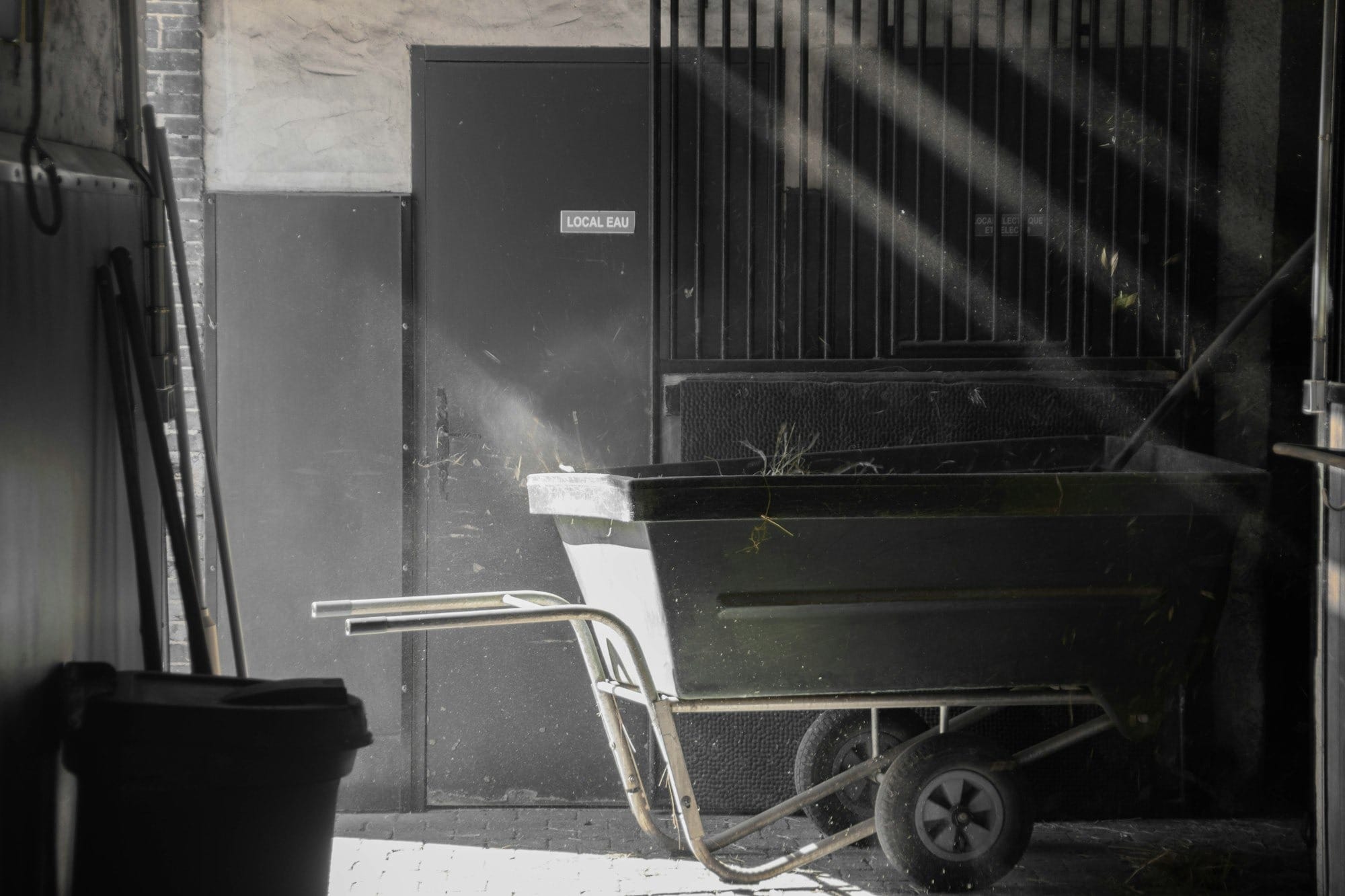
Keeping a barn organized is one of those ongoing challenges every horse owner understands. No matter how big or small your facility is, tack piles up, blankets migrate, grooming tools wander off, and before long it feels like you spend more time searching for things than actually riding. The good news? With a few smart systems, your barn can stay tidy, efficient, and safer for both humans and horses.
Whether you manage a busy boarding barn or your own backyard setup, these nine practical organization ideas will help streamline your routine, protect your gear, and create a space that simply feels better to work in.
1. Create Dedicated Zones for Daily Tasks
A functional barn starts with flow. Group items by what you use them for and where you use them. For example:
- Grooming tools near grooming stalls
- Feed supplements near the feed room
- Tack and training equipment near the arena
Mapping out zones reduces unnecessary walking and helps everyone know exactly where items belong. Labeling each area (and the bins within them) also keeps the system consistent, especially if multiple people help care for your horse.
2. Use Clear Storage Bins for Visibility
Opaque totes might hide the mess, but they also hide what you need. Clear, stackable bins make it easy to see everything at a glance, especially for seasonal items like fly sheets, winter gloves, or show supplies.
Organize bins by category and label each one clearly. A simple stack labeled “Winter Blankets,” “Show Tack,” “Therapeutic Boots,” or “First Aid Backups” will save huge amounts of time when you are preparing for a show or swapping gear seasonally.
3. Install Wall-Mounted Racks and Hooks
Vertical space is one of the most underused assets in a barn. Walls can easily host saddle racks, halter hooks, bridle racks, broom holders, and pitchfork hangers. This not only keeps floors clear but also prevents equipment from getting damaged.
For even more organization, try:
- A dedicated wall for everyday tack
- A “mud room” area for coats and barn clothes
- Heavy-duty hooks for hanging sweat scrapers, lunge lines, or martingales
Hanging items also improves air circulation, reducing mildew and odor buildup.
4. Give Every Horse Their Own Storage Area
If you board or manage multiple horses, individual storage reduces clutter dramatically. Assign each horse a personal space, whether a small locker, a shelf, or a portion of a tack room wall. Store blankets, grooming kits, boots, halters, and other essentials specifically for that horse.
Not only does this keep items from getting mixed up, but it also makes daily tasks faster. When everything for one horse lives in one place, chores become nearly effortless.
5. Optimize Your Feed Room
Feed rooms can get chaotic fast. To stay organized:
- Store grain in sealed, rodent-proof containers
- Use stacking drawers for supplements
- Keep a scoop in every bin to eliminate cross-contamination
- Post feeding charts on the wall, updated weekly
If you have multiple types of grain, line them up in feeding-order sequence so horses who get similar mixes are grouped together. This reduces mistakes and speeds up feeding time.
6. Create a Blanket Storage System That Actually Works
Blankets are one of the biggest sources of barn clutter. They’re bulky, heavy, and constantly rotating depending on the weather. A good storage strategy might include:
- Wall-mounted blanket bars
- Large labeled bins
- Vacuum-sealed bags for seasonal pieces
- A dedicated drying rack for wet or freshly washed blankets
Keeping blankets organized not only prevents the infamous “pile of rugs in the corner” but also makes it easy to monitor what needs repair or replacement.
7. Organize Your Grooming Supplies
Grooming tools migrate more than any other barn item. To stay organized, invest in:
- Caddies for everyday grooming
- A separate kit for show prep
- A disinfecting station for brushes
A clean, organized grooming area also improves horse health. Regularly washed brushes reduce bacteria, prevent skin irritation, and keep coats healthier. Assign each horse their own set of brushes to avoid spreading fungal infections.
8. Build a Barn “Command Center”
A centralized communication area keeps everyone on the same page. This can be a single wall or an entire corner, but it should include:
- A whiteboard for daily notes
- Emergency contact lists
- Vet and farrier schedules
- Ride times or arena reservation charts
- Important barn rules or reminders
This system prevents miscommunication, especially in larger barns with many riders. It also ensures important information is quick to find during emergencies.
9. Conduct Seasonal Decluttering Sessions
Even the most organized barn accumulates clutter over time. Scheduling a quarterly or seasonal clean-out keeps everything under control. During these sessions:
- Toss expired supplements and medications
- Repair or donate unused tack
- Deep clean the tack room
- Wash and store seasonal blankets
- Re-label bins and reorganize any areas that have gotten messy
This is also a great opportunity to check gear for safety. Loose stitching, worn-out reins, broken snaps, and cracked leather often show up during these clean-out sessions.
Final Thoughts
Simple systems like labeled storage, dedicated zones, clear bins, and regular decluttering can make even the busiest barn feel calm and orderly. Whether you are managing a full training facility or caring for one beloved horse at home, smart organization supports better routines and gives you more time to spend where it matters most: in the saddle.
By staying intentional about your space and continually refining your setup, you create a barn that works with you not against you. THQ is committed to helping equestrians build spaces, routines, and horsemanship practices that elevate the everyday experience, from the first hay net in the morning to the last blanket check at night.